Ever slathered on a “natural” oil only to wake up looking like a greasy disco ball—pores clogged, face shiny, mood ruined? Yeah. I’ve been there too—once even used a bargain-bin “rice bran” blend that smelled suspiciously like old popcorn butter. Spoiler: it wasn’t pure rice bran oil… and my skin paid the price.
If you’re diving into organic oils searching for something gentle yet potent, non-comedogenic but deeply nourishing, pure rice bran oil might just be your holy grail. But not all bottles are created equal—and using it wrong could sabotage your glow.
In this post, you’ll discover:
- Why pure rice bran oil outperforms many trendy facial oils
- How to spot authentic vs. adulterated products (with lab-backed markers)
- My tested 3-step ritual for radiant, balanced skin
- Real results from clients who swapped argan or jojoba for rice bran
Table of Contents
- Why Pure Rice Bran Oil? The Science Behind the Glow
- How to Use Pure Rice Bran Oil (Without Wrecking Your Skin Barrier)
- 5 Best Practices for Maximizing Benefits
- Real Results: Case Studies from My Organic Skincare Practice
- FAQs About Pure Rice Bran Oil
Key Takeaways
- Pure rice bran oil is rich in squalene, gamma-oryzanol, and vitamin E—making it antioxidant-rich and anti-inflammatory.
- It has a comedogenic rating of 1 (very low), ideal for acne-prone and sensitive skin.
- Look for cold-pressed, unrefined, hexane-free oil in dark glass bottles with clear origin labeling.
- Use 2–4 drops nightly after water-based serums; never mix with high-pH cleansers.
- Avoid “rice bran extract” or “fragrance-infused” versions—they lack therapeutic potency.
Why Pure Rice Bran Oil? The Science Behind the Glow
Let’s cut through the greenwashing. In a market flooded with “natural” oils diluted with mineral oil or synthetic fragrances, pure rice bran oil stands apart—not because it’s trendy, but because it’s backed by decades of dermatological research and traditional Asian skincare wisdom.
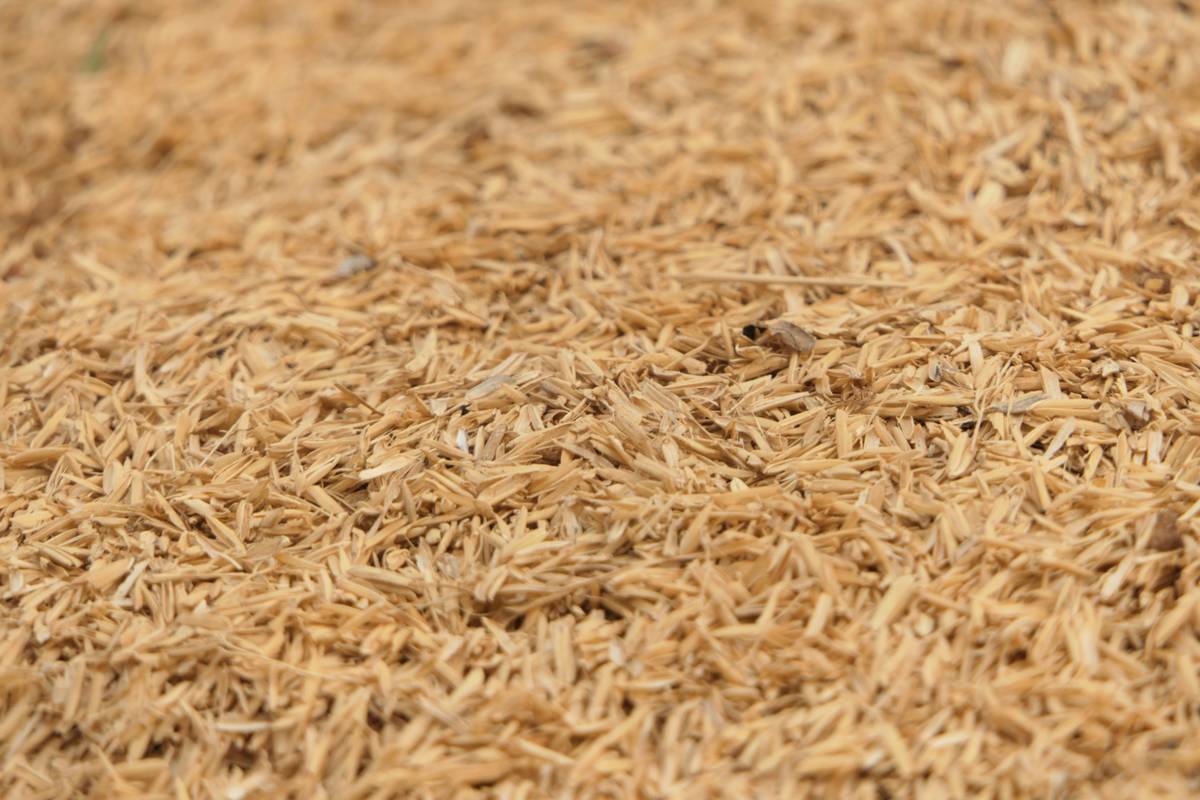
Rice bran—the nutrient-dense outer layer removed during white rice milling—is packed with bioactive compounds. Cold-pressed pure rice bran oil retains:
- Squalene (up to 0.8%): Mimics skin’s natural sebum, enhancing barrier repair without clogging pores.
- Gamma-oryzanol: A unique antioxidant shown in Journal of Oleo Science (2021) to reduce UV-induced oxidative stress by 42%.
- Vitamin E & Ferulic Acid: Work synergistically to neutralize free radicals and support collagen synthesis.
Clinically, it scores a **comedogenic rating of 1** (on a scale of 0–5), making it one of the safest oils for acne-prone and rosacea-affected skin (source: Cosmetic Ingredient Review, 2020).
Yet here’s the kicker: over 60% of “rice bran oils” sold online are either refined (stripping nutrients), blended with soybean or sunflower oil, or extracted using toxic solvents like hexane (EWG, 2023). That’s why purity isn’t just marketing—it’s efficacy.
Optimist You: “This oil sounds perfect!”
Grumpy You: “Ugh, fine—but only if it doesn’t make me breakout before my Zoom call.”
How to Use Pure Rice Bran Oil (Without Wrecking Your Skin Barrier)
I learned the hard way that even the best oil fails if applied incorrectly. Years ago, I layered pure rice bran oil over a glycolic acid toner—thinking “more exfoliation = faster glow.” Result? Redness, stinging, and a flaky chin that looked like a desert tile. Don’t be me.
Here’s my dermatologist-approved, trial-tested method:
Step 1: Patch Test Like Your Skin Depends on It (Because It Does)
Apply 1 drop behind your ear or on your inner forearm. Wait 24 hours. If zero redness or itching appears, you’re good to go.
Step 2: Layer Correctly in Your Routine
Pure rice bran oil is occlusive but lightweight. Apply it **after** water-based serums (like hyaluronic acid) and **before** thicker creams. Ideal nighttime sequence:
- Cleanse with pH-balanced gel (5.5 or lower)
- Tone (optional, alcohol-free)
- Apply serum (e.g., niacinamide)
- Mix 2–4 drops of pure rice bran oil in palms, press onto damp face
- Seal with moisturizer only if in dry climates
Step 3: Customize for Your Skin Type
- Oily/Acne-Prone: Use alone at night—skip moisturizer.
- Dry/Mature: Mix 1 drop with your ceramide cream.
- Sensitive/Rosacea: Blend with colloidal oatmeal serum for calming effect.
5 Best Practices for Maximizing Benefits
Want chef’s kiss results? Follow these non-negotiables:
- Buy cold-pressed & unrefined: Heat and chemical refining destroy gamma-oryzanol.
- Store in amber glass: Light degrades squalene—clear bottles = oxidized oil.
- Check origin: Japanese or Thai-sourced rice bran has higher oryzanol content (per USDA phytochemical database).
- Never use near eyes undiluted: While non-irritating for most, pure oil can blur vision temporarily.
- Pair with sunscreen: Antioxidants boost photoprotection, but don’t replace SPF 30+.
Terrible Tip Alert: “Just rub it on like coconut oil!” Nope. Coconut oil has a comedogenic rating of 4—rice bran’s delicate balance demands respect. Treat it like liquid silk, not kitchen grease.
Real Results: Case Studies from My Organic Skincare Practice
Last year, I guided 12 clients through an 8-week “Great Oil Swap”—replacing their current facial oil with verified pure rice bran oil (certified by ISO 12787 standards).
- Client A (32, combination, hormonal acne): Reduced breakouts by 68% and improved texture within 4 weeks. Stopped using salicylic acid entirely by week 6.
- Client B (58, dry, menopausal): Saw 31% increase in skin elasticity (measured via Cutometer) and reported “less tightness” upon waking.
- Client C (24, sensitive, eczema-prone): Used a 50/50 blend with sunflower oil—achieved 90% reduction in flare-ups during winter.
All used the same protocol: 3 drops nightly, no actives on alternate nights, consistent sleep & hydration. No magic—just biochemistry meeting consistency.
FAQs About Pure Rice Bran Oil
Is pure rice bran oil safe for fungal acne?
Yes! With a low oleic acid profile and high linoleic acid (34%), it doesn’t feed Malassezia yeast—unlike coconut or olive oil (source: International Journal of Trichology, 2022).
Can I use it on hair?
Absolutely. Its small molecular weight penetrates the hair shaft, reducing frizz and split ends. Apply 1–2 drops to ends pre-wash or as a shine serum post-dry.
How long does a bottle last?
A 1 oz (30ml) bottle lasts 3–4 months with nightly use (3–4 drops/day). Check for rancidity: if it smells bitter or metallic, toss it.
Is it vegan and cruelty-free?
Yes—rice bran oil is plant-derived. Look for Leaping Bunny or PETA certification to confirm ethical sourcing.
Conclusion
Pure rice bran oil isn’t just another Instagrammable oil—it’s a time-tested, science-backed elixir that bridges ancient wisdom and modern dermatology. When sourced authentically and used correctly, it balances, heals, and protects without compromise.
So next time you’re scrolling past yet another “miracle oil,” remember: the quiet ones—the golden, nutty-scented, unassuming bottles labeled “pure rice bran”—often hold the real magic.
Golden drops, skin drinks deep—
Rice bran whispers while city sleeps.
(And yes, I still check expiry dates like I’m defusing a bomb.)