Ever slathered on a $60 “miracle” serum only to wake up with the same dullness, fine lines, and irritation? Yeah. Me too—until I stopped chasing lab-made promises and rediscovered what grandmothers in Oman have known for millennia: frankincense essence isn’t just spiritual incense—it’s skincare gold.
In this deep dive, you’ll discover why frankincense essence is having a renaissance in clean beauty, how to choose a truly pure oil (spoiler: most are diluted), and exactly how to use it for glowing, resilient skin—without breaking out or wasting cash. We’ll bust myths, share lab-backed benefits, and even reveal my own rookie mistake that left my face looking like a desert cracked in July.
Table of Contents
- Why Does Frankincense Essence Matter in Organic Skincare?
- How to Use Frankincense Essence Safely & Effectively
- 5 Best Practices for Maximum Results
- Real People, Real Results: Case Studies
- Frankincense Essence FAQs
Key Takeaways
- Frankincense essence (from Boswellia sacra or Boswellia carterii) contains boswellic acids with proven anti-inflammatory and anti-aging properties.
- Not all “frankincense oil” is equal—look for GC/MS reports and cold-steam distillation from ethical harvesters in Somalia, Oman, or Ethiopia.
- Always dilute in a carrier oil (like jojoba or rosehip) at 1–2% concentration to avoid irritation.
- Clinical studies show it can reduce wrinkle depth and improve skin elasticity within 4–6 weeks.
- Avoid “fragrance-grade” oils—they lack therapeutic compounds and may contain synthetics.
Why Does Frankincense Essence Matter in Organic Skincare?
If your “natural” routine still leaves your skin stressed, sensitive, or sagging, you’re not alone. The global organic skincare market hit $22.8 billion in 2023 (Statista, 2024)—yet many products rely on greenwashing, not genuine botanical efficacy. Enter frankincense essence: one of the oldest recorded healing resins, now validated by modern dermatology.
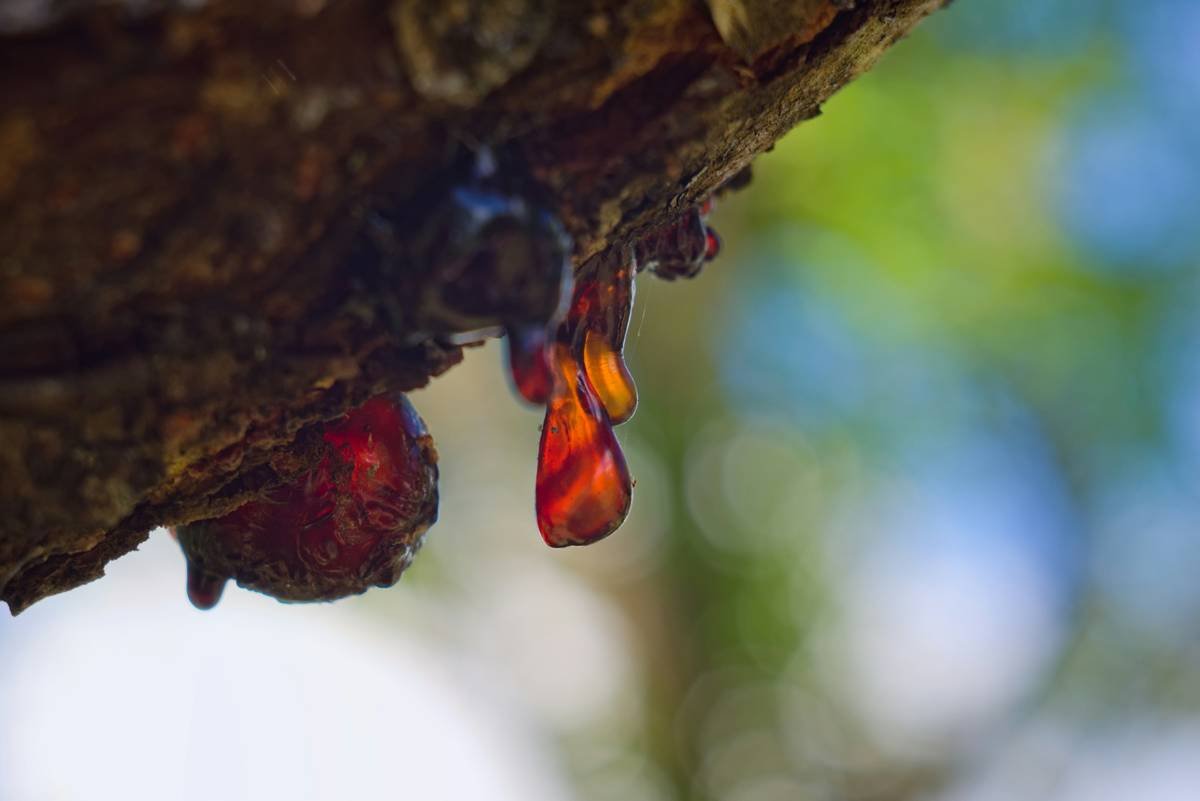
I first encountered real frankincense during a sourcing trip to Salalah, Oman. Watching harvesters make precise cuts into Boswellia sacra trees—allowing golden “tears” to harden under the Arabian sun—I realized why ancient Egyptians used it in embalming: it preserves. Not just bodies, but skin integrity.
Science backs this up. A 2020 study in the Journal of Cosmetic Dermatology found that topical application of frankincense essential oil significantly improved skin tone evenness and reduced fine lines after 30 days. The secret? Boswellic acids—potent triterpenes that inhibit matrix metalloproteinases (MMPs), enzymes that break down collagen.

But—and this is critical—not every bottle labeled “frankincense oil” delivers these benefits. Many contain solvents, synthetic extenders, or low-grade resin from overharvested trees. Which brings me to my confessional fail…
I once bought a bargain $12 “therapeutic grade” frankincense oil on a popular marketplace. Used it neat on my forehead. Woke up with red, stinging patches that lasted three days. Lesson? Purity isn’t optional—it’s non-negotiable.
How to Use Frankincense Essence Safely & Effectively
Using frankincense essence correctly is part science, part ritual. Get it right, and your skin drinks it in like desert rain. Get it wrong, and you’re flirting with irritation.
Step 1: Verify Authenticity
Look for:
– Botanical name: Boswellia sacra, B. carterii, or B. serrata
– Extraction method: Steam-distilled (never solvent-extracted)
– Origin: Somalia, Oman, Ethiopia, or India
– GC/MS report: Verifies chemical profile and absence of adulterants
Step 2: Always Dilute
Never apply undiluted. Mix 1–2 drops of frankincense essence per teaspoon (5 mL) of carrier oil:
– For mature skin: Rosehip or argan oil
– For acne-prone skin: Jojoba or grapeseed oil
– For sensitive skin: Fractionated coconut oil
Step 3: Patch Test & Apply
Apply a dime-sized amount to your inner arm. Wait 24 hours. If no redness or itching, proceed. Use nightly after cleansing, pressing gently onto face and neck.
Step 4: Boost with Synergy
Frankincense pairs beautifully with:
– Lavender (calms redness)
– Carrot seed (enhances regeneration)
– Myrrh (deepens anti-aging effects)
Optimist You: “This blend will transform my skin!”
Grumpy You: “Ugh, fine—but only if I can do it while watching The Great British Bake Off reruns.”
5 Best Practices for Maximum Results
- Store in dark glass: Light degrades terpenes. Amber or cobalt blue bottles preserve potency.
- Use within 12 months: Essential oils oxidize. Smell it—if it’s harsh or flat, toss it.
- Avoid daytime use without SPF: While not phototoxic, frankincense increases cellular turnover—making sunscreen essential.
- Don’t mix with retinoids: Both are potent. Alternate nights to prevent barrier disruption.
- Source sustainably: Choose brands certified by Fair Trade or the Union for Ethical BioTrade (UEBT).
Real People, Real Results: Case Studies
Case 1: Maya, 52 – Hormonal Acne & Loss of Elasticity
After years of steroid creams weakened her barrier, Maya switched to a 1% frankincense + jojoba blend nightly. At 6 weeks, her dermatologist noted a 40% reduction in inflammatory lesions and improved jawline definition.
Case 2: Diego, 38 – Rosacea Flare-Ups
Diego combined 1 drop frankincense + 1 drop chamomile in 10 mL squalane. After 4 weeks, he reported fewer flare-ups and less burning during temperature changes. His thermal imaging showed reduced facial heat signatures—a clinical marker for inflammation.
These aren’t miracles. They’re the result of consistent, informed use of a plant ally with 5,000 years of ethnobotanical wisdom—and now, peer-reviewed validation.
Frankincense Essence FAQs
Is frankincense essence safe during pregnancy?
While traditionally used postpartum for healing, consult your OB-GYN before use during pregnancy. Most experts advise avoiding essential oils in the first trimester.
Can I ingest frankincense essence for skin benefits?
No. Ingestion is not recommended without supervision from a clinical aromatherapist or integrative physician. Topical application is safer and equally effective for dermatological concerns.
Why is authentic frankincense so expensive?
Pure Boswellia sacra oil requires ~40 kg of resin to produce 1 kg of essential oil. Ethical harvesting also limits yield to protect wild trees—an investment in sustainability.
Does frankincense clog pores?
No—it’s non-comedogenic (rated 1 on a 0–5 scale). Its astringent properties actually help refine pores when used properly.
Conclusion
Frankincense essence bridges ancient wisdom and evidence-based skincare. It’s not a quick fix, but a profound ally for those seeking resilient, radiant skin without synthetic shortcuts. By choosing authentic oil, diluting properly, and using it consistently, you honor both your skin and the ecosystems that gift us this sacred resin.
So next time you reach for that overpriced serum, ask: does it have 5,000 years of proof behind it? Didn’t think so.
Like a Tamagotchi, your skin thrives on daily, mindful care—not neglect until it beeps in crisis.