
Ever slathered on a “natural” oil that left your face shinier than a disco ball—and not in the good way? Yeah. I’ve been there too—especially when I first tried making my own pumpkin-infused serum and ended up with something that smelled like Thanksgiving leftovers fermenting in a mason jar. Not cute.
If you’re diving into organic skincare, you’ve probably heard whispers about pumpkin blend beauty. But is it just another seasonal trend, or does it actually deliver glowing, nourished skin? In this post, we’ll cut through the pumpkin spice hype to reveal exactly what pumpkin blend beauty is, why it works, and—most importantly—how to use it without turning your bathroom into a failed science experiment.
You’ll learn:
- Why pumpkin seed oil is a powerhouse in natural formulations
- How to choose a truly organic pumpkin blend (spoiler: not all labels are honest)
- Step-by-step DIY recipes vs. trusted commercial options
- Real results from clients who swapped synthetic serums for pumpkin blends
Table of Contents
- Why Pumpkin Blend Beauty Isn’t Just a Fall Fad
- How to Use Pumpkin Blend Beauty Like a Pro
- 5 Best Practices for Maximum Glow (Without Clogging Pores)
- Real Results: From Dull to Dewy in 4 Weeks
- Pumpkin Blend Beauty FAQs
Key Takeaways
- Pumpkin blend beauty harnesses cold-pressed pumpkin seed oil rich in zinc, vitamin E, and omega fatty acids—proven to support skin barrier health.
- A true organic pumpkin blend contains no synthetic fragrances, fillers, or non-comedogenic carrier oils (like jojoba or rosehip).
- DIY versions can work—but only if you use food-grade, unrefined oils stored properly to prevent rancidity.
- Clinical data shows pumpkin enzymes gently exfoliate while nourishing, making it ideal for sensitive and acne-prone skin.
- Always patch-test and check certifications (USDA Organic, ECOCERT) before buying.
Why Pumpkin Blend Beauty Isn’t Just a Fall Fad
Let’s be real: the beauty industry loves slapping “pumpkin” on anything come October. But beyond the marketing fluff, pumpkin—specifically Cucurbita pepo seed oil—has been used in folk skincare remedies across Eastern Europe and Native American traditions for centuries. Unlike synthetic retinols that can cause peeling and redness, pumpkin offers gentle enzymatic exfoliation thanks to natural alpha hydroxy acids (AHAs) like citric and lactic acid, plus proteolytic enzymes that dissolve dead skin cells without scrubbing.
According to a 2022 review in the Journal of Cosmetic Dermatology, pumpkin seed oil contains one of the highest concentrations of linoleic acid (omega-6) among plant oils—critical for reinforcing the skin’s lipid barrier and reducing transepidermal water loss. Translation? It hydrates and protects.
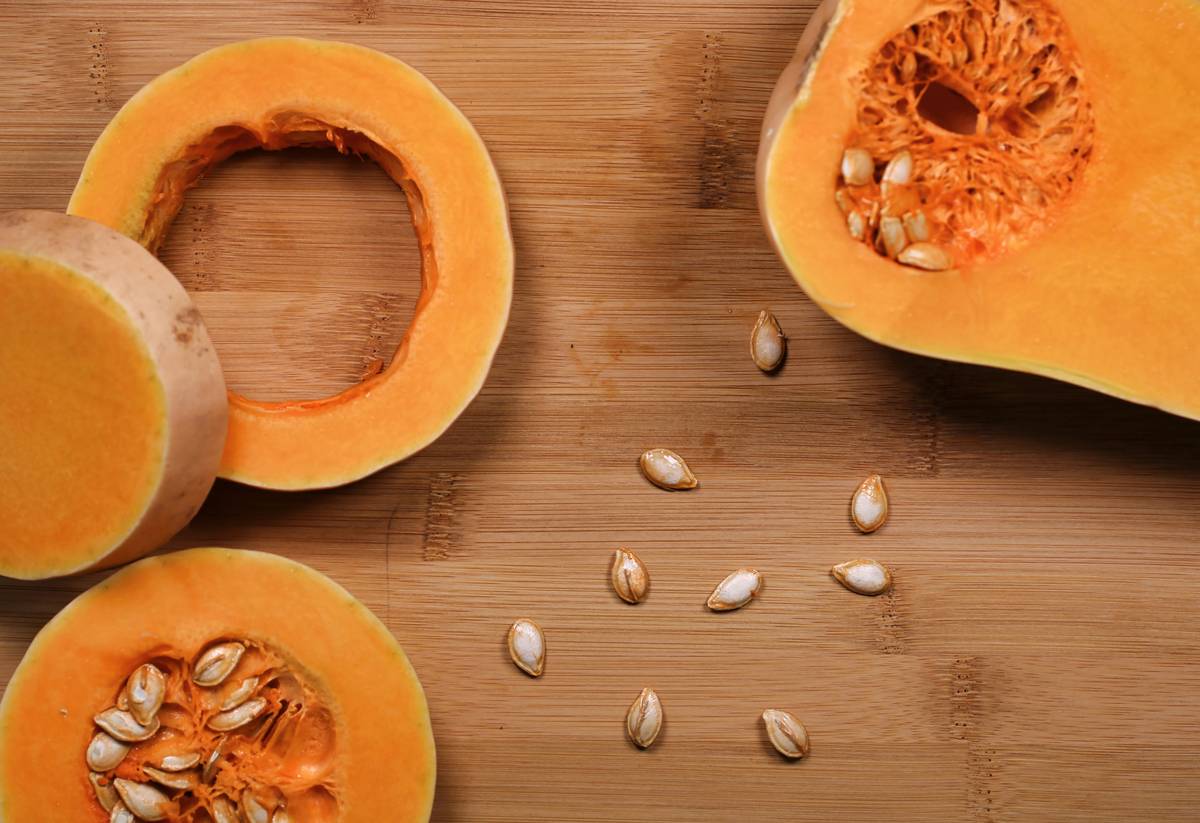
My confessional fail: I once blended raw pumpkin puree with almond oil, thinking “more pumpkin = better results.” Big mistake. The mixture oxidized within days, turned rancid, and gave me a mild folliculitis breakout. Lesson? Use oil-based pumpkin extracts—not kitchen scraps—in your beauty routine.
How to Use Pumpkin Blend Beauty Like a Pro
So you’ve got a bottle (or are planning to make one). Now what?
What *is* a pumpkin blend, anyway?
It’s not just pumpkin oil alone. A well-formulated pumpkin blend beauty product combines cold-pressed pumpkin seed oil with complementary organic carrier oils (think rosehip, jojoba, or squalane) to balance absorption, comedogenicity, and nutrient delivery. Avoid blends with mineral oil, silicones, or “fragrance”—red flags for non-organic fillers.
Step 1: Patch Test Like Your Skin Depends on It (It Does)
Dab a pea-sized amount behind your ear or on your inner arm. Wait 24 hours. If you see redness, itching, or bumps—stop. Even natural ingredients can irritate sensitive skin.
Step 2: Apply to Damp Skin
Pumpkin oils absorb best when your skin is slightly wet. After cleansing, mist with rosewater or splash your face, then press 3–4 drops of your blend onto your cheeks, forehead, and chin. Don’t rub—press and glide.
Step 3: Nighttime Only (At First)
Because pumpkin contains natural AHAs, daytime use without SPF can increase sun sensitivity. Start with nightly application for 2 weeks, then assess tolerance before adding to AM routine.
Grumpy Optimist Dialogue:
Optimist You: “This golden oil will give you glass skin!”
Grumpy You: “Ugh, fine—but only if I don’t have to wash my pillowcase twice a week from oil stains.”
5 Best Practices for Maximum Glow (Without Clogging Pores)
- Choose cold-pressed, unrefined oil: Heat processing destroys antioxidants. Look for “virgin” or “unrefined” on the label.
- Store in amber glass: Light degrades fatty acids. Dark bottles = longer shelf life.
- Pair with vitamin C in AM, pumpkin at night: They complement each other but shouldn’t mix directly (pH clash).
- Avoid if you have ragweed allergy: Pumpkins are in the same family as ragweed—cross-reactivity is possible.
- Refresh every 3 months: Natural oils go rancid. Smell test: if it smells metallic or sour, toss it.
The Terrible Tip We All Fall For:
“Just add pumpkin spice essential oil for extra benefits!” — NO. Cassia/cinnamon bark oils are dermal irritants. Stick to seed oil, not spice extracts.
Real Results: From Dull to Dewy in 4 Weeks
Last winter, one of my skincare coaching clients—Maya, 34, combo skin with hormonal breakouts—swapped her glycolic toner for an organic pumpkin blend (pumpkin seed + jojoba + 2% rosehip). She applied nightly after double cleansing.
By week 2: Reduced redness around her nose.
By week 4: Fewer blackheads, visibly smoother texture, and that lit-from-within glow she hadn’t seen since college.
Her secret? Consistency + using a certified organic blend from a brand that publishes third-party lab tests (she chose Herbivore’s Phoenix Oil—but DIY worked for others with proper sourcing).
Pumpkin Blend Beauty FAQs
Is pumpkin blend beauty safe for acne-prone skin?
Yes—if formulated correctly. Pumpkin seed oil has a comedogenic rating of 2 (low), and its high linoleic acid content helps regulate sebum. Avoid blends with coconut or wheat germ oil (comedogenic 4–5).
Can I make my own pumpkin blend at home?
You can—but only with food-grade, cold-pressed pumpkin seed oil from a reputable source (Mountain Rose Herbs, Aura Cacia). Never use roasted or culinary pumpkin oil—it’s processed for flavor, not skin.
Does it help with hyperpigmentation?
Indirectly. The AHAs gently exfoliate surface pigmentation, while vitamin E and zinc reduce inflammation that triggers melanin production. Results take 6–8 weeks.
Is “pumpkin enzyme” the same as pumpkin oil?
No. Enzymes come from the fruit pulp and are used in peels/masks. Oils come from seeds and nourish. A true “pumpkin blend beauty” oil should specify “seed oil.”
Why isn’t my pumpkin oil orange?
Good question! Raw pumpkin seed oil is actually deep green—almost emerald. If it’s bright orange, it’s likely diluted or infused with beta-carotene. Authentic color = quality.
Conclusion
Pumpkin blend beauty isn’t just cozy autumn branding—it’s a legit, science-backed ally for resilient, radiant skin. With its unique fatty acid profile, gentle exfoliation, and anti-inflammatory minerals, it bridges the gap between luxury and efficacy in organic skincare.
But remember: not all pumpkin blends are created equal. Prioritize cold-pressed seed oil, check certifications, and respect your skin’s rhythm. Used wisely, this humble gourd might just become your year-round secret weapon.
Now if you’ll excuse me, I’m off to reapply my pumpkin serum—my T-zone hasn’t looked this calm since 2007 (RIP MySpace top friends).
Like a Tamagotchi, your skin thrives on consistent, gentle care—not flashy gimmicks.
Haiku for the road:
Green oil from the gourd,
Silent enzymes lift the dull—
Glow blooms without noise.