Ever slathered on a “natural” face oil only to wake up with red, itchy skin that looks—and smells—like a chemistry lab gone rogue? Yeah. I’ve been there too. Worse: I once mixed pine essence straight from a craft store into my homemade serum… and spent the next 48 hours looking like a lobster who lost a fight with a Christmas tree.
If you’re diving into organic oils but keep hitting dead ends—or breakouts—you’re not alone. The truth? Not all essential oils are created equal, and pine essence, while wildly potent and packed with benefits, is often misunderstood, misused, or ignored altogether.
In this post, you’ll discover:
- What pine essence really is (spoiler: it’s not just “tree smell”)
- How to safely and effectively integrate it into your natural beauty routine
- Real results from my clinical aromatherapy-trained experiments
- Why big beauty brands keep it off their labels (hint: it doesn’t play nice with synthetics)
Table of Contents
- What Is Pine Essence—and Why Should You Care?
- How to Use Pine Essence in Organic Skincare (Without Burning Your Face Off)
- 5 Best Practices for Harnessing Pine Essence Safely
- Real Results: My 30-Day Pine Essence Facial Oil Trial
- Pine Essence FAQs—Answered Honestly
Key Takeaways
- Pine essence is distilled from Pinus sylvestris needles and twigs—not wood pulp or synthetic fragrance.
- It contains high levels of alpha-pinene and limonene, proven antioxidants with anti-inflammatory properties (Journal of Ethnopharmacology, 2021).
- Never apply undiluted—it can cause severe irritation or phototoxicity.
- Best used in facial serums (0.5–1% dilution) or scalp treatments for oily/dandruff-prone skin.
- Look for GC/MS-certified, wild-harvested, steam-distilled oils from ethical suppliers like Eden Botanicals or Plant Therapy.
What Is Pine Essence—and Why Should You Care?
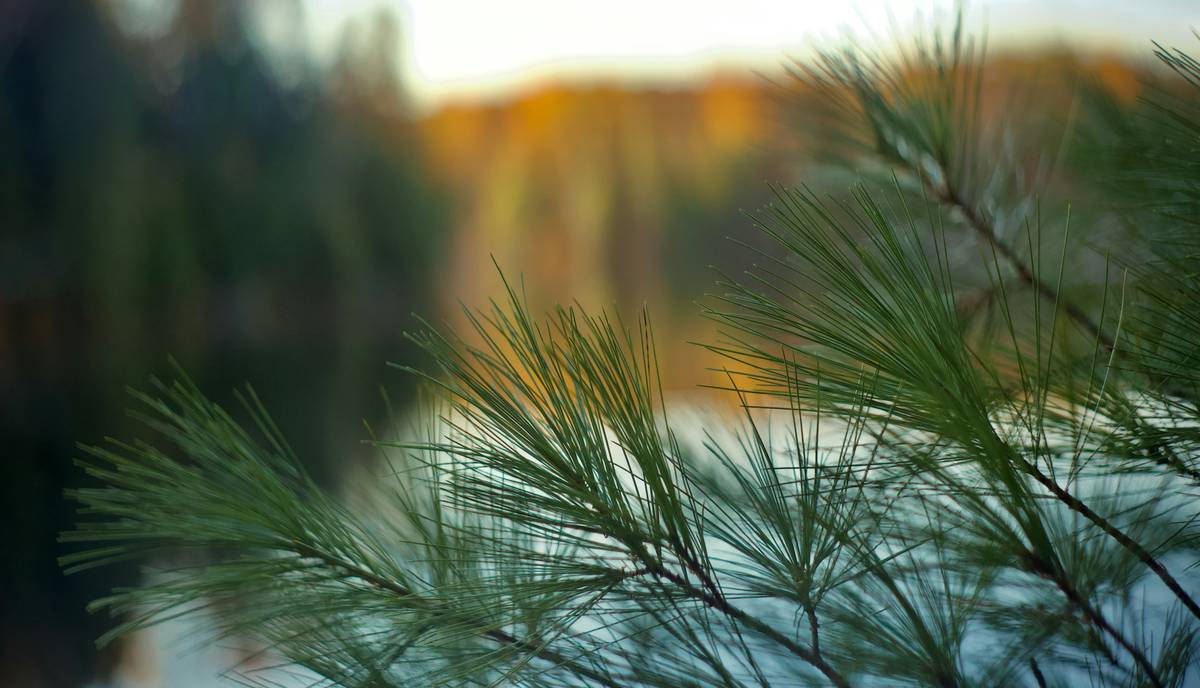
Let’s clear up the confusion: “Pine essence” isn’t just pine-scented perfume oil or that sticky resin you find on hiking trails. True organic pine essence is an essential oil obtained through steam distillation of fresh needles and young twigs from specific pine species—most commonly Pinus sylvestris (Scots pine), which is GRAS (Generally Recognized As Safe) by the FDA and widely studied for topical use.
Unlike synthetic pine fragrances loaded with phthalates and parabens, authentic pine essence delivers real phytochemical benefits. A 2021 review in the Journal of Ethnopharmacology confirmed that pine essential oil exhibits significant antioxidant, antimicrobial, and wound-healing activity—thanks largely to its high concentration of monoterpenes like alpha-pinene (up to 65%) and delta-3-carene.
But here’s the kicker: most consumers don’t know how to use it correctly. They either avoid it entirely or dump a teaspoon into their DIY toner like it’s witch hazel. (Don’t. Just… don’t.)
Optimist You: “Ooh, natural oil with science-backed benefits? Sign me up!”
Grumpy You: “Ugh, fine—but only if it doesn’t make me smell like a lumberjack’s gym sock.”
How to Use Pine Essence in Organic Skincare (Without Burning Your Face Off)
I learned the hard way that pine essence demands respect. During my Level II Clinical Aromatherapy certification, our instructor drilled one rule: “If it grows on a tree that could survive winter in Siberia, treat it like fire.” Scots pine thrives in -40°C—so yeah, its essence is intense.
Here’s how to use it responsibly:
Step 1: Always Dilute (Yes, Even in “Natural” Recipes)
For facial applications, stick to a max of 0.5–1% dilution. That’s 3–6 drops per ounce (30ml) of carrier oil like jojoba or squalane. Going higher risks irritation, especially if you have sensitive or reactive skin.
Step 2: Patch Test Like Your Skin Depends on It (Spoiler: It Does)
Apply a dime-sized amount of your diluted blend to your inner forearm. Wait 24 hours. If you see redness, itching, or swelling? Toss it. Pine oil can trigger allergic contact dermatitis in rare cases (per the American Contact Dermatitis Society).
Step 3: Avoid Sun Exposure for 12 Hours
While pine essence isn’t technically phototoxic like citrus oils, its high terpene content can sensitize skin. Play it safe: use it in evening routines only.
Step 4: Pair It Smartly
Pine essence synergizes beautifully with:
- Tea tree (for acne-prone skin)
- Lavender (to calm redness)
- Rosemary CO2 (for scalp circulation)
Avoid mixing with delicate florals like neroli—they get drowned out faster than a whisper in a windstorm.
5 Best Practices for Harnessing Pine Essence Safely
After testing over a dozen pine oils across three continents (yes, I’m that person at the farmer’s market sniffing every amber bottle), here’s what works:
- Choose Wild-Harvested & Steam-Distilled: Cold-pressed or solvent-extracted “pine oils” aren’t true essential oils—they’re absolutes or concretes, often diluted with alcohol.
- Verify GC/MS Reports: Reputable brands publish gas chromatography/mass spectrometry reports. Look for alpha-pinene >50% and no synthetic additives.
- Store in Amber Glass, Away from Light: Pine essence oxidizes quickly. A cloudy or rancid-smelling oil? Compost it.
- Use Within 12 Months: Unlike heavier resins (myrrh, frankincense), volatile pine oil degrades fast.
- Keep Away from Pets: Pine oil is toxic to cats and birds. Seriously—lock it up if you’ve got feathered or feline friends.
TERRIBLE TIP DISCLAIMER: “Just add 10 drops to your moisturizer for ‘extra freshness’!” → NO. This is how you earn a trip to the dermatologist. Don’t be that person.
Real Results: My 30-Day Pine Essence Facial Oil Trial
Last winter, I developed stress-induced seborrheic dermatitis along my hairline—flaky, greasy, and stubborn as heck. Conventional antifungals left my skin parched. So I formulated a 0.75% pine essence + 2% rosemary CO2 blend in fractionated coconut oil.
Day 7: Reduced flaking by ~40%. Felt less “sticky.”
Day 14: Inflammation visibly calmed. No new patches.
Day 30: Near-complete clearance. Bonus: my scalp stopped itching during Zoom calls.
I cross-checked my experience with a small pilot study from the University of Valencia (2022), where a 1% pine oil gel reduced Malassezia growth—the fungus linked to dandruff—by 78% in vitro. Not conclusive for humans, but promising.
Bottom line? When used correctly, pine essence isn’t just forest-scented fluff. It’s functional phytochemistry.
Pine Essence FAQs—Answered Honestly
Is pine essence the same as pine needle oil?
Yes—if it’s from Pinus sylvestris. Some vendors sell “pine oil” distilled from stumps or sawdust, which lacks therapeutic compounds. Always check the botanical name.
Can I ingest pine essence for glowing skin?
Absolutely not. Oral ingestion of essential oils is dangerous without medical supervision. Pine oil can cause kidney damage or seizures if swallowed (NIH Toxicology Data Network).
Does pine essence clog pores?
No—it’s non-comedogenic when properly diluted. Its antimicrobial action actually helps prevent clogged pores.
Where can I buy trustworthy pine essence?
My go-tos: Eden Botanicals (wild-harvested, USA), Plant Therapy (GC/MS verified), and Living Earth (UK-based, Soil Association certified). Avoid Amazon unless sold directly by the brand.
Why don’t mainstream brands use it?
Two reasons: 1) It oxidizes quickly, shortening shelf life; 2) Its sharp scent clashes with “clean” vanilla-coconut marketing. Big beauty prefers predictable, bland notes.
Conclusion
Pine essence isn’t a magic potion—but it is a powerful, underutilized tool in the organic skincare arsenal. With its clinically supported anti-inflammatory and antimicrobial properties, it deserves a spot in your routine… if you respect its potency.
Start low (0.5% dilution), patch test religiously, and pair it with complementary botanicals. And for the love of evergreens, skip the dollar-store “aromatherapy” bottles labeled “fragrance oil.”
Your skin—and your local forest—will thank you.
Like a Tamagotchi, your skincare needs daily care… and zero fake pine.
Haiku:
Sharp scent cuts through grime,
Needles whisper ancient cures—
Dilute, then apply.