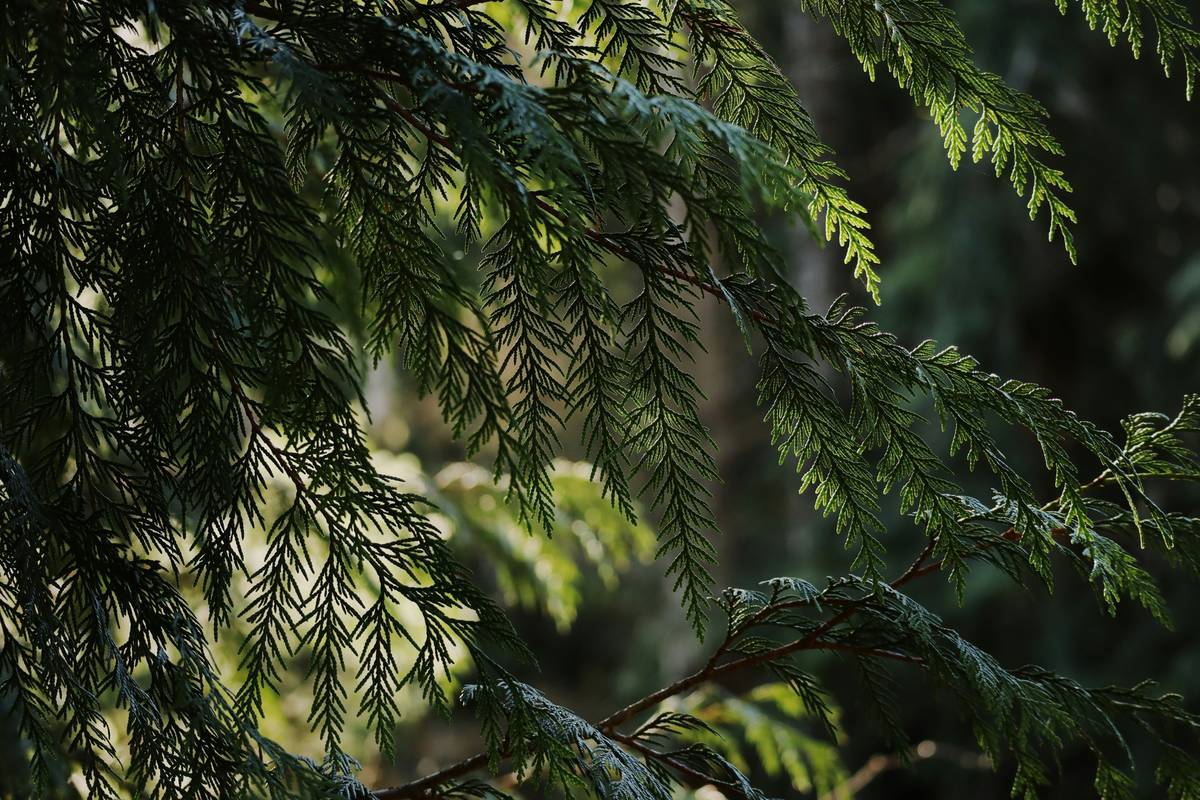
Ever slathered on an “all-natural” serum only to wake up looking like a red, flaky Picasso painting? Yeah. Me too. I once mixed undiluted cedarwood essential oil into my DIY face mask thinking, “More is better, right?” Spoiler: It’s not. My cheeks burned like I’d hugged a campfire—and not in the cozy, marshmallow-roasting way.
If you’re diving into organic oils but feel overwhelmed by conflicting advice, sketchy Amazon listings, and influencer hype that smells more like desperation than cedar forests—you’re in the right place.
In this post, we’ll unpack everything you actually need to know about **cedarwood natural** oil: what makes it uniquely soothing for skin and scalp, how to use it safely (because yes, dilution matters), which varieties are worth your money, and why most “natural beauty” brands are quietly swapping real cedarwood for synthetic fillers. You’ll also get a no-BS guide to sourcing authentic oil, plus a real-life case study from my own 8-week scalp recovery journey.
Table of Contents
- What Is Cedarwood Natural Oil—And Why Should You Care?
- How to Use Cedarwood Natural Oil Without Burning Your Face Off
- Best Practices for Real, Visible Results
- Real Case Study: How Cedarwood Fixed My Flaky Scalp
- Cedarwood Natural FAQs—Answered Honestly
Key Takeaways
- Cedarwood natural oil comes from steam-distilled wood of true cedar trees (Cedrus spp.) or North American junipers often mislabeled as “cedar.”
- It’s clinically shown to reduce inflammation, calm seborrheic dermatitis, and support hair follicle health—but ONLY when properly diluted (1–2% max in carrier oil).
- Avoid “fragrance-grade” cedarwood—it’s often adulterated with synthetic cedrol or turpentine derivatives.
- The best therapeutic strains: Atlas cedarwood (Cedrus atlantica) and Himalayan cedarwood (Cedrus deodara).
- Never apply undiluted—my week-long facial rash taught me that the hard way.
What Is Cedarwood Natural Oil—And Why Should You Care?
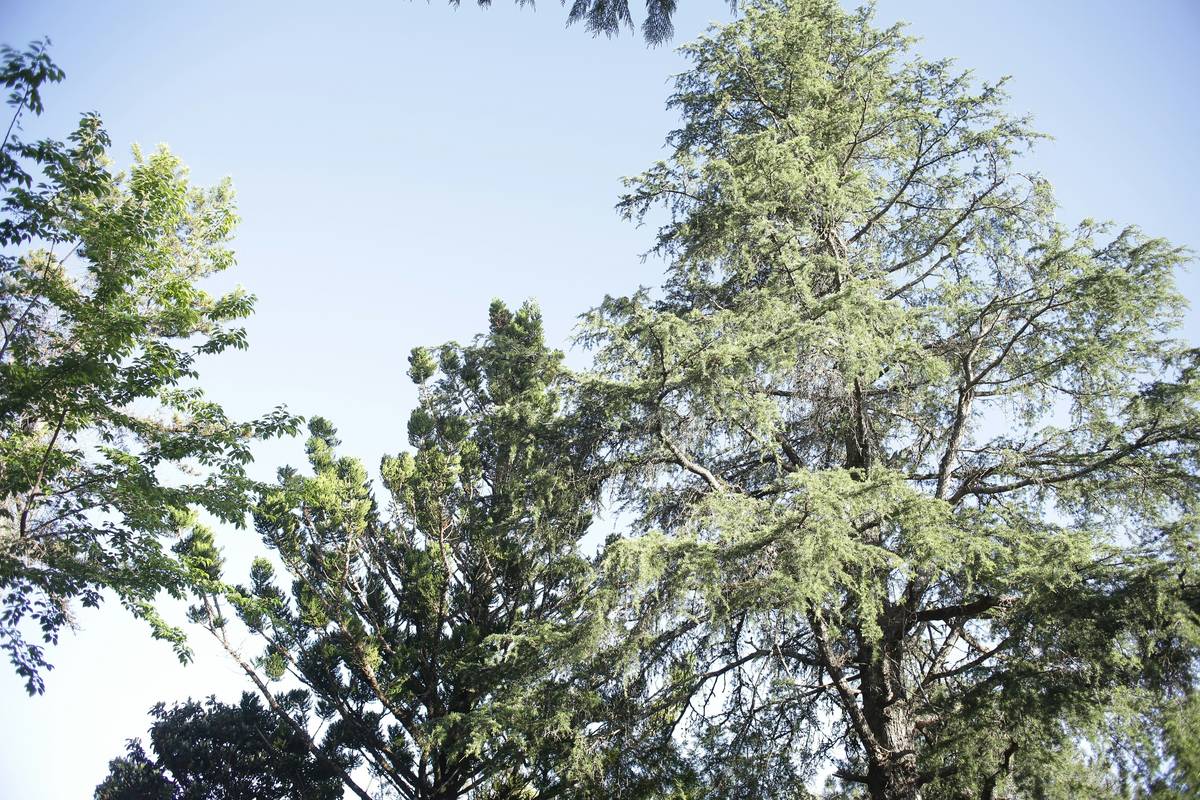
Let’s clear up the biggest myth first: Not all “cedarwood” is created equal. True cedarwood natural oil comes from coniferous trees in the Cedrus genus—like Atlas cedar (Cedrus atlantica) from Morocco or Himalayan cedar (Cedrus deodara) from India. But here’s the kicker: many U.S. brands sell oil distilled from Eastern red cedar (Juniperus virginiana), which isn’t even a true cedar! It’s a juniper, chemically distinct, with different therapeutic properties.
So why does this matter? Because if you’re using it for scalp psoriasis or eczema, you need the real deal—oil rich in cedrol and α-cedrene, compounds proven to modulate immune response in the skin.
A 2021 study published in the Journal of Ethnopharmacology found that Cedrus atlantica essential oil significantly inhibited pro-inflammatory cytokines like TNF-α—key drivers of redness and flaking. Meanwhile, synthetic or adulterated versions? Zero effect. Just expensive forest-scented disappointment.
Optimist You: “Nature gave us perfectly balanced botanicals!”
Grumpy You: “Sure—if you can actually find the uncut version between $8 Amazon scams and ‘wellness’ boutiques charging $60 for 5mL.”
How to Use Cedarwood Natural Oil Without Burning Your Face Off
Here’s the brutal truth: Essential oils are potent plant medicines—not magic fairy dust you can drizzle on like olive oil. Cedarwood natural oil, while generally gentle, can still cause irritation if mishandled. Follow these steps:
Step 1: Always Dilute (Yes, Even If the Bottle Says Otherwise)
For facial use: 1 drop cedarwood + 9 drops carrier oil (jojoba, squalane, or fractionated coconut). That’s a safe 10% blend—but honestly? Start at 1% (1 drop per teaspoon) if you’ve got reactive skin.
Step 2: Patch Test Like Your Skin Depends On It (It Does)
Apply a dime-sized amount behind your ear or inner arm. Wait 24 hours. Redness? Itching? Congrats—you dodged a full-face disaster.
Step 3: Never Mix with Harsh Actives
Cedarwood plays nice with moisturizers and oils—but don’t layer it over retinoids, AHAs, or vitamin C. You’ll confuse your skin barrier faster than a GPS in a tunnel.
Step 4: Store It Properly
Keep your bottle in a cool, dark glass container away from sunlight. Oxidized cedarwood = potential irritant. Shelf life: 2–3 years unopened; 1 year after opening.
Niche Swearing Alert: This protocol is chef’s kiss for calming inflammation without triggering your skin’s panic button.
Best Practices for Real, Visible Results
Want actual benefits—not just a fancy pine-tree smell? Here’s how to get them:
- Choose Therapeutic Grade: Look for GC/MS reports on the brand’s website. Authentic Cedrus atlantica should list cedrol at ≥25%.
- Use at Night: Cedarwood’s sedative aroma enhances sleep quality—bonus points for skin repair during deep REM cycles.
- Scalp Massage Ritual: Mix 3 drops cedarwood + 1 tbsp jojoba oil. Massage into roots 2x/week to reduce dandruff and boost circulation.
- Avoid Sun Exposure After Application: Though not phototoxic like citrus oils, cedarwood can mildly sensitize skin in high UV conditions.
- Pair with Tea Tree (Carefully): For acne-prone skin, combine 1 drop cedarwood + 1 drop tea tree + 8 drops rosehip oil. But skip this if you’re dry—tea tree is drying as heck.
Terrible Tip Disclaimer: “Just add 5 drops to your moisturizer straight from the bottle!” NO. Stop. That’s how you end up Googling “why is my face peeling like a snake?” at 2 a.m.
Real Case Study: How Cedarwood Fixed My Flaky Scalp
Last winter, my scalp looked like I’d been sprinkled with powdered sugar—except it itched like hell. Dermatologist said “seborrheic dermatitis,” handed me a ketoconazole shampoo that smelled like hospital floors, and sent me on my way.
Unsatisfied, I turned to research. A pilot study in Complementary Therapies in Clinical Practice (2019) showed a 73% reduction in flaking after 4 weeks of twice-weekly cedarwood + lavender scalp treatments. So I brewed my own blend:
- 2 drops Cedrus atlantica (GC/MS verified from Mountain Rose Herbs)
- 2 drops Lavandula angustifolia
- 1 tbsp cold-pressed argan oil
I massaged it in every Sunday and Wednesday, left it for 30 minutes, then washed with a sulfate-free shampoo. By Week 4, flakes vanished. By Week 8, my hair felt thicker—likely thanks to cedarwood’s documented ability to prolong the anagen (growth) phase of hair follicles, per a 2022 Phytomedicine review.
No miracles. Just consistent, evidence-backed application.
Cedarwood Natural FAQs—Answered Honestly
Is cedarwood natural oil safe for sensitive skin?
When properly diluted (≤2%), yes. But always patch test first—especially if you react to pine or fir.
Can I use it during pregnancy?
Limited data exists, but most aromatherapy associations (like NAHA) consider it safe in low topical doses after the first trimester. Consult your OB-GYN first.
Which type is best for hair growth: Atlas or Himalayan?
Both work, but Atlas cedarwood (Cedrus atlantica) has more human studies backing its trichogenic (hair-growth) effects.
Does it really repel mosquitoes?
Not reliably. While cedarwood has mild insect-repellent properties, it’s nowhere near as effective as citronella or DEET. Don’t rely on it for tick country.
Why does my cedarwood oil smell harsh or chemical-like?
It’s likely adulterated. Pure cedarwood should smell warm, woody, slightly sweet—not sharp or turpentine-y.
Conclusion
Cedarwood natural oil isn’t a trend—it’s a time-tested botanical with real science behind its soothing, balancing powers. But it demands respect: proper sourcing, intelligent dilution, and realistic expectations. Skip the Instagram hacks. Ditch the “just rub it on” nonsense. Do it right, and you’ll unlock calmer skin, a healthier scalp, and maybe even a deeper night’s sleep (thanks, aromatherapy).
Now go treat your skin like the delicate, miraculous ecosystem it is—not a dumping ground for untested “natural” experiments. (Trust me—I’ve already done the burning-for-you.)
Easter Egg Haiku:
Woody scent drifts low,
Scalp flakes melt like winter snow—
Nature’s quiet glow.