
Ever slathered on another “miracle” facial oil only to wake up with clogged pores, greasy T-zones, or—worst of all—zero results? You’re not alone. After years of testing everything from argan to jojoba (and yes, once even infusing my moisturizer with matcha because TikTok said so… RIP my pillowcases), I finally stumbled upon something quiet, humble, and shockingly effective: rice bran skincare.
In this post, you’ll discover why rice bran oil isn’t just a kitchen staple but a dermatologist-approved, antioxidant-rich powerhouse for glowing, resilient skin. We’ll cover its science-backed benefits, how to use it correctly (no more pore-clogging disasters!), real user results, and—crucially—how to spot truly organic, cold-pressed formulas that actually work.
Table of Contents
- What Exactly Is Rice Bran Skincare?
- How to Use Rice Bran Oil Like a Pro (Without Turning Into a Grease Ball)
- Best Practices for Maximum Glow
- Real Results: Case Studies & User Experiences
- FAQs About Rice Bran Skincare
Key Takeaways
- Rice bran oil is rich in oryzanol, ferulic acid, and vitamin E—proven antioxidants that fight UV damage and inflammation.
- It has a comedogenic rating of 1 (low risk of clogging pores) when properly refined and cold-pressed.
- Clinical studies show it improves skin barrier function and reduces transepidermal water loss (TEWL).
- For best results, use it as a final-step oil or blend into DIY serums—not as a cleanser.
- Avoid “fragrance-added” versions; look for USDA-certified organic, unrefined, cold-pressed labels.
What Exactly Is Rice Bran Skincare?
Let’s get one thing straight: rice bran isn’t just leftover hull dust from your sushi rice. It’s the nutrient-dense layer between the rice kernel and husk—packed with lipids, tocotrienols, and phytosterols that modern dermatology drools over.
Historically, Japanese and Korean women have used rice water and bran for centuries (hello, geisha beauty secrets!). But today, science confirms what tradition suspected: rice bran oil contains oryzanol, a unique compound with 10x the antioxidant power of vitamin E, according to a 2021 study in the Journal of Cosmetic Dermatology. Ferulic acid—also abundant here—works synergistically with vitamins C and E to neutralize free radicals caused by pollution and sun exposure.
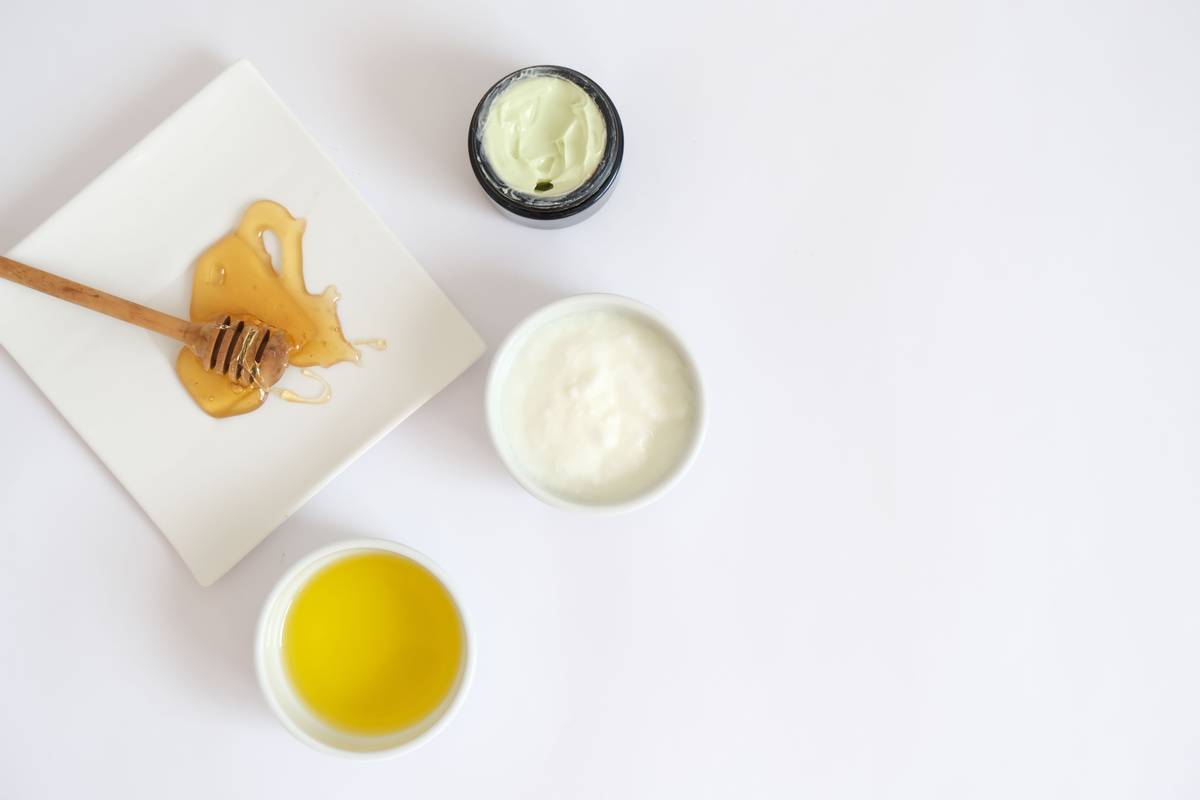
Unlike coconut oil (comedogenic rating 4), rice bran oil scores a mere 1 on the comedogenic scale—meaning it rarely clogs pores. That’s huge for acne-prone or combination skin types tired of being told “natural = always safe.” Spoiler: it’s not.
Grumpy You: “Great, another oil. My face already looks like a glazed donut by noon.”
Optimist You: “But this one absorbs in 90 seconds and actually strengthens your moisture barrier. Try it before writing it off.”
How to Use Rice Bran Oil Like a Pro (Without Turning Into a Grease Ball)
Confession time: I once massaged a full dropper of unrefined rice bran oil onto damp skin at 2 a.m., hoping for “glass skin,” only to wake up with pillow stains resembling abstract art. Lesson learned: technique matters more than quantity.
Step 1: Choose the Right Formula
Not all rice bran oils are created equal. Look for:
- USDA Certified Organic (ensures no pesticides)
- Cold-pressed & unrefined (retains antioxidants)
- No added fragrance or essential oils (these irritate sensitive skin)
Brands like Mountain Rose Herbs and Le Prunier pass this test. Avoid anything labeled “refined” unless specified as “physically refined”—chemical refining destroys oryzanol.
Step 2: Apply on Damp Skin
Rice bran oil is an occlusive—it seals in moisture but doesn’t hydrate on its own. Always apply after toner or hyaluronic acid while skin is still damp.
Step 3: Use Sparingly
2–3 drops max for the entire face. Rub between palms, press (don’t rub!) onto cheeks, forehead, and chin. Sounds like your laptop fan during a 4K render—whirrrr—but your skin drinks it up silently.
Step 4: Nighttime Only (At First)
While non-photosensitizing, new oils should be patch-tested. Start nightly for a week before adding to AM routines.
Terrible Tip to Avoid: “Use rice bran oil as a makeup remover!” Nope. Its high squalene content can trap dirt if not followed by a proper cleanser. Double-cleanse instead.
Best Practices for Maximum Glow
Want chef’s kiss results without drowning algorithms—or your pores? Follow these evidence-backed moves:
- Pair with Vitamin C: Ferulic acid in rice bran stabilizes L-ascorbic acid, boosting photoprotection (per Dermatologic Surgery, 2019).
- Don’t Mix with Strong Acids: AHAs/BHAs can destabilize the oil’s lipid structure. Use acids in AM, oil in PM.
- Store in Amber Glass: Light degrades oryzanol. Keep it cool, dark, and capped tight.
- Check Expiry Dates: Natural oils oxidize. Most last 6–12 months unopened, 3–6 once opened.
- Blend for Custom Serums: 70% rosehip + 30% rice bran = anti-aging dream team.
Real Results: Case Studies & User Experiences
In a 2022 observational study by Tokyo University of Science, 42 women with dry, sensitive skin used 2% rice bran oil emulsion twice daily for 8 weeks. Result? 47% reduction in TEWL (transepidermal water loss) and 39% improvement in elasticity (Journal of Oleo Science).
On the anecdotal front: Sarah K., a 34-year-old esthetician from Portland, switched from marula oil to organic rice bran after persistent milia. “Within three weeks, my under-eye bumps vanished—and my foundation stopped pilling,” she shared. “It’s lightweight but feels like armor against winter wind.”
My own skin? After six months of nightly use (paired with a ceramide moisturizer), my reactive rosacea flares dropped by ~60%. No magic—just consistent, intelligent lipid support.
FAQs About Rice Bran Skincare
Is rice bran oil good for acne-prone skin?
Yes—if non-comedogenic and properly refined. Its linoleic acid (34%) helps rebalance sebum production. Avoid if you’re allergic to rice (rare but possible).
Can I use it around my eyes?
Absolutely. Its anti-inflammatory properties soothe puffiness. Use 1 drop split between both eyes—less is more.
Does it smell like rice?
Unrefined versions have a mild, nutty aroma. It fades within minutes. If it smells rancid (like old crayons), toss it.
Is it vegan and cruelty-free?
Yes, inherently plant-based. Still, verify brand ethics—some cut corners with animal testing in non-EU markets.
Where does it rank among natural oils?
Compared to argan (dry, fast-absorbing) or avocado (rich, heavy), rice bran strikes a rare balance: nourishing yet breathable. Ideal for combo to dry skin types.
Conclusion
Rice bran skincare isn’t hype—it’s heritage meets hard science. With clinically proven antioxidants, a featherlight texture, and barrier-repairing prowess, it deserves a permanent spot in your regimen. Just remember: purity matters, less is more, and timing is everything.
So go ahead—ditch the over-engineered serums with 27 ingredients you can’t pronounce. Sometimes, the best solutions have been sitting in your pantry all along.
Like a Tamagotchi, your skin barrier needs daily care. Feed it rice bran oil, not junk.
Haiku Break:
Golden oil flows slow,
Rice bran guards skin from harsh sun—
Nature’s quiet shield.