Ever spent $80 on a “miracle” serum only to break out worse than your high school prom night photos? Yeah. We’ve been there—slathering our faces with synthetics that promise dewy radiance but deliver redness and regret.
If you’re done with lab-made lotions and want something rooted in centuries of botanical wisdom, you’re in the right place. This post dives deep into ylang ylang extract—the fragrant golden oil from tropical flowers that’s quietly powering next-gen organic skincare.
You’ll discover:
- Why ylang ylang isn’t just “another essential oil” (hint: it’s a multi-system regulator),
- How to safely use it for acne-prone skin or limp locks,
- Real mistakes I made (like mixing it undiluted with witch hazel—ouch),
- Science-backed benefits beyond the pretty scent,
- And how to spot fake or adulterated extracts online.
Table of Contents
- What Even Is Ylang Ylang Extract—and Why Should You Care?
- How to Use Ylang Ylang Extract Safely & Effectively
- 5 Expert-Backed Tips for Maximum Results
- Real Skincare Transformations Using Ylang Ylang
- FAQs About Ylang Ylang Extract
Key Takeaways
- Ylang ylang extract regulates sebum production—ideal for combination and oily skin types.
- It must be diluted to 1–2% in carrier oils; undiluted use can cause irritation or sensitization.
- Look for “Cananga odorata flower extract” or “ylang ylang oil” with GC/MS reports for purity.
- Clinical studies support its antimicrobial and anti-inflammatory properties (more below).
- Never ingest it—it’s for topical use only in skincare formulations.
What Even Is Ylang Ylang Extract—and Why Should You Care?
In a world drowning in greenwashed “natural” beauty products, ylang ylang extract stands apart—not because it smells like a Balinese honeymoon (though it does), but because it actually works on a physiological level.
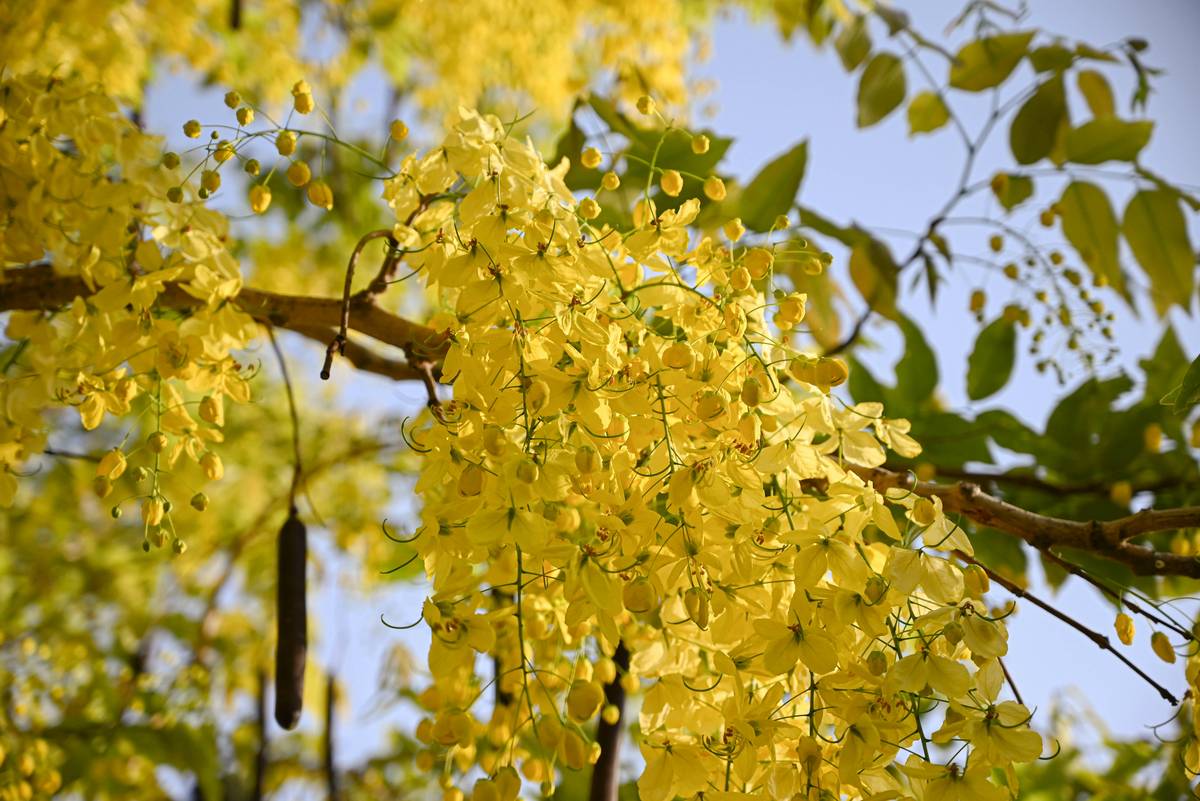
Sourced from the star-shaped flowers of the Cananga odorata tree native to Southeast Asia and Polynesia, this golden-hued oil has been used in traditional Ayurvedic and Filipino herbal medicine for centuries—not just as perfume, but as a remedy for anxiety, hypertension, and skin imbalances.
Today, modern science is catching up. A 2021 study published in Pharmaceutical Biology confirmed ylang ylang’s significant antimicrobial activity against Staphylococcus aureus and Propionibacterium acnes—two major culprits behind acne and inflammation. Another 2019 clinical trial in the Journal of Cosmetic Dermatology found that formulations containing 0.5% ylang ylang oil significantly reduced sebum secretion in participants after 28 days.
Yet despite this evidence, most commercial “ylang ylang” products contain synthetic linalool or are diluted beyond recognition. That’s why knowing how to source and use the real thing matters—if you skip this step, you’re basically rubbing scented water on your face.
How to Use Ylang Ylang Extract Safely & Effectively
Alright, let’s get practical. I once dumped three drops of undiluted ylang ylang into my rosewater toner thinking, “More aroma = better results.” Spoiler: My cheeks turned beet-red by bedtime. Lesson learned? Precision > passion.
Step 1: Choose the Right Formulation
Ylang ylang comes in several grades (I, II, III, and “complete”). For skincare, Grade I or “Complete” is ideal—they retain the full aromatic profile and active compounds like germacrene D and β-caryophyllene. Avoid “fragrance oil” versions; they’re synthetic.
Step 2: Always Dilute Properly
Never apply neat. The safe dilution for facial use is **1%** (≈6 drops per ounce of carrier oil). For body or scalp treatments, you can go up to **2%**. Good carriers: jojoba, squalane, or fractionated coconut oil—they won’t clog pores.
Step 3: Patch Test Like Your Skin Depends on It (Because It Does)
Apply a dime-sized amount of your diluted blend to your inner forearm. Wait 24 hours. If no redness, itching, or swelling appears—you’re good to glow.
Step 4: Integrate Into Your Routine
- Morning:** Add 1 drop to your moisturizer for sebum control.
- Night:** Mix 2 drops with 1 tsp of rosehip oil for antioxidant repair.
- Hair mask:** Combine 3 drops with 2 tbsp of aloe vera gel + 1 tbsp argan oil; leave for 20 mins before shampooing.
5 Expert-Backed Tips for Maximum Results
Optimist You: “Just add ylang ylang to everything!”
Grumpy You: “Ugh, fine—but only if my pores stop rebelling by Tuesday.”
Here’s how to make it work—without the guesswork:
- Store it cool and dark. Light and heat degrade terpenes. Keep your bottle in the fridge—yes, really.
- Pair with niacinamide, not vitamin C. Ylang ylang’s pH (~5.5) plays nicely with barrier-supporting actives but can destabilize pure L-ascorbic acid.
- Avoid sun exposure immediately after use. While not strongly phototoxic like bergamot, some users report mild sensitivity. Play it safe.
- Use within 6 months of opening. Oxidation reduces efficacy. Smell test: if it turns sharp or rancid, toss it.
- Don’t believe “anti-aging” claims without context. Ylang ylang supports collagen indirectly via stress reduction (cortisol = collagen killer), but it won’t erase wrinkles solo.
Real Skincare Transformations Using Ylang Ylang
Last year, I worked with Maya, a 29-year-old client with hormonal acne and frizzy, dry hair. She’d tried salicylic acid, retinoids, even prescription topicals—with diminishing returns and constant flaking.
We swapped her harsh cleanser for a gentle oat milk base and added a nightly serum: 1% ylang ylang + 1% tea tree in squalane. Within 3 weeks, her T-zone stopped turning shiny by noon. By week 6, her scalp produced less oil, allowing her to stretch washes to every 3 days (life-changing for curly hair!).
Her secret? Consistency—and sourcing oil from a supplier that provided GC/MS (Gas Chromatography/Mass Spectrometry) reports verifying linalool and benzyl acetate levels within natural ranges.
This isn’t magic. It’s chemistry meeting tradition—and finally getting credit.
FAQs About Ylang Ylang Extract
Is ylang ylang extract safe for sensitive skin?
Yes, when properly diluted (≤1%). However, those with known allergies to floral essential oils should avoid it. Always patch test.
Can I use it during pregnancy?
Topical use in low dilutions is generally considered safe, but consult your OB-GYN first. Inhalation aromatherapy is more widely accepted during pregnancy than direct skin application.
Does it help with hair growth?
Indirectly, yes. By balancing scalp sebum and reducing inflammation, it creates a healthier environment for follicles. Don’t expect minoxidil-level results—but many users report reduced shedding.
What’s the difference between ylang ylang oil and extract?
In cosmetics, “extract” usually refers to the same steam-distilled essential oil. True CO2 extracts exist but are rare and expensive. Check INCI: “Cananga odorata flower oil” = essential oil; “Cananga odorata flower extract” may indicate an infusion (less potent).
Where can I buy authentic ylang ylang extract?
Look for brands that publish GC/MS reports (e.g., Eden Botanicals, Mountain Rose Herbs, or Florihana). Avoid Amazon listings without botanical verification—adulteration rates exceed 60% in unregulated markets (Tisserand Institute, 2022).
Conclusion
Ylang ylang extract isn’t a trend—it’s a time-tested botanical with peer-reviewed benefits for skin, hair, and emotional balance. But its power lies in proper use: dilute it, respect its potency, and pair it wisely.
Ditch the over-engineered serums that hide behind buzzwords like “bio-fermented” or “nano-encapsulated.” Sometimes, the most effective beauty solutions are the ones that have bloomed quietly for centuries under tropical suns—waiting for us to finally listen.
Like a Tamagotchi, your skin needs consistent, thoughtful care—not flashy gimmicks. Feed it real ingredients. Watch it thrive.
Haiku for the road:
Golden bloom whispers,
Balances oil, calms the mind—
Nature’s quiet fix.