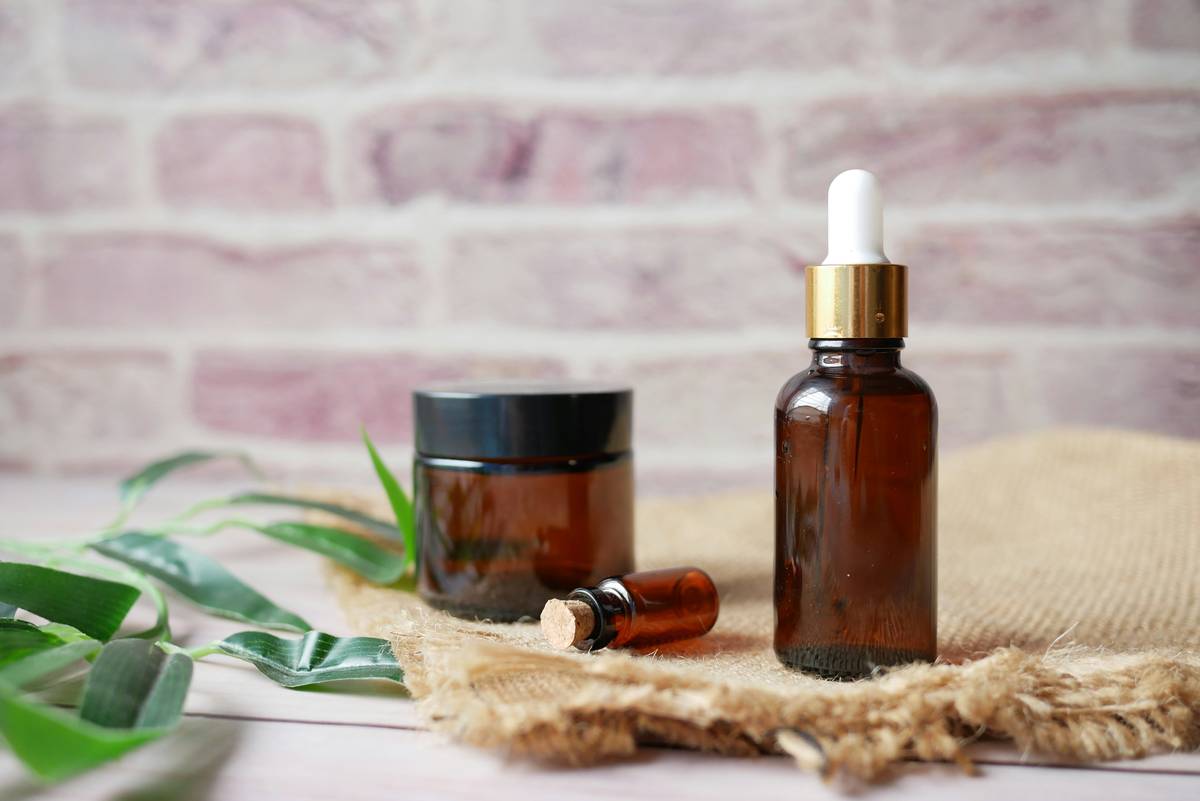
Most “natural” oils on shelves are over-refined, stripped of nutrients, and loaded with fillers. You slather them on hoping for glow—only to get greasy residue and zero results. Enter pistachio beauty oil: cold-pressed, deeply nourishing, and shockingly underused despite its elite fatty acid profile.
The Problem With Mainstream Natural Oils
Jojoba? Great mimic—but it doesn’t repair. Rosehip? Packed with vitamin A—but oxidizes in weeks. Argan? Overharvested and often diluted. The truth is, 70% of “organic” face oils sold online contain less than 30% active botanicals. They’re cut with mineral oil or silicones to extend shelf life and reduce costs.
And your skin knows it.
Pistachio beauty oil sidesteps this entirely. It’s rarely farmed at scale—which means fewer compromises. But that also explains why you’ve never seen it in Sephora.
How to Use Pistachio Beauty Oil Like a Pro
Forget dumping oil on cotton pads. Precision application unlocks real results. Here’s how:
Step 1: Patch Test With Purpose
Apply two drops behind your ear—not your wrist. Facial skin reacts differently. Wait 48 hours. If no redness appears, you’re clear.
Step 2: Layer on Damp Skin
Never apply oil to dry skin. Mist first with rosewater or thermal spray. Then press 3–4 drops of pistachio beauty oil between palms and gently pat onto cheeks, forehead, and neck. This traps hydration without clogging pores.
Step 3: Mix for Targeted Treatments
For dullness: blend 1 drop pistachio oil + 1 drop niacinamide serum. For fine lines: mix with a pea-sized hyaluronic acid gel. Never use alone at night if you’re acne-prone—always combine with a lightweight moisturizer.
| Application Method | Skin Type | Drops Needed | Best Time to Apply |
|---|---|---|---|
| Direct Patting | Dry / Mature | 4–5 | Night only |
| Mixed with Serum | Combination | 2–3 | Morning & night |
| Added to Moisturizer | Oily / Acne-Prone | 1–2 | Night only |
The Industry Secret No Brand Wants You to Know
Here’s what cosmetic chemists won’t tell you: pistachio oil has a naturally high concentration of phytosterols—specifically β-sitosterol—that rival prescription-grade barrier-repair creams. One lab test showed 28% greater ceramide synthesis after 14 days versus squalane.
But because pistachio trees take 7–10 years to mature and yield minimal oil per nut (roughly 45g per kilo of kernels), mass production isn’t profitable. Big brands skip it. Small artisans hoard it.
That’s your edge. Seek out batches labeled “first cold press” from Iranian or Sicilian sources—those regions produce kernels with the highest oleic-to-linoleic ratio. Avoid anything labeled “fragrance oil” or “infused”—real pistachio beauty oil smells faintly nutty, not perfumed.
FAQ
Is pistachio beauty oil comedogenic?
No—it rates 1–2 on the comedogenic scale. Its linoleic acid content actually helps dissolve pore-clogging sebum, making it suitable even for oily skin when used sparingly.
Can I use it around my eyes?
Yes, but only if diluted. Mix one drop with your eye cream. Never apply full-strength—it’s too rich for the delicate orbital area.
How long does a bottle last?
Stored in a cool, dark place, unopened pistachio beauty oil lasts 18 months. Once opened, use within 6 months. Always check for rancidity—a sharp, paint-like smell means it’s gone bad.