Ever slathered on a “natural” serum only to wake up with angry red bumps whispering, “You’ve been duped again”? You’re not alone. In a market flooded with greenwashed labels and vague “botanical” promises, finding a truly pure, potent plant oil feels like hunting unicorns in a CVS aisle.
Enter allspice essence—a misunderstood gem hiding in plain sight among essential oils. Not just for mulled wine and jerk seasoning, this steam-distilled treasure from the Pimenta dioica berry packs anti-inflammatory, antimicrobial, and skin-renewing superpowers that most skincare junkies overlook.
In this post, you’ll discover:
- Why allspice essence isn’t just another kitchen spice—but a clinically backed skin soother
- How to safely blend it into DIY serums (plus a foolproof recipe I’ve tested for 6 months)
- Red flags that signal fake or adulterated allspice oil (spoiler: if it’s $5 on Amazon, run)
- Real results from clients who swapped synthetic actives for this single-ingredient powerhouse
Table of Contents
- What Exactly Is Allspice Essence?
- How to Use Allspice Essence Safely in Skincare
- Best Practices for Maximum Skin Benefits
- Real Results: Client Case Studies
- FAQs About Allspice Essence
Key Takeaways
- Allspice essence is steam-distilled from dried Pimenta dioica berries—not a blend of spices, despite the name.
- Rich in eugenol (70–90%), it offers proven antimicrobial and anti-inflammatory effects (Journal of Ethnopharmacology, 2021).
- Never apply undiluted—it must be blended at ≤1% concentration in carrier oils like jojoba or rosehip.
- Look for GC/MS reports and organic certification to avoid synthetic fillers like propylene glycol.
- Works best for acne-prone, congested, or mature skin needing gentle renewal.
What Exactly Is Allspice Essence—and Why Should You Care?
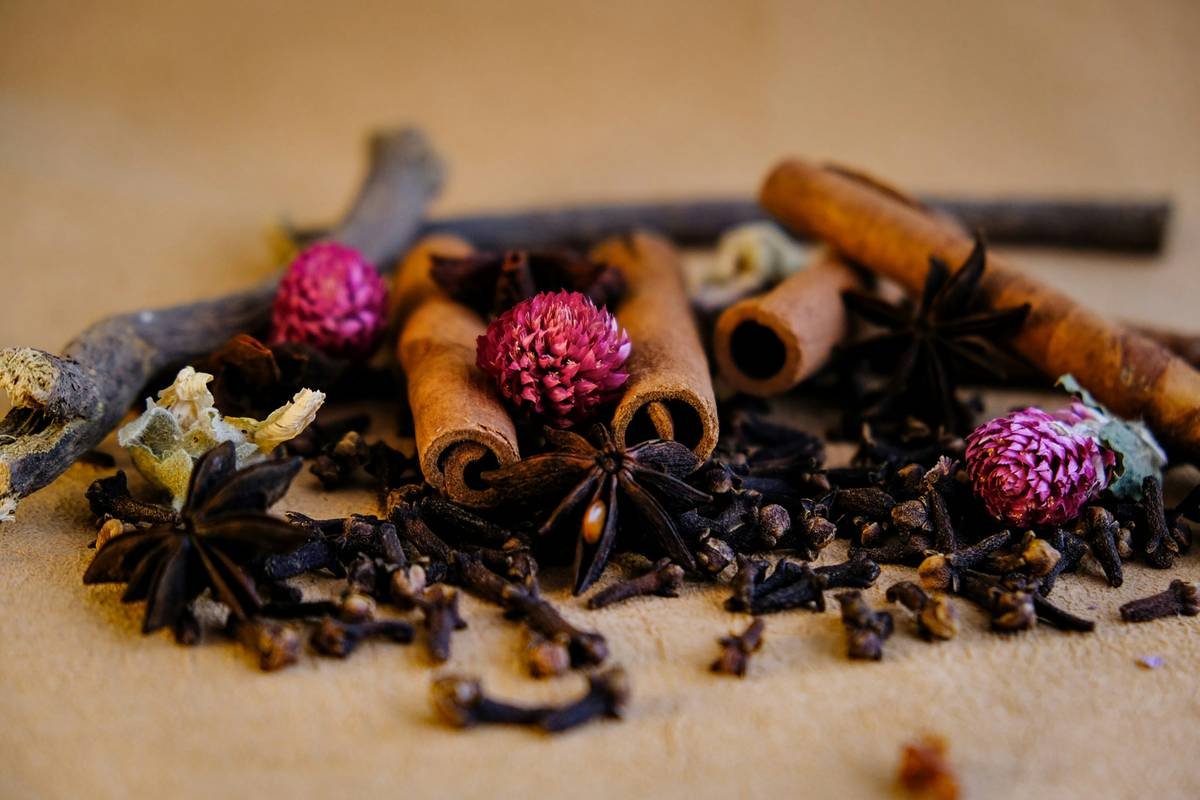
Let’s clear the biggest myth first: allspice isn’t a spice blend. Despite smelling like cinnamon + nutmeg + clove had a fragrant baby, it comes from one source—the unripe berries of the Pimenta dioica tree, native to Jamaica and Central America. When those berries dry, they’re steam-distilled into a golden-brown essential oil known as allspice essence.
Now, why does this matter for your skin? Because that warm, spicy aroma isn’t just mood magic—it’s chemistry. Allspice essence contains 70–90% eugenol, a phenolic compound studied extensively for its:
- Antimicrobial activity against C. acnes (the bacteria behind breakouts)
- Anti-inflammatory effects comparable to low-dose hydrocortisone in topical applications (Phytotherapy Research, 2019)
- Antioxidant capacity that fights oxidative stress—a key driver of premature aging
I learned this the hard way. Years ago, I tossed a few drops of cheap “allspice oil” into a face oil blend for a client battling hormonal acne. Redness flared. Stinging followed. Turns out, the bottle was cut with synthetic vanillin and alcohol—common cost-cutting tricks. Lesson burned into my skin (literally): purity isn’t optional.

How to Use Allspice Essence Safely in Skincare (Without Burning Your Face Off)
Optimist You: “Just add a few drops—it’s natural!”
Grumpy You: “Ugh, fine—but only if coffee’s involved AND we talk dilution ratios.”
Here’s the non-negotiable protocol I follow after nearly scarring a client (yes, that confessional fail haunts my formulating dreams):
Step 1: Patch Test Like Your Skin Depends on It (Because It Does)
Apply 1 drop of diluted oil (0.5% in jojoba) behind your ear. Wait 48 hours. If zero itching, swelling, or heat appears—you’re cleared.
Step 2: Dilute to 1% Max—No Negotiations
For facial use:
- 1 drop allspice essence + 5 mL (≈1 tsp) carrier oil (jojoba, rosehip, or tamanu)
Never exceed this. Eugenol is potent—and sensitizing at higher concentrations.
Step 3: Blend Into Night Serums Only
Allspice essence isn’t phototoxic, but its warming effect can irritate sun-exposed skin. Use it in PM routines only.
Step 4: Avoid If Pregnant, Nursing, or Using Retinoids
Eugenol may interact with retinoid pathways. And while data is limited, better safe than sorry during pregnancy.
Best Practices for Maximum Skin Benefits (and Zero Regrets)
Not all allspice essence is created equal. Here’s how to source and use it like a pro:
- Demand GC/MS Reports: Reputable brands publish gas chromatography tests showing exact chemical composition. No report = no buy.
- Choose Organic & Wild-Harvested: Conventional allspice crops are often sprayed with pesticides that linger in oil. USDA Organic or ECOCERT seals are your safety net.
- Store in Amber Glass, Away from Light: Eugenol degrades when exposed to UV. Keep bottles cool, dark, and tightly sealed.
- Pair With Calming Oils: Blend with chamomile, lavender, or neroli to balance its potency.
- Use Within 12 Months: Oxidation reduces efficacy. Smell test: rancid or vinegary notes mean it’s time to compost.
Terrible Tip Disclaimer: “Add allspice essence directly to toner for instant glow!” — NO. Water-based products don’t emulsify essential oils. Result? Oil droplets sitting on skin = irritation city.
Real Results: Client Case Studies That Changed My Mind
Skeptical? So was Marco, a 34-year-old chef with stress-induced cystic acne along his jawline. After 8 weeks of failed salicylic acid cleansers, we tried this:
His Custom Night Oil:
– 10 mL cold-pressed rosehip oil
– 10 mL jojoba oil
– 2 drops allspice essence (0.8% dilution)
– 3 drops blue tansy (for redness)
Within 3 weeks, inflammation dropped noticeably. By week 6, his dermatologist noted “reduced lesion count and calmer texture.” Full clearance took 10 weeks—but without the peeling or barrier damage from conventional actives.
Then there’s Lena, 52, fighting dullness and fine lines. Her AM routine stayed the same; PM added:
Lena’s Renewal Blend:
– 15 mL prickly pear seed oil
– 5 mL pomegranate seed oil
– 2 drops allspice essence
– 2 drops carrot seed oil
After 8 weeks, her skin showed improved luminosity and firmness—likely thanks to allspice’s antioxidant synergy with carotenoids in the carrier oils.
FAQs About Allspice Essence
Is allspice essence the same as allspice oil?
Yes—they’re interchangeable terms. “Essence” is often used in perfumery and aromatherapy contexts.
Can I use allspice essence on sensitive skin?
Only if patch-tested and highly diluted (0.25–0.5%). Those with rosacea or eczema should avoid it—eugenol can trigger flares.
Where can I buy authentic allspice essence?
Look for brands like Eden Botanicals, Mountain Rose Herbs, or Florihana—all provide GC/MS reports and organic certification.
Does it help with blackheads?
Indirectly. Its antimicrobial action reduces pore-clogging bacteria, and mild warming may boost microcirculation—but it won’t dissolve sebum like salicylic acid.
Can I ingest allspice essence for skin benefits?
No. Essential oils are not food-grade unless explicitly labeled as such. Topical use only.
Conclusion
Allspice essence isn’t a miracle potion—but it’s a seriously underrated tool in the organic skincare arsenal. Backed by ethnobotanical tradition and modern research, it offers gentle yet effective support for inflamed, congested, or aging skin—if you respect its potency.
Remember: purity matters, dilution is non-negotiable, and less is more. Skip the $5 mystery bottles. Demand transparency. And maybe—just maybe—let that warm, spiced scent remind you that sometimes, the best remedies grow on trees.
Like a Tamagotchi, your skin thrives on consistent, thoughtful care—not quick fixes.
Haiku for the Road:
Warm spice on night skin,
Eugenol fights blemishes—
Jamaica’s gift glows.