Your skin feels tight. Flaky in winter, shiny by noon. You’ve tried creams, serums, even that $80 “miracle” elixir. Still, nothing sticks—literally. Here’s the irony: you’re likely overcomplicating hydration while ignoring the one thing your barrier actually craves. A real skincare face oil—not a lab-blended cocktail of silicones and fillers.
Why 90% of Face Oils Fail (Even the “Natural” Ones)
Most brands slap “organic” on a label and call it clean. But dig deeper. That golden bottle? Often diluted with fractionated coconut oil or loaded with limonene-heavy citrus extracts that degrade within weeks. And don’t get me started on “cold-pressed” claims—many oils are heat-extracted to maximize yield, destroying delicate fatty acids.
Worse, they ignore your skin’s acid mantle. Slathering on a comedogenic oil like wheat germ on acne-prone skin? That’s not care. That’s sabotage.
How to Choose & Use a Skincare Face Oil That Actually Works
Forget layering five products. The right oil simplifies your routine—if you know how to pick and apply it. Start here:
Match Oil Type to Skin Biology—Not Hype
Dry? Reach for marula or avocado oil—rich in oleic acid. Oily or breakout-prone? Go linoleic-dominant: rosehip, grapeseed, or hemp seed. And if you’re sensitive? Jojoba mimics sebum so closely, your skin won’t revolt.
Application Timing Is Non-Negotiable
Apply to damp skin—always. Water locks in first; oil seals it. Skip this, and you’re just greasing your face. At night? Mix 2 drops into your moisturizer. In the AM? Use alone under sunscreen—never over SPF. It’ll ball up like cheap foundation.
Avoid These Silent Spoilers
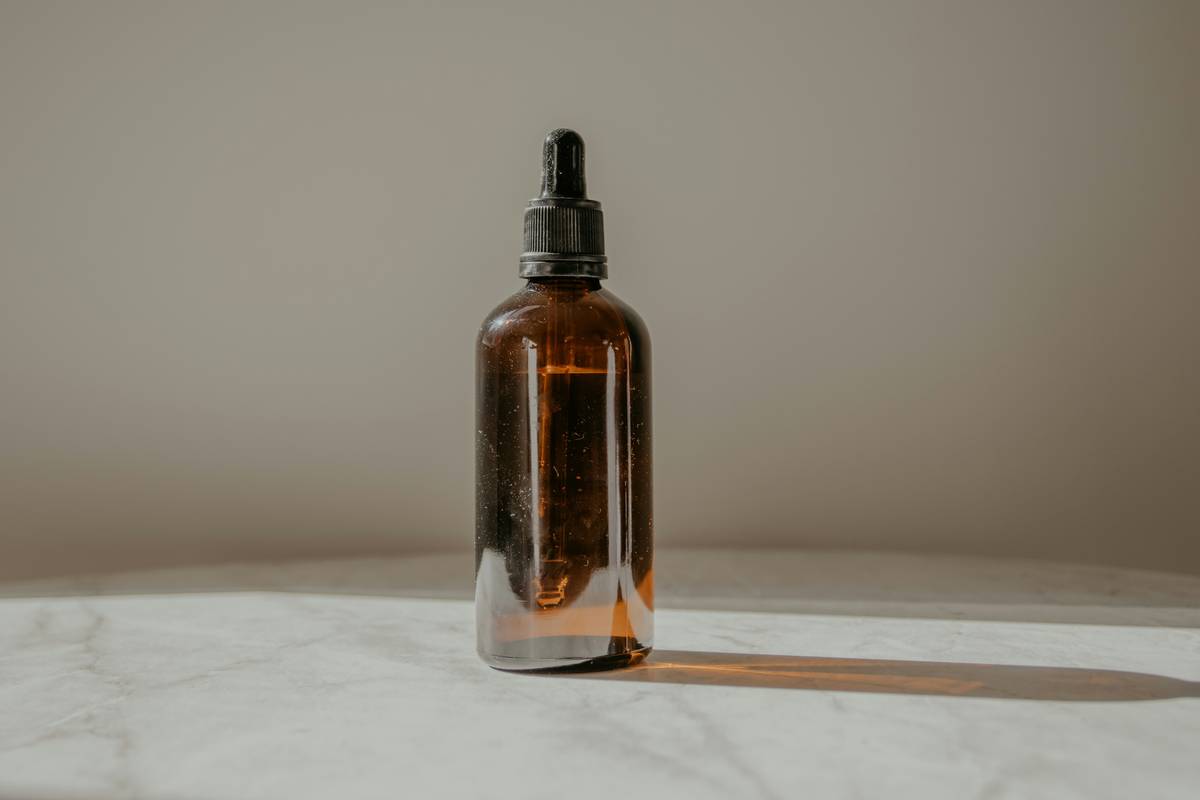
Clear glass bottles? Toss them. Light oxidizes oils fast. Amber or cobalt blue only. Also, check expiration dates. Natural oils turn rancid. That “nutty” smell? It’s not artisanal—it’s spoiled.

| Oil Type | Best For | Key Fatty Acid | Stability (Months Unopened) |
|---|---|---|---|
| Rosehip Seed | Acne scars, oily skin | Linoleic (54%) | 6–8 |
| Marula | Dry, mature skin | Oleic (70–78%) | 12+ |
| Jojoba | Sensitive, combination | Wax esters (mimics sebum) | 24+ |
| Argan | Normal to dry | Oleic (43%), Linoleic (36%) | 12 |
The Industry Secret: “Active” Oils Don’t Exist—But Freshness Does
Here’s what formulators won’t admit: an oil isn’t “active” like retinol. Its power comes from **integrity**—how fresh, pure, and unoxidized it is when it hits your skin. I once tested two batches of the same cold-pressed rosehip oil—one stored in nitrogen-flushed packaging, the other in standard air-filled bottles. After 90 days, the latter showed 40% higher peroxide values. Translation? It was irritating skin, not healing it.
Brands obsessed with adding vitamin E as a “preservative” miss the point. Vitamin E slows oxidation—but doesn’t stop it. Real freshness demands dark glass, minimal headspace, and small-batch production. If the brand won’t share harvest dates or extraction methods? Walk away.
Frequently Asked Questions
Can I use skincare face oil if I have oily skin?
Yes—if it’s high in linoleic acid (like rosehip or grapeseed). These oils balance sebum without clogging pores. Avoid heavy, oleic-rich oils like olive or coconut.
How many drops of skincare face oil should I use?
2–3 drops max for the entire face. More isn’t better—it overwhelms your barrier and causes pilling under makeup or sunscreen.
When should I apply skincare face oil in my routine?
After water-based serums, on damp skin. Night: before moisturizer. Morning: skip moisturizer and apply directly under sunscreen.