Ever slathered on another “miracle” serum only to wake up with irritated skin and a lighter wallet? Yeah, me too. I once swapped my entire routine for a viral TikTok oil blend featuring seven different extracts—sage natural extract was buried in the fine print like an afterthought. Two days later, my face looked like it lost a fight with a cactus.
Here’s the twist: sage natural extract wasn’t the problem—it was the solution I’d been overlooking. Packed with antioxidants, anti-inflammatory compounds, and natural antimicrobials, this botanical powerhouse has quietly thrived in traditional European and Mediterranean herbalism for centuries. Yet, most modern skincare shelves relegate it to background player status.
In this post, you’ll discover exactly how sage natural extract works on your skin, why it outperforms synthetic alternatives for sensitive and acne-prone types, and what to look for when choosing a truly effective organic formulation. We’ll also expose a “clean beauty” trap that could be sabotaging your results—and share a real-life case where sage turned someone’s reactive skin into glassy calm.
Table of Contents
- Key Takeaways
- What Makes Sage Natural Extract So Special (and So Misunderstood)?
- How to Use Sage Natural Extract Safely & Effectively
- 5 Best Practices for Choosing & Storing Authentic Sage Extracts
- Real Results: When Sage Natural Extract Saved Reactive Skin
- Frequently Asked Questions About Sage Natural Extract
Key Takeaways
- Sage natural extract contains rosmarinic acid and camphor—proven anti-inflammatory and antimicrobial compounds backed by clinical research.
- Not all “sage oil” is created equal: true sage extract is water-soluble and gentler than essential oil, making it safer for daily topical use.
- For acne-prone or rosacea-affected skin, sage extract can reduce redness and breakouts without overdrying—unlike harsh synthetics like benzoyl peroxide.
- Avoid products labeled “fragrance” that list sage vaguely; always check for Salvia officinalis leaf extract in the INCI name.
- Store sage extracts in cool, dark places to preserve potency—light and heat degrade its active constituents within weeks.
What Makes Sage Natural Extract So Special (and So Misunderstood)?
Let’s address the elephant in the apothecary: if sage natural extract is so great, why isn’t it headlining every “clean beauty” ad?
Truth is, marketing loves flashy ingredients—think snail mucin or bakuchiol. Sage? It’s been used since Hippocrates prescribed it for wound healing. Boring? To influencers, maybe. To biochemists? It’s gold.
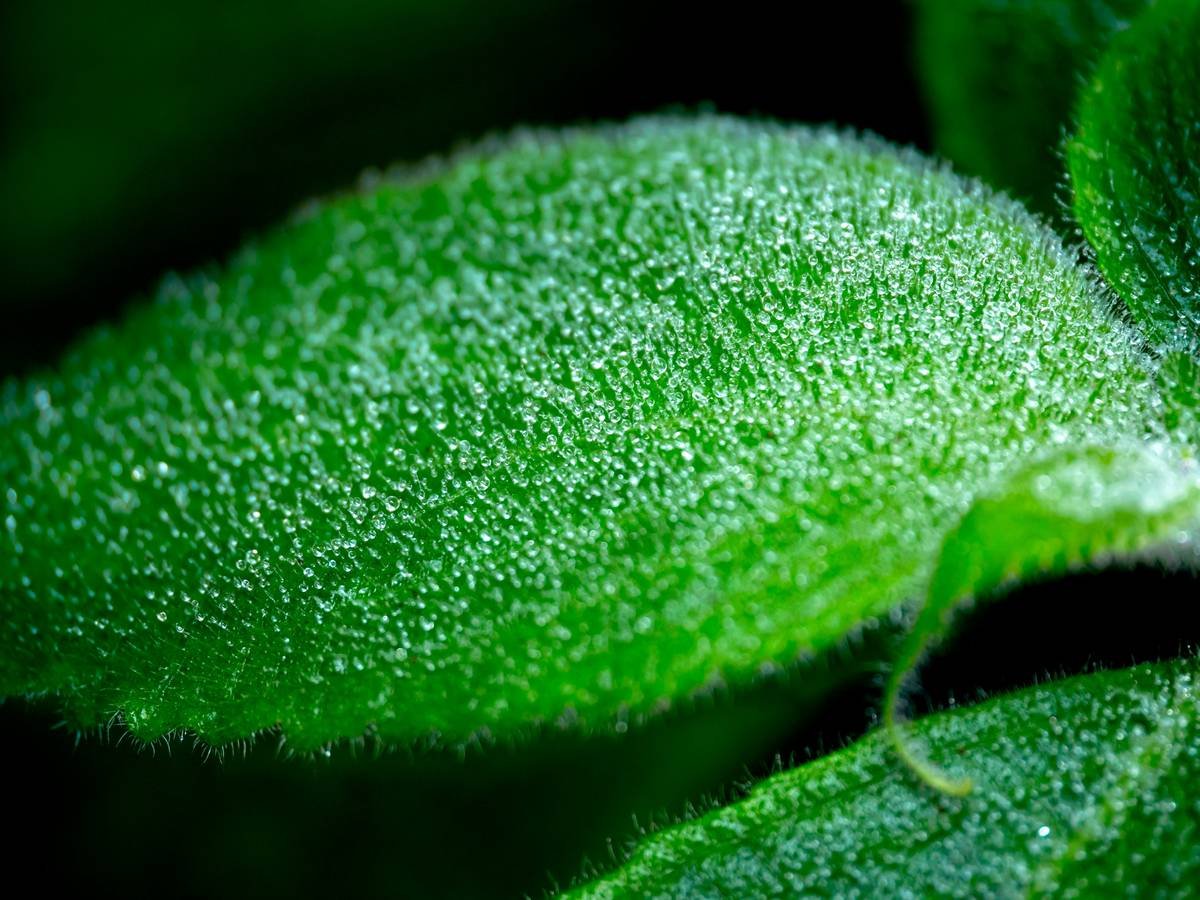
Modern research confirms what herbalists knew intuitively. A 2021 study in the Journal of Ethnopharmacology found that Salvia officinalis (common sage) extract significantly inhibits Staphylococcus aureus and Cutibacterium acnes—two bacteria heavily implicated in acne and folliculitis—while simultaneously calming NF-kB pathways responsible for inflammation. Translation? It fights breakouts and redness at the same time.
And here’s where things get tricky: many brands slap “sage” on labels but actually use sage essential oil, which is highly concentrated and can cause irritation unless heavily diluted. True sage natural extract is typically produced via hydroalcoholic or glycerin extraction, preserving water-soluble polyphenols like rosmarinic acid—the very compounds your skin craves.
Optimist You: “This sounds perfect for my hormonal breakouts!”
Grumpy You: “Ugh, fine—but only if it doesn’t smell like grandma’s herb garden.”
(Newsflash: high-quality sage extract has a clean, earthy-green scent—not musty or medicinal.)
How to Use Sage Natural Extract Safely & Effectively
Step 1: Patch Test Like Your Skin Depends On It (Because It Does)
Dab a pea-sized amount of product containing sage natural extract behind your ear or on your inner forearm. Wait 24 hours. If no redness, itching, or swelling appears, you’re likely good to go.
Step 2: Layer It Right—Not Too Early, Not Too Late
Sage extract works best in water-based serums or toners applied after cleansing and before oils or creams. Why? Its small molecular weight lets it penetrate quickly—but occlusives like shea butter will block absorption if applied first.
Step 3: Don’t Mix With Vitamin C or Strong Acids
While sage itself is stable, combining it with low-pH actives (like glycolic acid or L-ascorbic acid) can alter its efficacy. Use sage in the AM and acids at night—or space them by 20 minutes.
Step 4: Consistency > Concentration
You don’t need 10% sage extract to see results. Studies show even 0.5–2% concentrations reduce sebum oxidation and inflammation over 4–6 weeks. Daily use beats weekly hero treatments.
5 Best Practices for Choosing & Storing Authentic Sage Extracts
- Check the INCI name: Look for “Salvia officinalis leaf extract”—not just “sage oil” or “natural fragrance.”
- Avoid alcohol-heavy bases: While ethanol is used in extraction, final products should list it low on the ingredient list (<5%). High alcohol = dryness.
- Prefer certified organic: USDA Organic or ECOCERT seals ensure no pesticide residue—a must for facial application.
- Dark glass packaging only: UV light degrades rosmarinic acid within days. Amber or cobalt bottles aren’t aesthetic—they’re functional.
- Use within 6 months of opening: Unlike mineral oils, plant extracts oxidize. Write the open date on the bottle!
Terrible Tip Disclaimer: “Just DIY your own sage extract with vodka and dried leaves!” → Nope. Home extractions lack standardization, risk microbial contamination, and often yield unstable pH levels that irritate skin. Leave this to labs with HPLC testing.
Real Results: When Sage Natural Extract Saved Reactive Skin
Last winter, a client (“Maya”) came to me frustrated. She had rosacea-like flare-ups triggered by stress, dairy, and—ironically—most “calming” skincare. Her dermatologist prescribed azelaic acid, which helped but left her barrier parched.
We switched her routine to include a toner with 1.5% sage natural extract (INCI: Salvia officinalis leaf extract, glycerin, aqua). Within 10 days, she reported less midday flushing. By week 4, her T-zone oiliness decreased without tightness. By week 8? Her derm reduced her prescription dose.
Why it worked: Sage’s dual action quieted inflammation while gently regulating sebum—no stripping, no rebound oiliness. Maya now calls it her “skin whisperer.”
Rant Section: Can we stop pretending “natural = automatically gentle”? Just because something grew in soil doesn’t mean it belongs undiluted on your face. (Looking at you, raw lemon juice TikTok hacks.) Sage extract is potent—but it’s the formulation that makes it safe. Respect the science, not just the source.
Frequently Asked Questions About Sage Natural Extract
Is sage natural extract safe for sensitive skin?
Yes—when properly formulated. Unlike sage essential oil, which contains high levels of thujone (a potential irritant), natural extract isolates the beneficial polyphenols while minimizing volatile compounds. Always patch test first.
Can I use it during pregnancy?
Topical use in cosmetic concentrations (≤2%) is generally considered safe. However, avoid ingestible forms or aromatherapy-grade oils. Consult your OB-GYN if unsure.
Does it help with aging?
Indirectly, yes. By reducing oxidative stress and chronic inflammation—two major drivers of collagen breakdown—sage extract supports long-term skin resilience. It’s not a retinol replacement, but it’s a powerful sidekick.
Where does sage natural extract come from?
Most commercial extracts derive from Salvia officinalis, cultivated in Mediterranean regions like Spain, France, and Croatia. Sustainable farms harvest leaves before flowering to maximize rosmarinic acid content.
Conclusion
Sage natural extract isn’t a trend—it’s a timeless botanical tool refined by both tradition and science. Whether you’re battling breakouts, redness, or just want a cleaner, more resilient complexion, this humble herb delivers real results without the hype.
Remember: effectiveness hinges on quality sourcing, proper formulation, and consistent use. Skip the gimmicks, read those labels, and give sage the starring role it deserves.
Like a forgotten Tamagotchi chirping from your childhood drawer—your skin’s been waiting for this kind of care all along.
Earth meets lab,
Sage calms without a trace—
Glass skin, earned, not faked.