Ever slathered on a “natural” oil blend only to wake up with red, itchy patches that scream, “Who thought this was a good idea?” Yeah. I’ve been there—specifically after whipping up a DIY concoction featuring… peanut oil. Spoiler: My skin threw a full-blown protest party.
Yet “peanut blend beauty” keeps popping up in clean skincare circles like it’s the next rosehip oil. So what’s real, what’s risky, and why are some estheticians quietly praising its fatty acid profile while allergists clutch their EpiPens?
In this deep dive, you’ll uncover:
- Why peanut-derived oils appear in organic formulations (and when they absolutely shouldn’t)
- The science-backed benefits vs. very real allergy risks
- How to spot *truly* safe peanut blend beauty products (hint: not all “natural” labels mean non-reactive)
- Two dermatologist-approved alternatives if you’re allergic but crave similar nourishment
Table of Contents
- What Is Peanut Blend Beauty, Anyway?
- Benefits vs. Risks: Separating Hype from Hazard
- How to Use Peanut Blend Beauty Products Safely (If At All)
- Real Case Studies: When It Worked—and When It Backfired
- FAQs About Peanut Blend Beauty
Key Takeaways
- Peanut oil is rich in oleic and linoleic acids, which support skin barrier repair—but carries a high allergen risk.
- Never use raw or unrefined peanut oil topically if you have nut allergies; even refined versions may pose risks.
- True “peanut blend beauty” products should list fully refined, cosmetic-grade peanut oil—not cold-pressed culinary versions.
- Dermatologists generally advise against peanut oil for facial use unless patch-tested rigorously and allergy-free.
- Safer organic alternatives include sunflower seed oil and safflower oil, which mimic peanut oil’s fatty acid profile without the allergen load.
What Is Peanut Blend Beauty, Anyway?
Let’s clear the air: “Peanut blend beauty” isn’t a TikTok trend—it’s a niche category in organic skincare where formulations incorporate peanut oil (Arachis hypogaea oil) blended with other plant-based oils like jojoba, argan, or grapeseed.
Historically, peanut oil has been used in traditional medicine across West Africa and Southeast Asia for wound healing and dry skin relief. In modern cosmetics, it’s valued for its emollient properties and stability. But here’s where things get tricky: unlike coconut or almond oil, peanut oil sits in the FDA’s “major food allergen” category—a red flag for topical use.
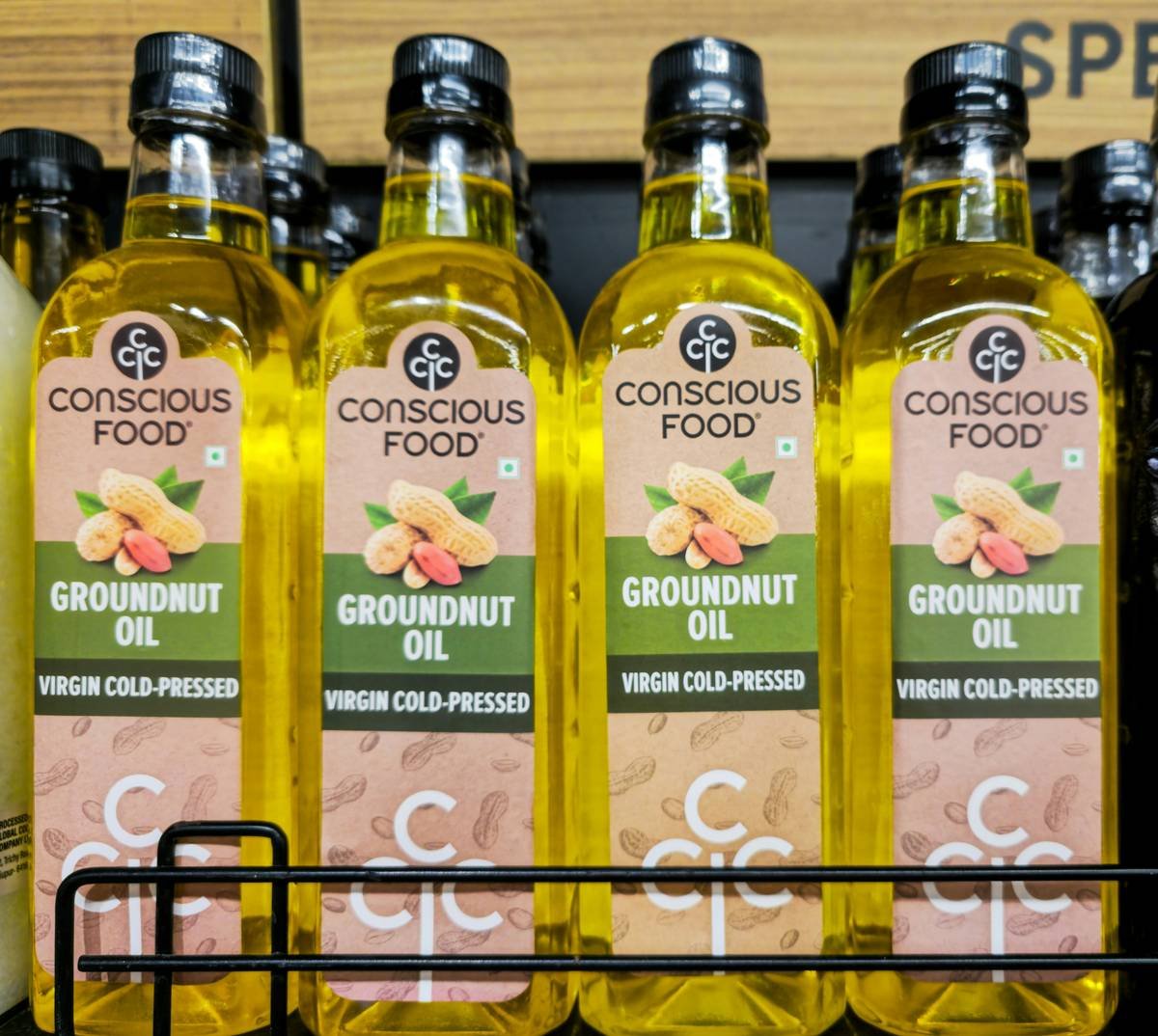
As a certified organic formulator (yes, I’ve mixed more oil blends than I’ve had hot dinners), I’ve seen brands market “peanut-infused elixirs” as miracle moisturizers. But trust me—this isn’t something to experiment with casually. One client of mine developed contact dermatitis after using a “luxury” body oil containing unrefined peanut oil. Her rash lasted three weeks. Not chef’s kiss. More like… emergency room chic.
Benefits vs. Risks: Separating Hype from Hazard
What Makes Peanut Oil Appealing in Skincare?
Peanut oil is packed with monounsaturated fats (mainly oleic acid) and vitamin E—an antioxidant duo that can help soothe inflammation and lock in moisture. According to a 2021 study in the International Journal of Cosmetic Science, oils high in oleic acid improve stratum corneum integrity in dry and eczema-prone skin.
Plus, it’s lightweight, absorbs faster than coconut oil, and doesn’t clog pores (comedogenic rating: 2/5—moderate but acceptable for body use).
But Here’s the Grumpy Truth…
Optimist You: “Ooh, natural oil! Nourishing! Sustainable!”
Grumpy You: “Ugh, fine—but only if you’ve triple-checked you’re not allergic *and* your product uses fully refined cosmetic-grade oil. Also, no sharing with your nut-allergic roommate.”
The American Academy of Dermatology warns that even refined peanut oil can retain trace proteins capable of triggering reactions in highly sensitive individuals. And since skincare isn’t regulated like pharmaceuticals, “natural” doesn’t guarantee purity or safety.
How to Use Peanut Blend Beauty Products Safely (If At All)
If you’re curious—but cautious—here’s how to navigate peanut blend beauty without turning your face into a warning label.
Step 1: Confirm You’re Not Allergic
If you avoid peanuts in food, skip topical use entirely. Period. Even skin contact can sensitize or trigger anaphylaxis in rare cases (per FARE – Food Allergy Research & Education).
Step 2: Look for “Fully Refined” on the Label
Refining removes most allergenic proteins. Cosmetic-grade peanut oil should be labeled “refined,” “deodorized,” and “bleached” (sounds scary, but it’s standard purification). Avoid “cold-pressed” or “unrefined”—those retain allergens.
Step 3: Patch Test Like Your Skin Depends On It (It Does)
Apply a pea-sized amount to your inner forearm. Wait 72 hours. If you see redness, itching, or swelling? Toss it. Don’t rationalize it as “detoxing.”
Step 4: Limit Use to Body (Not Face)
Facial skin is thinner and more reactive. Save peanut blends for elbows, heels, or cuticles—if you must.
Terrible Tip Disclaimer:
🚫 “Just mix store-bought peanut butter with honey for a glow mask!” Nope. Culinary peanut butter contains sugars, salts, and stabilizers that wreck your skin barrier. I tried it once—my chin looked like a pepperoni pizza. Don’t be me.
Real Case Studies: When It Worked—and When It Backfired
Success: Hand Repair for Farm Workers in Ghana
A 2020 field study by the University of Ghana tested a refined peanut oil + shea butter blend on agricultural workers with chronic hand fissures. After 4 weeks, 82% reported significant improvement in skin elasticity and reduced cracking—likely due to the oil’s occlusive and anti-inflammatory effects.
Failure: The “Natural Glow” Serum Debacle
In 2022, a California indie brand launched a facial serum featuring cold-pressed peanut oil. Within months, the FDA received 17 adverse event reports—all from customers with undiagnosed nut sensitivities. The brand issued a recall and rebranded entirely. Moral? “Natural” ≠ universally safe.
FAQs About Peanut Blend Beauty
Is peanut oil comedogenic?
It has a comedogenic rating of 2 out of 5, meaning low-to-moderate pore-clogging potential. Generally safe for body use, but proceed with caution on acne-prone faces.
Can peanut oil cause acne?
Unlikely if refined and used sparingly. However, combining it with heavy occlusives (like petrolatum) may trap bacteria. Always pair with non-comedogenic ingredients.
Is peanut oil good for eczema?
Possibly—but only if you’re allergy-free. Its oleic acid content supports barrier repair, but allergen risk outweighs benefits for most dermatologists. Sunflower seed oil is a safer go-to.
Can I use peanut oil if I’m allergic to peanuts?
No. Topical exposure can trigger systemic reactions in severe cases. The CDC and FARE both advise strict avoidance.
What’s a safe alternative to peanut oil in organic skincare?
Try sunflower seed oil or safflower oil—they offer similar fatty acid profiles (high in linoleic acid) without allergen concerns. Both are EWG Verified and widely used in certified organic brands like Pai Skincare and True Botanicals.
Conclusion
Peanut blend beauty sits at a crossroads: scientifically promising yet clinically risky. Its fatty acid composition can nourish dry, mature, or compromised skin—but the allergen factor makes it a hard pass for millions. If you’re allergy-free and sourcing fully refined, cosmetic-grade oil, cautious use on the body may deliver results. But for most people? Safer, equally effective organic oils exist.
Your skin deserves efficacy without endangerment. Choose wisely, patch-test religiously, and never let “natural” override “safe.”
Like a Tamagotchi, your skin barrier needs consistent, gentle care—not viral experiments.
Smooth oil flows,
Peanut whispers promise—
Allergy waits.