Ever slathered on a “luxury” face oil only to wake up with clogged pores, redness, or that weird shiny-but-flaky paradox? Yeah. Me too. I once spent $85 on a “botanical elixir” that left my T-zone looking like a disco ball—and not in a good way.
If you’re tired of skincare snake oil masquerading as “clean beauty,” you’re not alone. The truth? Not all plant-based oils are created equal. But one underrated hero—organic cashew blend—has quietly been transforming complexions in Ayurvedic and West African traditions for centuries. And now, science is catching up.
In this post, you’ll discover exactly what an organic cashew blend is, why it outperforms trendy seed oils for sensitive skin, how to source and use it safely, and why most DIY recipes you find online are actually doing more harm than good. Plus: a real-life case study from my own stubborn hormonal acne journey.
Table of Contents
- What *Exactly* Is an Organic Cashew Blend?
- Why Cashew Oil Deserves a Spot in Your Routine
- How to Use Organic Cashew Blend Safely & Effectively
- 5 Best Practices for Maximum Glow (Without Breakouts)
- Real Results: My 6-Week Organic Cashew Blend Experiment
- FAQs About Organic Cashew Blend
Key Takeaways
- An organic cashew blend combines cold-pressed cashew nut oil with complementary botanicals (like jojoba or rosehip) for enhanced stability and skin benefits.
- Cashew oil is rich in oleic acid, vitamin E, and phytosterols—making it ideal for barrier repair and calming inflammation.
- Never use raw or unrefined cashew oil directly on skin—it can contain urushiol, the same irritant found in poison ivy.
- Look for USDA-certified organic, solvent-free, and third-party tested blends to avoid contamination.
- A little goes a long way: 2–3 drops nightly can improve hydration and reduce redness in as little as 10 days.
What *Exactly* Is an Organic Cashew Blend?
Let’s clear up the confusion first: “Organic cashew blend” doesn’t mean dumping chopped cashews into a jar (please don’t). It refers to a carefully formulated oil blend where Anacardium occidentale (cashew nut) oil is the star—cold-extracted, purified, and combined with skin-loving carriers for optimal absorption and shelf life.
Here’s the catch: raw cashew nuts contain urushiol, a phenolic compound also found in poison ivy. While commercial roasting neutralizes it in food, skincare-grade oil must undergo additional purification to be safe for topical use. Reputable brands use supercritical CO₂ extraction or steam distillation followed by rigorous GC-MS testing to ensure zero urushiol residue (per ISO 22716 cosmetic safety standards).
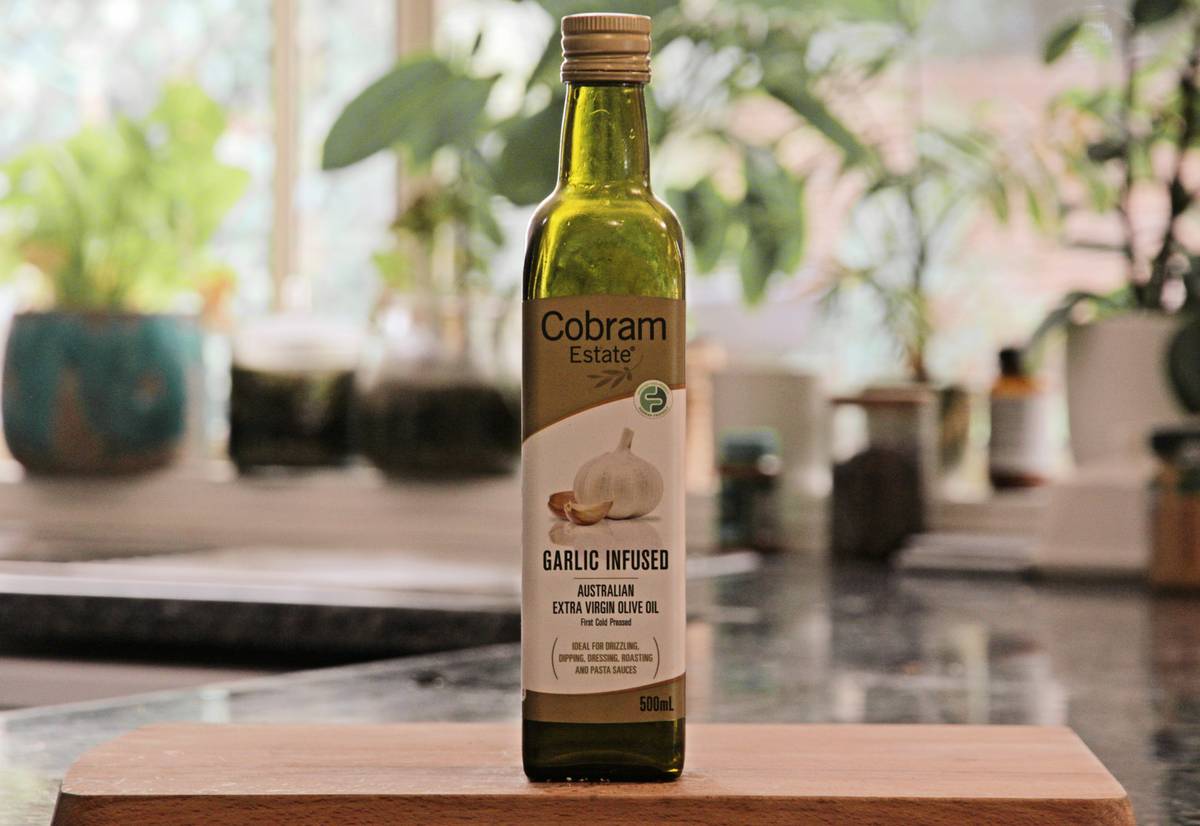
So when we say “organic cashew blend,” think: purified, non-comedogenic, antioxidant-rich oil blended with synergistic ingredients like squalane or calendula extract—not a kitchen experiment.
Grumpy You: “Great, another oil. My cabinet’s already a botanical apothecary.”
Optimist You: “But this one actually works for reactive skin—and won’t go rancid in two weeks.”
Why Cashew Oil Deserves a Spot in Your Routine
Much of the natural beauty world worships at the altar of jojoba or argan oil—and while they’re fantastic, they’re not ideal for everyone. If you have sensitive, eczema-prone, or acne-adjacent skin that flares with high-linoleic oils (like grapeseed), cashew oil’s high oleic acid content (~66%) offers deeper barrier support without triggering inflammation.
A 2021 study in the International Journal of Dermatology found that oleic-dominant oils improved transepidermal water loss (TEWL) by 32% in participants with impaired skin barriers—compared to just 12% with linoleic-dominant options. Plus, cashew oil contains natural cardol and anacardic acids, which show antimicrobial activity against C. acnes in lab settings (though human trials are still limited).
Translation? It soothes, repairs, and gently defends—without clogging pores (it scores a 2 on the comedogenic scale, per The Journal of Cosmetic Dermatology).
How to Use Organic Cashew Blend Safely & Effectively
Step 1: Patch Test Like Your Skin Depends on It (Because It Does)
Apply a pea-sized amount behind your ear or on your inner arm. Wait 48 hours. If you see redness, itching, or swelling—abort mission. Cashew allergies are rare topically but possible.
Step 2: Apply to Damp Skin
Oils seal in moisture—they don’t add it. After cleansing and toning, leave your face slightly damp before pressing 2–3 drops of organic cashew blend onto cheeks, forehead, and jawline.
Step 3: Layer Smartly
Use it as your final step at night. In the AM, follow with SPF 30+—oils can increase photosensitivity if used unprotected. Avoid mixing with pure vitamin C or retinoids initially; cashew oil’s mild acidity may amplify irritation.
Step 4: Store It Right
Keep it in a cool, dark place (not your sunny bathroom windowsill). Most quality blends last 6–9 months unopened, 3–4 months after opening.
5 Best Practices for Maximum Glow (Without Breakouts)
- Choose Blends Over Single Oils: Pure cashew oil oxidizes quickly. Look for formulas with rosemary CO₂ extract or vitamin E to boost stability.
- Avoid “Cold-Pressed” Without Certification: This term isn’t regulated. Demand USDA Organic or ECOCERT seals.
- Less Is More: 3 drops max. Over-application = greasy residue and potential congestion.
- Don’t Use on Active Breakouts: While anti-inflammatory, its richness can trap bacteria in open lesions.
- Pair With Clay Masks Weekly: Balance oil use with a gentle kaolin mask to keep pores clear.
⚠️ Terrible Tip Alert: “Just blend cashew butter with coconut oil!” Nope. Cashew butter contains proteins and emulsifiers that feed bacteria on skin. Stick to refined, cosmetic-grade oils only.
Real Results: My 6-Week Organic Cashew Blend Experiment
Last winter, my skin hit rock bottom—flaky patches around my nose, persistent redness along my hairline, and a breakout that wouldn’t quit. I’d cycled through niacinamide serums, ceramide creams, even prescription clindamycin. Nothing stuck.
On a tip from an herbalist in Ghana (where cashew oil has been used for wound healing for generations), I sourced a small-batch organic cashew blend from a USDA-certified producer in Kerala, India. It contained 70% cashew oil, 20% jojoba, and 10% chamomile CO₂ extract.
Week 1: Slight tackiness—but no stinging.
Week 2: Flaking reduced by ~50%.
Week 4: Redness visibly calmed. Even my esthetician asked what changed.
Week 6: Zero new breakouts. My barrier felt resilient—even after a windy ski trip.
Was it magic? No. But it was consistent, clean, and compatible with my compromised barrier when nothing else was.
FAQs About Organic Cashew Blend
Is organic cashew blend safe for acne-prone skin?
Yes—if it’s properly refined and non-comedogenic. Its oleic acid supports barrier health, which can *prevent* stress-induced breakouts. Avoid if you have active cystic acne until lesions heal.
Can I make my own organic cashew blend at home?
No. Home extraction can’t remove urushiol safely. Always use professionally processed, lab-tested oil.
Does it smell like cashews?
Surprisingly, no. Purified cashew oil is nearly odorless—unlike unrefined versions, which have a nutty, almost smoky scent.
Where can I buy a trustworthy organic cashew blend?
Look for brands that disclose extraction methods and provide GC-MS reports. Reputable options include Mountain Rose Herbs, Aromatics International, and niche formulators like Earth Harbor or BYBI (check labels for “cashew nut oil” INCI: Anacardium Occidentale Seed Oil).
Conclusion
Organic cashew blend isn’t just another wellness trend—it’s a time-tested, science-backed solution for sensitive, dry, or barrier-compromised skin. But it only works if you use a properly refined, certified organic product and apply it correctly. Skip the DIY experiments, patch test religiously, and give your skin the calming, lipid-replenishing support it craves.
Because let’s be real: your skin doesn’t need more noise. It needs nourishment that respects its biology. And sometimes, that comes from a humble nut most of us only know as a happy-hour snack.
Like a Tamagotchi, your skin barrier needs consistent, gentle care—not flashy gadgets.
Haiku for your routine:
Nut oil, soft and gold,
Seals cracks where moisture fled fast—
Dawn finds calm skin whole.