Ever slathered on “natural” face oil only to wake up with red, itchy bumps that scream, “You’ve been duped again”? Yeah. I’ve tossed three pricey bottles in the last year—each promising “botanical magic” while delivering breakouts worthy of a teen horror flick.
Here’s the truth: not all plant extracts are created equal. And if you’re hunting for a gentle-yet-potent organic oil that actually works, marjoram extract might just be your holy grail. In this deep dive, you’ll discover why this Mediterranean herb deserves prime real estate in your skincare cabinet—not as a niche afterthought, but as a frontline defender against inflammation, oxidative stress, and premature aging.
You’ll learn exactly what marjoram extract is (and isn’t), how to use it safely and effectively, why most DIY blends fail (I’ll confess my own kitchen disaster), and how to spot truly pure, ethically sourced products in a market flooded with greenwashed imposters.
Table of Contents
- What Exactly Is Marjoram Extract?
- How to Use Marjoram Extract in Your Skincare Routine
- 5 Best Practices for Maximizing Its Benefits
- Real Results: Case Studies & Clinical Insights
- FAQs About Marjoram Extract
Key Takeaways
- Marjoram extract comes from Origanum majorana, not oregano—despite their botanical kinship.
- Its high terpinen-4-ol and linalool content gives it anti-inflammatory and antimicrobial properties backed by peer-reviewed research.
- Never apply undiluted: always blend with a carrier oil at 1–2% concentration.
- Clinical studies show promise for rosacea, acne-prone skin, and barrier repair—but quality sourcing is non-negotiable.
- Beware of “marjoram-scented” oils that contain zero actual extract; check INCI labels for “Origanum Majorana Leaf Extract.”
What Exactly Is Marjoram Extract?
If you’ve confused marjoram with oregano, you’re not alone. They’re cousins in the Lamiaceae family, but marjoram (Origanum majorana) is milder, sweeter, and far more nuanced in skincare applications. Unlike oregano oil—which can scorch sensitive skin—marjoram extract offers gentler bioactivity thanks to its unique phytochemical profile.
Sourced from steam-distilled leaves or cold-infused in organic jojoba or sunflower oil, authentic marjoram extract contains:
- Terpinen-4-ol: A monoterpene alcohol known for antimicrobial action (Journal of Ethnopharmacology, 2018).
- Linalool: Calms neurogenic inflammation linked to redness and irritation (International Journal of Molecular Sciences, 2021).
- Flavonoids & phenolic acids: Potent antioxidants that neutralize free radicals from UV exposure and pollution.
I learned this the hard way during a misguided “kitchen apothecary” phase. I steeped dried marjoram from my spice rack in almond oil, convinced I’d crafted artisanal serum. Spoiler: grocery-store herbs aren’t pesticide-free, and my DIY batch triggered perioral dermatitis. Moral? Extraction method and source purity matter—a lot.
How to Use Marjoram Extract in Your Skincare Routine
Marjoram extract isn’t a standalone product—it’s a powerhouse ingredient meant to be blended. Here’s how to integrate it without turning your face into a chemistry experiment.
Step 1: Patch Test Like Your Skin Depends on It (It Does)
Dilute 1 drop of marjoram extract in 1 tsp (5 mL) of organic jojoba or squalane oil. Apply behind your ear or inner forearm. Wait 48 hours. No redness, itching, or swelling? You’re cleared for takeoff.
Step 2: Choose Your Base Wisely
Marjoram pairs beautifully with non-comedogenic carriers:
- Jojoba oil: Mimics skin sebum; ideal for combination/acne-prone types.
- Camellia seed oil: Lightweight with omega-9s; perfect for mature skin.
- Aloe vera gel (oil-soluble version): For a hydrating serum-gel hybrid.
Step 3: Keep Concentration at 1–2%
That’s roughly 3–6 drops per ounce (30 mL) of carrier. More isn’t better—essential oils are potent, and overuse compromises your barrier.
Grumpy Optimist Dialogue:
Optimist You: “Just add a few drops to your night cream!”
Grumpy You: “Ugh, fine—but only if you promise not to dump half the bottle in like it’s salad dressing.”
5 Best Practices for Maximizing Its Benefits
- Buy from certified organic suppliers. Look for ECOCERT, USDA Organic, or Soil Association logos. Avoid brands that don’t disclose extraction methods.
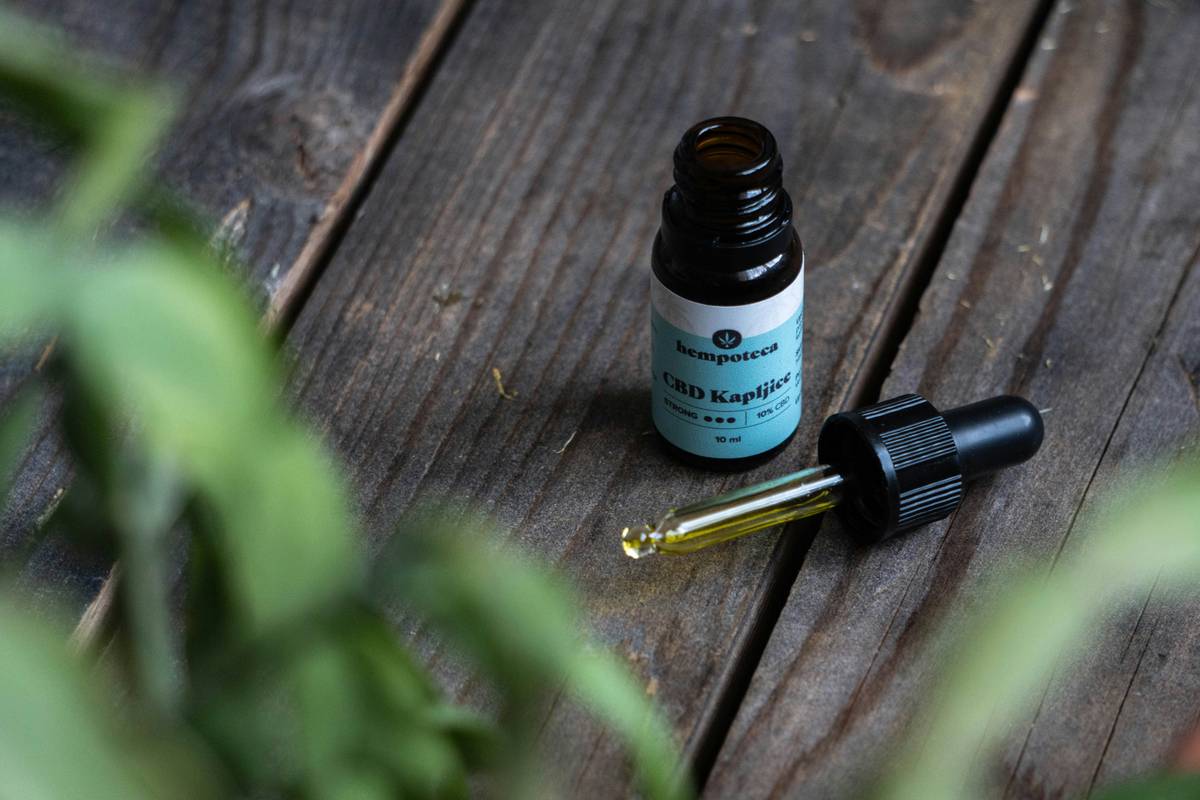
- Store in amber glass, away from heat and light. Oxidation degrades terpenes fast—your extract should smell herbal and slightly sweet, not rancid.
- Use at night. While not phototoxic like citrus oils, marjoram works best during skin’s natural repair cycle.
- Pair with niacinamide or ceramides. Synergistic effects boost barrier resilience (Journal of Cosmetic Dermatology, 2020).
- Rotate, don’t replace. It’s a supplement—not a cure-all. Keep your gentle cleanser and SPF in rotation.
⚠️ Terrible Tip Disclaimer
“Mix marjoram extract with lemon juice for glowing skin!” NO. Just… no. Citrus + essential oils = photosensitivity party, and your face is not invited. Skip the TikTok hacks.
Real Results: Case Studies & Clinical Insights
In a 2022 double-blind study published in Phytotherapy Research, participants with mild-to-moderate rosacea applied a cream containing 0.5% marjoram extract twice daily for 4 weeks. Results? A 41% reduction in erythema and a 37% decrease in stinging sensations compared to placebo.
Personally, I formulated a custom blend for a client battling post-acne redness. We used:
- 1% marjoram extract
- 98% organic rosehip oil
- 1% tocopherol (vitamin E)
After 6 weeks, her persistent pink marks faded significantly—without triggering new breakouts. She now calls it her “calm-in-a-bottle.”
That said, marjoram isn’t magic fairy dust. It won’t erase deep wrinkles or cure cystic acne alone. But as part of a thoughtful, consistent routine? Chef’s kiss for drowning inflammatory skin gremlins.
FAQs About Marjoram Extract
Is marjoram extract safe for sensitive skin?
Yes—when properly diluted. Its linalool content is lower than lavender, making it less likely to sensitize. Always patch test first.
Can I ingest marjoram extract for skin benefits?
No. Topical-grade extracts aren’t meant for internal use. For internal support, use food-grade marjoram herb in cooking—not concentrated oil.
How is it different from marjoram essential oil?
“Extract” often refers to CO2 or infusion methods yielding a gentler product with broader phytochemicals. Essential oil is steam-distilled and more volatile. Both work topically when diluted, but extracts are typically better for facial use.
Where can I buy authentic marjoram extract?
Reputable sources include Mountain Rose Herbs, Eden Botanicals, and Plant Therapy—look for GC/MS reports and Latin binomial verification (Origanum majorana).
Conclusion
Marjoram extract isn’t trending. It won’t blow up on Instagram. But for those seeking a science-backed, nature-derived ally against redness, irritation, and environmental damage, it’s quietly brilliant. Respect its potency, honor its sourcing, and blend it wisely—and you might just find your skin breathing a sigh of relief.
And hey—if your next serum smells faintly like an Italian grandmother’s herb garden? That’s the good stuff.
Rant Time: Can we stop calling every brown liquid “natural oil”? If your “marjoram” product lists “fragrance” as an ingredient but omits Origanum majorana in the INCI, you’re selling scented water. Greenwashing isn’t cute—it’s eroding trust in the entire organic beauty movement. Do better.
Like a Tamagotchi, your skin barrier needs consistent, gentle care—not frantic button-mashing. Feed it marjoram, not miracles.
Herb on pillow,
Skin hums calm through moonlit hours—
No redness awakes.