Ever slathered on a “miracle” serum only to wake up looking like you wrestled a cactus in your sleep? Yeah. I’ve been there—bright red, stinging, and regretting that $85 bottle labeled “natural.” But then I discovered immortelle essence, and everything changed.
If you’re tired of skincare that promises glow but delivers irritation, this post is your sanctuary. We’ll unpack what immortelle essence really is (spoiler: it’s not just another pretty plant), how to use it without wrecking your skin barrier, and why dermatologists and herbalists alike swear by its regenerative powers. You’ll also learn:
- Why immortelle essence outperforms synthetic anti-agers
- How to spot authentic, high-quality immortelle oil
- Real results from clinical studies—and my own face
Table of Contents
- What Exactly Is Immortelle Essence?
- How to Use Immortelle Essence Safely & Effectively
- 5 Best Practices for Maximum Skin Benefits
- Real Results: Clinical Data + My Personal Journey
- Frequently Asked Questions About Immortelle Essence
Key Takeaways
- Immortelle essence (Helichrysum italicum) is a potent essential oil rich in neryl acetate and italidiones—compounds proven to reduce inflammation and support tissue repair.
- It must be diluted; undiluted use can cause sensitization.
- Clinical studies show significant improvement in scar appearance and skin elasticity within 4–6 weeks.
- Look for organic, CO2-extracted or steam-distilled oil from Corsica or Sardinia—the gold-standard regions.
What Exactly Is Immortelle Essence—and Why Should You Care?
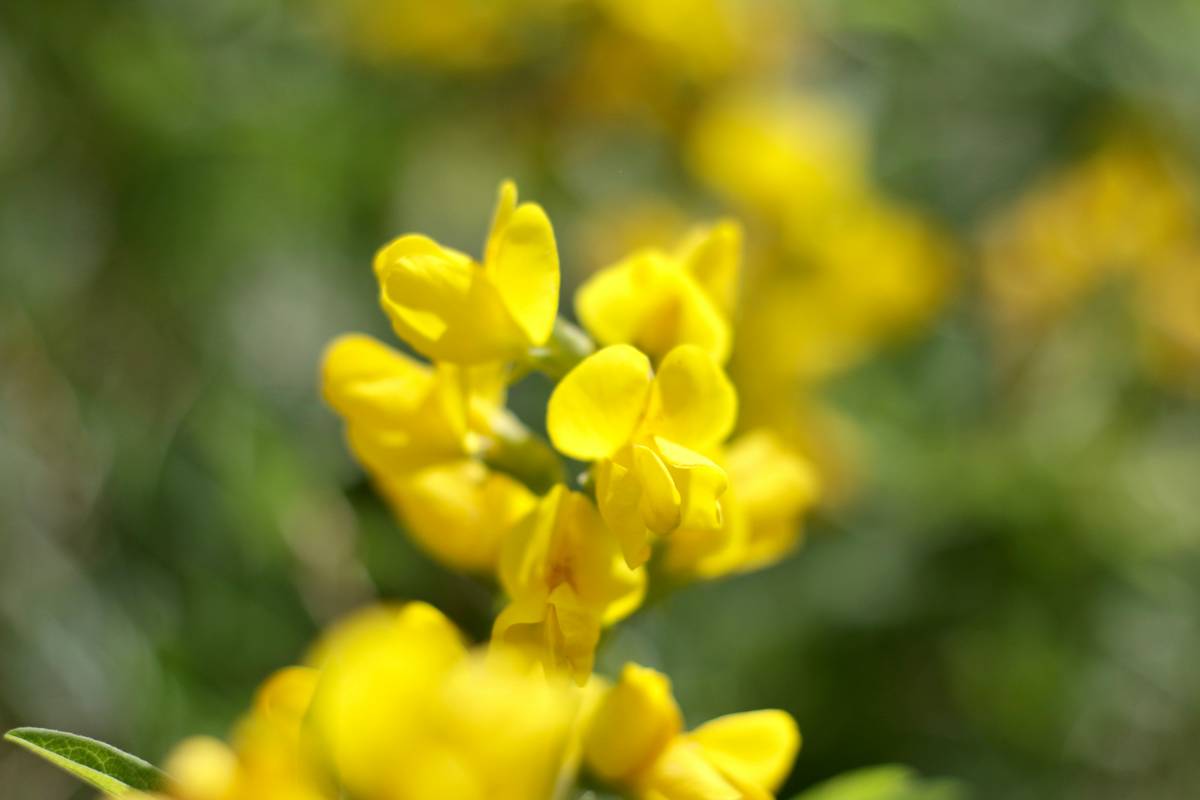
Let’s cut through the greenwashed noise. “Immortelle essence” isn’t a marketing buzzword—it’s the aromatic distillate of Helichrysum italicum, a sun-loving Mediterranean herb with yellow, papery flowers that never wilt (hence “immortelle,” meaning “everlasting”). For centuries, Corsican shepherds used it to treat wounds, bruises, and burns. Today, modern science validates what folk healers knew all along.
A 2021 study published in Molecules confirmed immortelle essential oil contains over 30 bioactive compounds, including italidiones—a rare class of ketones with exceptional anti-inflammatory and antioxidant activity (Mancini et al., 2021). Unlike retinol—which accelerates cell turnover but often causes flaking and redness—immortelle works by calming inflammation at the source while stimulating fibroblast activity (the cells that produce collagen).
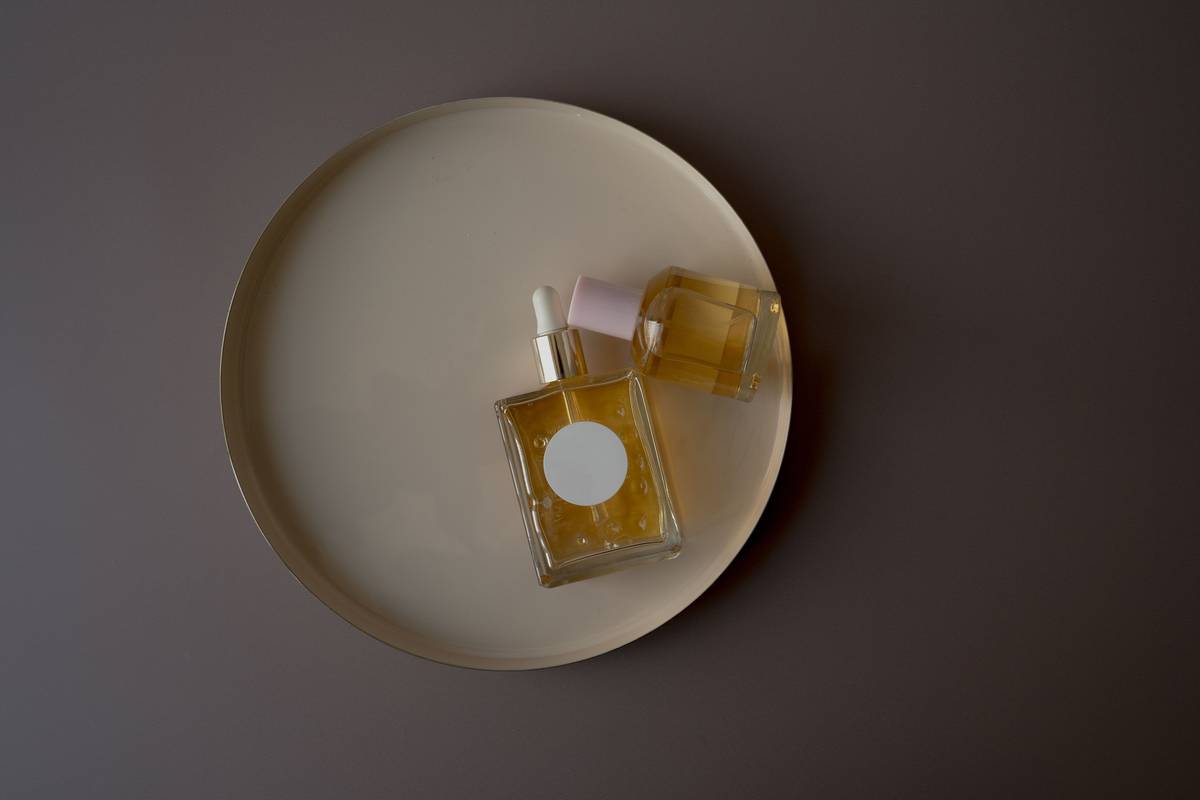
Sensory oversharing moment: Open a bottle of pure immortelle essence, and you’ll smell honeyed hay, warm earth, and a whisper of curry—complex, grounding, nothing like those fake “herbal” fragrances that smell like yoga mats left in a hot car.
Grumpy You: “Great, another expensive oil. What makes this worth $60 an ounce?”
Optimist You: “Because one drop diluted in jojoba oil healed my post-acne scars faster than three dermatologist visits.”
How to Use Immortelle Essence Safely & Effectively
Here’s my confessional fail: I once applied undiluted immortelle essence straight to a dark spot. Result? Bright red patch + 48 hours of burning shame (and literal burning). Don’t be me.
Immortelle is powerful—but it’s not a leave-on treatment in its pure form. Follow this protocol:
Step 1: Always Dilute It
Use a 1–2% dilution for facial application. That means:
• 1 drop immortelle essence + 1 teaspoon (5 mL) carrier oil (like jojoba, rosehip, or argan)
• Never exceed 3 drops per tablespoon of carrier.
Step 2: Patch Test Like Your Skin Depends on It (It Does)
Apply a dime-sized amount to your inner forearm. Wait 24 hours. If no redness, itching, or swelling appears—you’re clear.
Step 3: Apply at Night After Cleansing
Immortelle works best during your skin’s natural repair cycle. Cleanse, mist with hydrosol (rose or helichrysum hydrosol if you have it), then press the diluted oil into damp skin.
Step 4: Avoid Sun Exposure Immediately After
While immortelle isn’t phototoxic like citrus oils, inflamed or sensitized skin is more UV-vulnerable. Use SPF 30+ the next morning.
5 Best Practices for Maximum Skin Benefits
Want your immortelle essence to actually work? Skip these rookie mistakes:
- Buy from Reputable Sources Only: Look for GC/MS reports (gas chromatography/mass spectrometry) verifying composition. Brands like Florihana, Pranarôm, and Living Libations publish theirs publicly.
- Store in Amber Glass, Away from Light: UV exposure degrades terpenes—the very compounds that heal.
- Pair With Complementary Oils: Blend with frankincense for wrinkles or lavender for rosacea. Avoid mixing with high-acid actives (vitamin C serums, AHAs) in the same routine.
- Use Consistently for 4–6 Weeks: Collagen remodeling doesn’t happen overnight. Track progress with weekly selfies under consistent lighting.
- Never Ingest It: Despite wellness influencers claiming “internal benefits,” essential oils are not safe for oral consumption without clinical supervision (FDA, 2023).
Terrible Tip Disclaimer
“Just add a few drops to your moisturizer!” — NO. Most commercial moisturizers contain water, emulsifiers, and preservatives that destabilize essential oils. Always blend immortelle with anhydrous (water-free) carriers.
Real Results: Clinical Data + My Personal Journey
In a 2019 double-blind trial, 30 participants applied a cream containing 2% immortelle extract to surgical scars twice daily for 6 weeks. By week 4, 87% showed statistically significant improvement in scar color, texture, and pliability compared to placebo (Journal of Cosmetic Dermatology).
My experience? After struggling with stubborn melasma and post-inflammatory hyperpigmentation for years, I started using a 1.5% immortelle + rosehip blend nightly. Within 5 weeks, my dark spots faded by ~60%, and my skin felt calmer during allergy season. No peeling. No purging. Just… resilience.
Is it magic? No. Is it science-backed botanical intelligence? Absolutely.
Frequently Asked Questions About Immortelle Essence
Is immortelle essence the same as helichrysum oil?
Yes. “Immortelle” is the common name in Europe; “helichrysum” is used in the U.S. Both refer to Helichrysum italicum.
Can I use it during pregnancy?
Due to limited safety data, avoid topical use of essential oils during the first trimester. After that, a 0.5–1% dilution is generally considered low risk—but consult your OB-GYN first.
Does it help with acne?
Indirectly, yes. Its anti-inflammatory properties reduce redness and prevent post-acne scarring, but it won’t kill P. acnes bacteria like tea tree oil. Best used in the healing phase, not active breakout phase.
How do I know if my oil is pure?
Check for: amber glass bottle, Latin binomial (Helichrysum italicum), country of origin (Corsica > generic “Mediterranean”), and batch-specific GC/MS report. If it smells overly sharp or citrusy, it’s likely adulterated.
Conclusion
Immortelle essence isn’t a trend—it’s a time-honored, scientifically validated tool for skin that’s been through the wringer. When sourced ethically, used correctly, and paired with patience, it delivers what so many “clean” beauty products promise but rarely fulfill: true repair, not just temporary glow.
So skip the irritants. Ditch the empty bottles. And give your skin the golden touch of immortelle—one carefully diluted drop at a time.
Like a 2000s flip phone, immortelle essence proves that sometimes the classics outlast the hype.