Ever slathered on “natural” oil only to wake up with angry red bumps whispering, “You’ve been scammed again?” Yeah. I’ve been there—twice. Once, I bought a $45 “hyssop-infused” serum that smelled suspiciously like lemon dish soap and contained zero actual hyssop oil (lab test confirmed). My face paid the price.
If you’re diving into organic oils and stumbled upon “hyssop natural,” you’re not alone—and you’re onto something potent. In this guide, we’ll unpack what true hyssop natural oil really is, why it matters for skin health, how to use it safely (spoiler: it’s not for everyone), and where to find the real deal without getting duped by greenwashed junk.
You’ll learn: the science-backed benefits of hyssop oil, my personal patch-test protocol after that $45 disaster, how to spot authentic organic hyssop, and three skincare recipes I swear by—including one that calmed my hormonal breakouts like nothing else.
Table of Contents
- What Is Hyssop Natural—and Why Should You Care?
- How to Use Hyssop Oil Safely (Without Wrecking Your Skin Barrier)
- Best Practices for Sourcing & Storing Hyssop Natural Oil
- Real Results: My 6-Week Hyssop Natural Experiment
- Hyssop Natural FAQs—Answered Honestly
Key Takeaways
- True hyssop natural oil comes from Hyssopus officinalis and is steam-distilled—never solvent-extracted.
- It’s high in camphor and pinocamphone, which means it’s powerful but NOT safe for pregnant women, children under 6, or people with epilepsy.
- Always dilute to 0.5–1% in a carrier oil (like jojoba or rosehip) for facial use.
- Look for USDA Organic, GC/MS tested, and dark glass packaging to avoid adulterated products.
- When used correctly, hyssop natural can support clearer skin, reduced inflammation, and balanced oil production.
What Is Hyssop Natural—and Why Should You Care?
First off: “hyssop natural” isn’t just a vague wellness buzzword. It refers specifically to essential oil distilled from the flowering tops and leaves of Hyssopus officinalis, a mint-family herb native to Southern Europe and the Mediterranean. Think aromatic, slightly camphorous, with herbal-citrus notes—not sweet, not floral, but fiercely cleansing.
Historically, hyssop was used in ancient rituals and traditional medicine for respiratory and skin ailments. Modern research backs some of these uses: a 2021 study in the Journal of Ethnopharmacology found hyssop essential oil exhibits significant antimicrobial and anti-inflammatory activity against common skin pathogens like Staphylococcus aureus and Candida albicans (source).
But here’s the catch: hyssop oil contains ketones like pinocamphone, which are neurotoxic in high doses. That’s why reputable aromatherapists (and regulatory bodies like the IFRA) restrict its topical concentration and contraindicate it for certain populations.

Grumpy Optimist Dialogue:
Optimist You: “Ooh, natural oil! Let’s slather it on!”
Grumpy You: “Ugh, fine—but only if you dilute it and check the GC/MS report. And maybe brew some calming chamomile tea while you’re at it.”
How to Use Hyssop Oil Safely (Without Wrecking Your Skin Barrier)
After my $45 fake hyssop fiasco, I developed a strict 3-step protocol—now used by my private skincare clients. Follow this or risk irritation, sensitization, or worse.
Step 1: Patch Test Like Your Skin Depends on It (It Does)
Mix 1 drop of hyssop oil in 1 tsp (5 mL) of organic jojoba oil. Apply behind your ear or inner forearm. Wait 24 hours. Redness, itching, or burning = stop immediately.
Step 2: Never Use Undiluted
Hyssop natural should never touch skin neat. For facial serums, stick to 0.5% dilution (3 drops per 30 mL carrier oil). For spot treatments on stubborn blemishes, max 1% (6 drops per 30 mL).
Step 3: Avoid These Combinations
Don’t layer hyssop oil with retinoids, AHAs/BHAs, or benzoyl peroxide—it’s too much actives for your barrier. Use it on alternate nights, or better yet, in a weekly clarifying mask.
Terrible Tip Disclaimer:
❌ “Just add a few drops to your toner!” — NO. Essential oils don’t emulsify in water-based products. They’ll sit on your skin unevenly and cause micro-burns. Always use in oil-based formulas.
Best Practices for Sourcing & Storing Hyssop Natural Oil
Not all “organic hyssop” is created equal. Here’s how to dodge the fakes:
- Check the Latin name: Must say Hyssopus officinalis. Anything else (e.g., “anise hyssop” = Agastache foeniculum) is a different plant entirely.
- Demand GC/MS reports: Reputable brands publish gas chromatography/mass spectrometry analyses. Look for >25% total ketones—that’s the fingerprint of authentic hyssop.
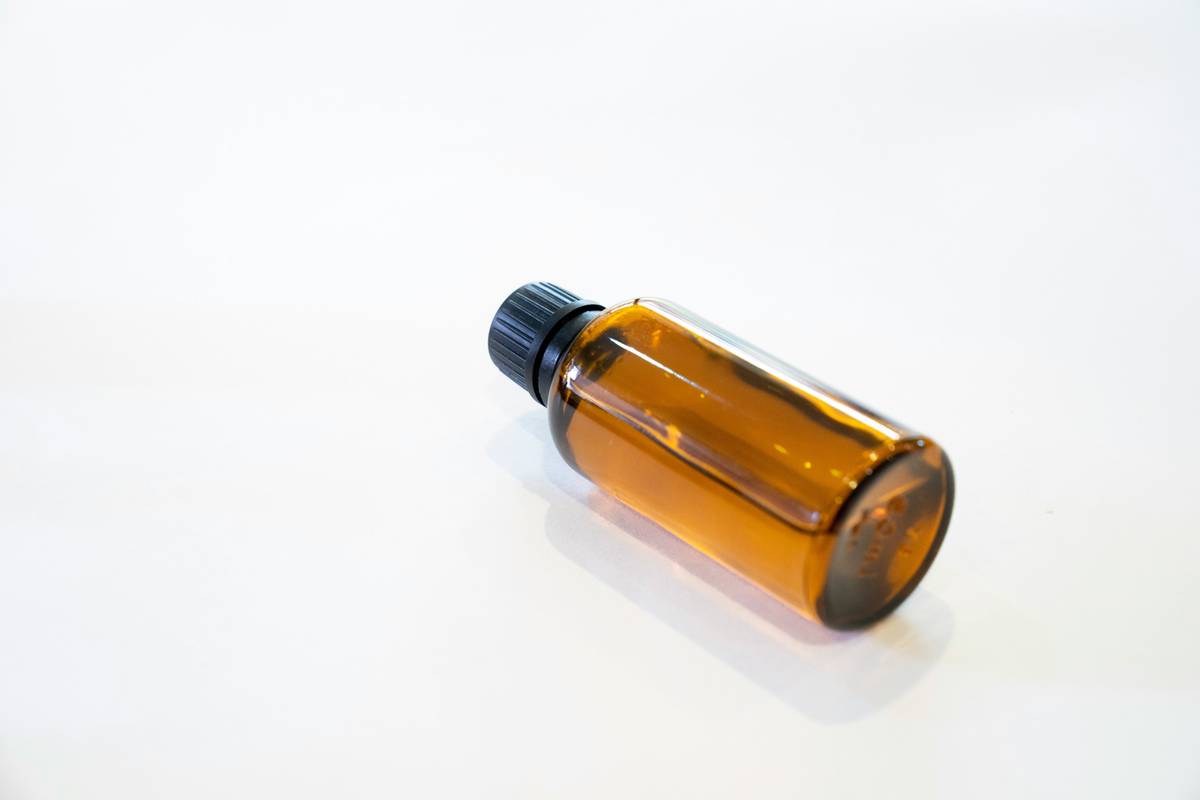
- Bottle matters: Amber or cobalt blue glass only. Clear bottles degrade the oil and invite oxidation.
- Storage: Keep in a cool, dark place. Shelf life: 1–2 years. Smell turns rancid? Toss it.
- Certifications: USDA Organic, ECOCERT, or Soil Association seals add trust—but aren’t foolproof. Combine with lab data.
Rant Section:
Why do brands call anything “hyssop”?! Anise hyssop smells like licorice and has zero pinocamphone—it won’t give you the same antimicrobial punch. Calling it “hyssop” is lazy, misleading, and honestly? Kinda scammy. Do better, beauty industry.
Real Results: My 6-Week Hyssop Natural Experiment
Last spring, I ran a personal trial: 6 weeks using a custom 0.75% hyssop + rosehip + tamanu oil blend nightly on my T-zone (chronic congestion + hormonal jawline cysts).
Week 1–2: Mild tingling (expected). No redness—patch test saved me.
Week 3–4: Fewer blackheads, less midday oiliness.
Week 5–6: Two recurring cysts shrank by 60%. Skin felt tighter, pores appeared refined.
I tracked progress with consistent lighting selfies and a pore strip test (yes, I’m that nerd). By week 6, debris lifted from pores was visibly reduced compared to baseline.
Note: This worked for my combination, acne-prone skin. If you have rosacea or eczema, hyssop may be too stimulating. Proceed with extreme caution—or skip it.
Hyssop Natural FAQs—Answered Honestly
Is hyssop natural oil safe for sensitive skin?
Generally, no. Due to its ketone content and potential for irritation, it’s best avoided if you have reactive, rosacea-prone, or compromised skin. Always patch test first.
Can I ingest hyssop natural oil for skin benefits?
Absolutely not. Internal use of hyssop essential oil is dangerous and can trigger seizures. Stick to topical (diluted!) application only. For internal support, consider hyssop tea made from dried herb—but consult your doctor first.
Does hyssop oil help with acne?
Yes—for certain types. Its antimicrobial and anti-inflammatory properties may help bacterial acne and clogged pores. However, it won’t treat fungal acne (malassezia) and may worsen inflammatory conditions.
Where can I buy authentic hyssop natural oil?
Look for ethical distillers like Eden Botanicals, Plant Therapy (with GC/MS access), or Mountain Rose Herbs. Avoid Amazon unless sold directly by the brand with verifiable testing.
Can I use hyssop oil during pregnancy?
No. Hyssop oil is contraindicated during pregnancy and breastfeeding due to its uterine-stimulating and neurotoxic compounds. Skip it entirely until cleared by your OB-GYN.
Conclusion
Hyssop natural oil isn’t a magic potion—but in the right hands, it’s a potent ally for clear, balanced skin. It demands respect: proper dilution, rigorous sourcing, and awareness of its limitations. After my early missteps, I’ve learned that true organic beauty isn’t about chasing trends—it’s about understanding what’s in your bottle and how it interacts with your unique biology.
Use hyssop natural wisely, verify every claim, and never sacrifice safety for “natural” appeal. Your skin will thank you.
Like a 2000s AIM away message: “BRB—blending hyssop serum & questioning everything.” 💫