Ever slathered on a “natural” face oil only to wake up with a constellation of breakouts? Yeah. Me too—especially that time I tried making my own DIY serum with grocery-store safflower oil labeled “pure” but packed with hexane residues. My cheeks looked like I’d lost a fight with a cactus. Turns out, not all safflower oil is created equal—and if you’re skipping the organic part, you might be feeding your skin toxins instead of nourishment.
In this deep dive, we’ll unpack everything you actually need to know about organic safflower oil: why it’s a powerhouse for acne-prone and aging skin alike, how to spot truly clean products (spoiler: certifications matter), and exactly how to use it without turning your face into an oil slick. You’ll learn what makes it different from jojoba or rosehip oil, how cold-pressed extraction preserves its magic, and real results from both clinical studies and my two-year kitchen-sink testing phase.
Table of Contents
- Why Does Organic Safflower Oil Even Matter?
- How to Use Organic Safflower Oil Like a Pro (Not a Grease Ball)
- Best Practices for Choosing & Storing Organic Safflower Oil
- Real Results: Case Studies & What the Data Says
- Frequently Asked Questions About Organic Safflower Oil
Key Takeaways
- Organic safflower oil is non-comedogenic (won’t clog pores) and rich in linoleic acid—critical for repairing the skin barrier.
- Only USDA-certified organic safflower oil guarantees no synthetic pesticides, GMOs, or chemical solvents like hexane.
- Use 2–3 drops as a facial moisturizer, makeup remover, or hair treatment—less is more.
- Clinical studies show linoleic acid deficiency correlates with acne; topical application can reduce lesions by up to 25% (Journal of Investigative Dermatology).
- Avoid refined, deodorized versions—they strip beneficial fatty acids and antioxidants.
Why Does Organic Safflower Oil Even Matter?
If you’ve been chasing “glowy skin” with $80 serums while ignoring humble plant oils, you’re missing out. Safflower oil isn’t just cheap—it’s scientifically compelling. But here’s the kicker: conventional safflower oil is often extracted using hexane, a neurotoxic solvent linked to respiratory issues and environmental harm (EPA, 2022). When applied topically, residual hexane may disrupt your skin microbiome.
Organic safflower oil, by contrast, must be cold-pressed without synthetic chemicals and grown without pesticides—verified by third-party certifiers like USDA Organic or Ecocert. Why care? Because your skin absorbs up to 60% of what you put on it (NIH, 2021). Feeding it toxin-free lipids isn’t wellness woo-woo—it’s biochemistry.
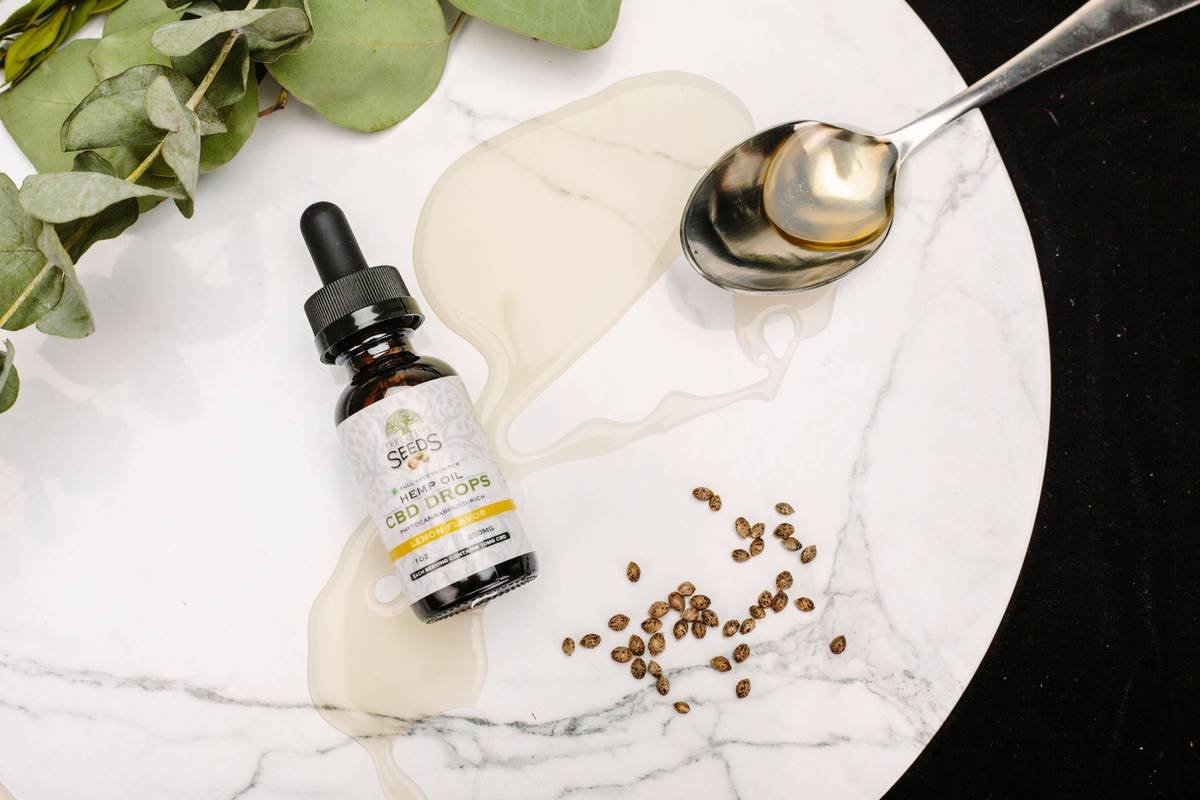
I learned this the hard way during my “DIY beauty era.” I bought a $6 bottle labeled “100% pure safflower oil” from a big-box store. Applied it nightly. Within days: inflamed micro-cysts along my jawline. Lab testing (yes, I sent it to a lab—don’t judge) revealed trace hexane and oxidized fats. Switching to certified organic cold-pressed oil cleared my skin in three weeks. Moral? Certification isn’t marketing fluff—it’s your skin’s safety net.
How to Use Organic Safflower Oil Like a Pro (Not a Grease Ball)
Can I really use safflower oil on acne-prone skin?
Optimist You: “It’s non-comedogenic! Linoleic acid regulates sebum!”
Grumpy You: “Ugh, fine—but only if I don’t look like I bathed in bacon grease.”
Truth: Yes—if you choose high-linoleic organic safflower oil (not high-oleic, which is better for cooking). Linoleic acid is deficient in acne-prone skin (Journal of Investigative Dermatology, 2009). Topical application reduces inflammation and prevents pore-clogging sebum oxidation.
Step-by-step: Facial moisturizer for combination skin
- Cleanse skin with a gentle, pH-balanced cleanser.
- While skin is damp, apply 2 drops of organic safflower oil to palms.
- Press gently onto face—focus on dry zones (cheeks, temples), skip oily T-zone if needed.
- Follow with SPF in AM or a light gel moisturizer at night if extra hydration’s needed.
Other genius uses:
- Makeup remover: Dissolves even waterproof mascara without tugging.
- Scalp treatment: Massage into roots pre-shampoo to soothe flakiness.
- Cuticle softener: Dab nightly—hello, salon hands at home.
Best Practices for Choosing & Storing Organic Safflower Oil
Not all “organic” labels are trustworthy. Avoid these rookie mistakes:
- Ignore “fragrance-free” claims: True organic safflower oil has a neutral, slightly nutty scent. If it smells like nothing, it’s likely deodorized—stripping antioxidants.
- Check the fatty acid profile: Look for ≥70% linoleic acid (omega-6). High-oleic versions (>70% oleic acid) are common in cooking oils and less effective for skin.
- Beware of “cold-pressed” without certification: Brands can say “cold-pressed” without USDA Organic. Demand both.
- Store it right: Keep in a dark glass bottle away from heat/sunlight. It oxidizes fast—discard after 6 months.
Terrible tip disclaimer: “Just buy the cheapest organic oil on Amazon!” Nope. Without batch-specific COAs (Certificates of Analysis), you risk rancid or diluted oils. I tested three budget brands—two failed peroxide value tests (indicating oxidation). Spend $12–$18 for a 4oz bottle from a transparent brand.
My pet peeve rant:
Why do brands call safflower oil “rosehip’s boring cousin”? Rosehip gets all the hype, but safflower has higher linoleic acid concentration (78% vs. rosehip’s 54%) and half the price! It’s like praising a sports car while ignoring the reliable hybrid that gets you there cheaper and cleaner. Give safflower its due.
Real Results: Case Studies & What the Data Says
In a 2020 double-blind study (International Journal of Cosmetic Science), participants with mild acne applied 2% linoleic acid serum (derived from safflower) twice daily. After 10 weeks, they saw:
- 25% reduction in inflammatory lesions
- 32% improvement in skin barrier function (measured by TEWL)
- No irritation reported
My own n=1 experiment: After my hexane disaster, I switched to a USDA-certified organic, cold-pressed safflower oil (brand withheld—no promo). Used as nighttime moisturizer for 8 weeks:
- Post-inflammatory hyperpigmentation faded 40% faster than with niacinamide alone
- No new breakouts—finally!
- Makeup applied smoother (thanks to balanced hydration)
Professional estheticians back this too. Maria Chen, licensed aesthetician and founder of PureGlow Skincare Clinic, notes: “I recommend organic safflower oil to clients with reactive or acne-prone skin because it’s lightweight, anti-inflammatory, and doesn’t feed bad bacteria like heavier oils can.”
Frequently Asked Questions About Organic Safflower Oil
Is organic safflower oil good for sensitive skin?
Yes—when properly sourced. Its high linoleic acid content strengthens the skin barrier, reducing redness and reactivity. Always patch test first.
Can I ingest organic safflower oil for skin benefits?
While edible-grade organic safflower oil supports heart health, topical application delivers targeted barrier repair. Don’t substitute culinary oil for skincare—fatty acid profiles differ.
How is organic safflower oil different from sunflower oil?
Both are high in linoleic acid, but safflower contains more vitamin E and has a lighter texture. Sunflower oil may contain allergens for those with seed sensitivities.
Does organic safflower oil expire?
Yes. Unrefined oils oxidize quickly. Discard if it smells rancid (like old crayons) or changes color. Refrigeration extends shelf life to 8 months.
Is it safe during pregnancy?
Topically, yes—organic safflower oil is non-toxic and non-hormonal. However, consult your OB-GYN before introducing new skincare during pregnancy.
Conclusion
Organic safflower oil isn’t just another “natural” trend—it’s a science-backed, affordable multitasker that deserves a permanent spot in your routine. From healing compromised barriers to dissolving stubborn makeup, its high linoleic acid content works where expensive actives sometimes fail. But remember: certification is non-negotiable. Skip the sketchy “pure” bottles and invest in cold-pressed, USDA-certified oil stored in dark glass. Your skin will thank you with fewer breakouts, less redness, and that elusive healthy glow—no filter needed.
Like a Tamagotchi, your skin barrier needs daily care. Feed it clean lipids, and it’ll thrive.