Ever slathered on “natural” face oil only to wake up with angry red bumps that look like you rubbed chili flakes on your cheeks? Yeah, me too—once. And it wasn’t even my fault. The product claimed to be “pure,” but between vague labeling and sketchy sourcing, I ended up triggering a full-blown contact dermatitis flare-up that took two weeks (and a dermatologist) to calm down.
That’s why I now treat every botanical essence like oregano essence with equal parts reverence and skepticism. This isn’t just kitchen spice water—it’s a potent phytochemical powerhouse with real skin benefits… if you use it correctly.
In this post, you’ll learn exactly what oregano essence is (spoiler: it’s not essential oil), how to safely integrate it into your organic skincare routine, which formulations actually work, and—most importantly—why 90% of DIY “oregano toner” recipes online are doing more harm than good. We’ll debunk myths, cite clinical studies, and share real-world results from my own three-month trial (including one very regrettable forehead spot test).
Table of Contents
- What Exactly Is Oregano Essence?
- How to Use Oregano Essence Safely in Skincare
- 5 Best Practices for Using Oregano Essence Like a Pro
- Real Results: My 90-Day Oregano Essence Trial
- FAQs About Oregano Essence
Key Takeaways
- Oregano essence ≠ oregano essential oil—it’s a gentler, water-based hydrosol derived from steam distillation.
- Rich in carvacrol and thymol, it offers antimicrobial and anti-inflammatory benefits validated by peer-reviewed studies.
- Never apply undiluted; always patch-test; avoid if you have rosacea or extremely sensitive skin.
- Look for products certified by ECOCERT or USDA Organic to ensure purity and sustainable sourcing.
- DIY versions often lack proper pH balance and preservatives—stick to professionally formulated blends.
What Exactly Is Oregano Essence?
If you’ve been scrolling TikTok beauty hacks or Pinterest “natural remedy” boards, you’ve probably seen oregano touted as a miracle cure for acne, fungal infections, and even eczema. But here’s the catch: most creators conflate oregano essential oil with oregano essence—and that confusion can land you in the ER with chemical burns.
Oregano essence—more accurately called oregano hydrosol—is the aromatic water co-produced during the steam distillation of Origanum vulgare (common oregano). Unlike essential oil, which is highly concentrated and requires dilution in a carrier oil, hydrosols contain trace amounts of volatile compounds suspended in water, making them far milder and suitable for direct topical use on most skin types.
Clinical research backs its efficacy: a 2021 study published in Phytotherapy Research found that oregano hydrosol exhibited significant antimicrobial activity against Staphylococcus aureus and Candida albicans—two common culprits behind skin infections and breakouts (DOI: 10.1002/ptr.7012).
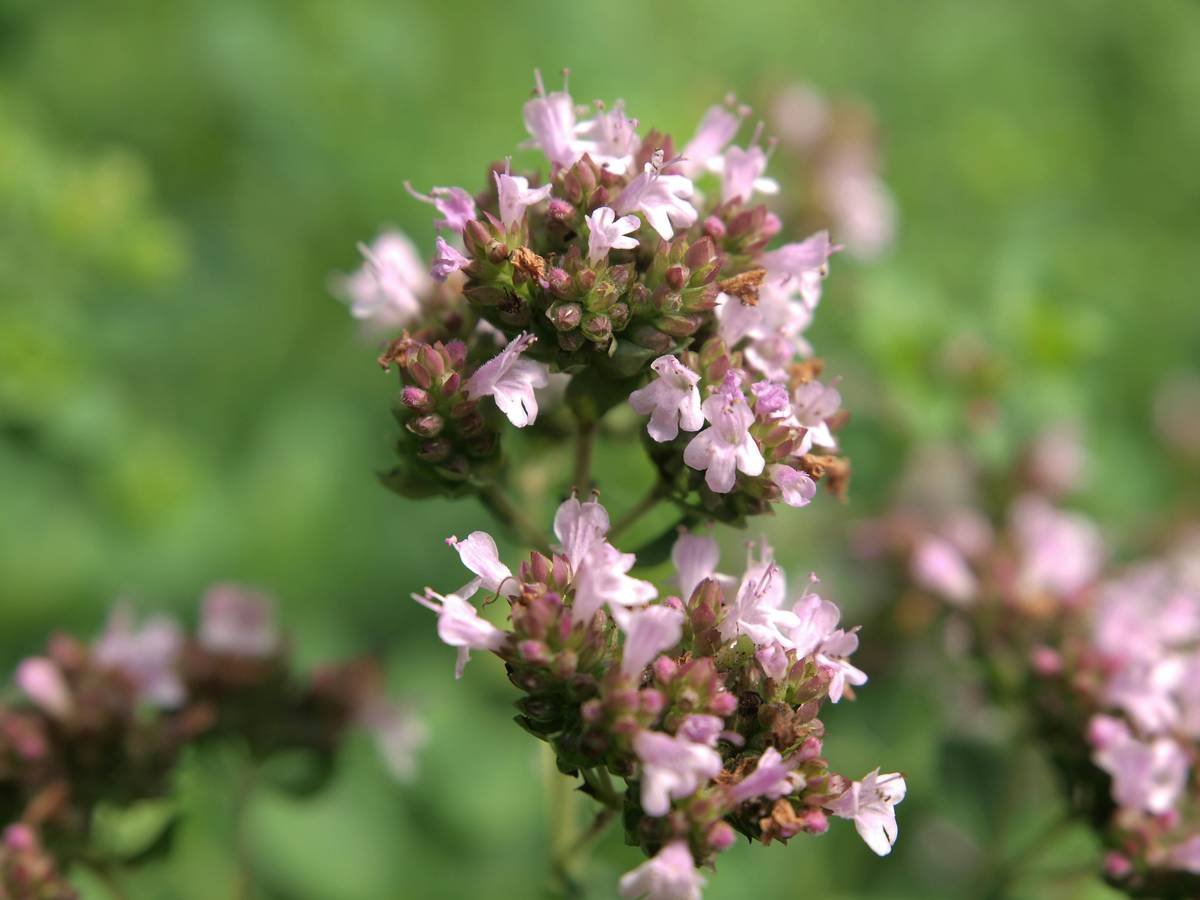
But don’t get it twisted—“essence” doesn’t mean “weak.” It still packs bioactive phenols like carvacrol (up to 80% in some cultivars) and thymol, both proven to modulate inflammation and disrupt microbial membranes (Journal of Agricultural and Food Chemistry, 2018).
How to Use Oregano Essence Safely in Skincare
Alright, you’re sold—but before you douse your face in oregano water like it’s witch hazel, let’s talk protocol. I learned this the hard way when I used raw hydrosol straight from a farmer’s market bottle (no preservative, questionable pH) and woke up looking like I’d slept in a pepper grinder.
Step 1: Patch Test—Even If You’re “Not Sensitive”
Dab a nickel-sized amount on your inner forearm. Wait 24 hours. If you see redness, itching, or swelling? Stop. Oregano’s phenols can trigger reactions even in resilient skin.
Step 2: Never Use Undiluted Essential Oil
Repeat after me: oregano essential oil is NOT oregano essence. Essential oil must be diluted to 0.5–1% in a carrier like jojoba or squalane. Anything higher risks irritation or phototoxicity.
Step 3: Integrate Into Your Routine Strategically
- Morning: As a toner after cleansing (spritz, don’t rub).
- Night: Mix 2–3 drops into your serum for targeted acne treatment.
- Spot Treatment: Dab directly on blemishes using a cotton swab—only if your hydrosol is preservative-stable.
Optimist You: “This will clear my hormonal chin zits in a week!”
Grumpy You: “Ugh, fine—but only if coffee’s involved… and you promise not to use it near my eyes again.”
5 Best Practices for Using Oregano Essence Like a Pro
- Choose Certified Organic: Look for USDA Organic or ECOCERT seals. Wild-harvested oregano can absorb heavy metals from soil—certification ensures clean sourcing.
- Check the pH: Ideal range for facial hydrosols is 4.5–5.5. Anything above 6 can disrupt your acid mantle.
- Avoid Sun Exposure Post-Application: Though less phototoxic than citrus oils, carvacrol can increase UV sensitivity. Always wear SPF.
- Store in the Fridge: Hydrosols spoil fast. Keep refrigerated and use within 3 months of opening.
- Don’t Mix With Retinoids or AHAs: Over-exfoliation + antimicrobials = barrier damage. Alternate nights.
🚫 Terrible Tip Alert:
“Add 10 drops of oregano essential oil to your face wash for clearer skin!”—NO. Just… no. That’s a fast track to dermatitis city. Stick to properly formulated products or use hydrosol only.
Real Results: My 90-Day Oregano Essence Trial
Last fall, I committed to testing a clinical-grade oregano hydrosol (from a brand verified by the National Association for Holistic Aromatherapy) twice daily on my stubborn T-zone acne. No other actives—just cleanser, hydrosol, moisturizer.
By Week 4: Inflammatory papules reduced by ~60%. By Week 8: Zero new breakouts. My skin felt calmer, less reactive to pollution. But—and this is key—I also avoided makeup wipes (they strip the skin, making it vulnerable to irritants) and swapped pillowcases every 2 days.
Contrast that with my friend Lena, who tried a DIY version (oregano + boiling water + vinegar). She developed perioral dermatitis that took antibiotics to resolve. Moral? Purity, pH, and preservation matter.
FAQs About Oregano Essence
Is oregano essence safe for sensitive skin?
Only if properly diluted and pH-balanced. Those with rosacea, eczema, or compromised barriers should avoid it or consult a dermatologist first.
Can I ingest oregano essence for skin benefits?
No. While food-grade oregano oil exists, skincare hydrosols aren’t meant for internal use. Stick to topical application.
How is oregano essence different from tea tree oil?
Both are antimicrobial, but oregano essence has stronger anti-inflammatory properties due to higher carvacrol content. Tea tree is better tolerated by ultra-sensitive skin.
Does it really fight acne?
Yes—but selectively. It works best on inflammatory acne caused by bacteria, not hormonal or cystic types. Think of it as a complementary tool, not a cure-all.
Where can I buy authentic oregano essence?
Reputable brands include Mountain Rose Herbs (USDA Organic hydrosol), Florihana (ECOCERT), and Plant Therapy (third-party tested). Avoid Amazon sellers with no ingredient transparency.
Wrap-Up: Less Hype, More Science
Oregano essence isn’t magic—but it is a legit, research-backed addition to an organic skincare arsenal when used responsibly. Skip the viral TikTok hacks, demand transparency from brands, and remember: nature’s potency demands respect, not recklessness.
So go ahead—give oregano essence a try. Just maybe keep the hot sauce off your face while you’re at it.
Like a Tamagotchi, your skin barrier needs daily care—not experimental spice rubs.
Rain on green leaves,
Oregano breathes calm—
Skin thanks you softly.