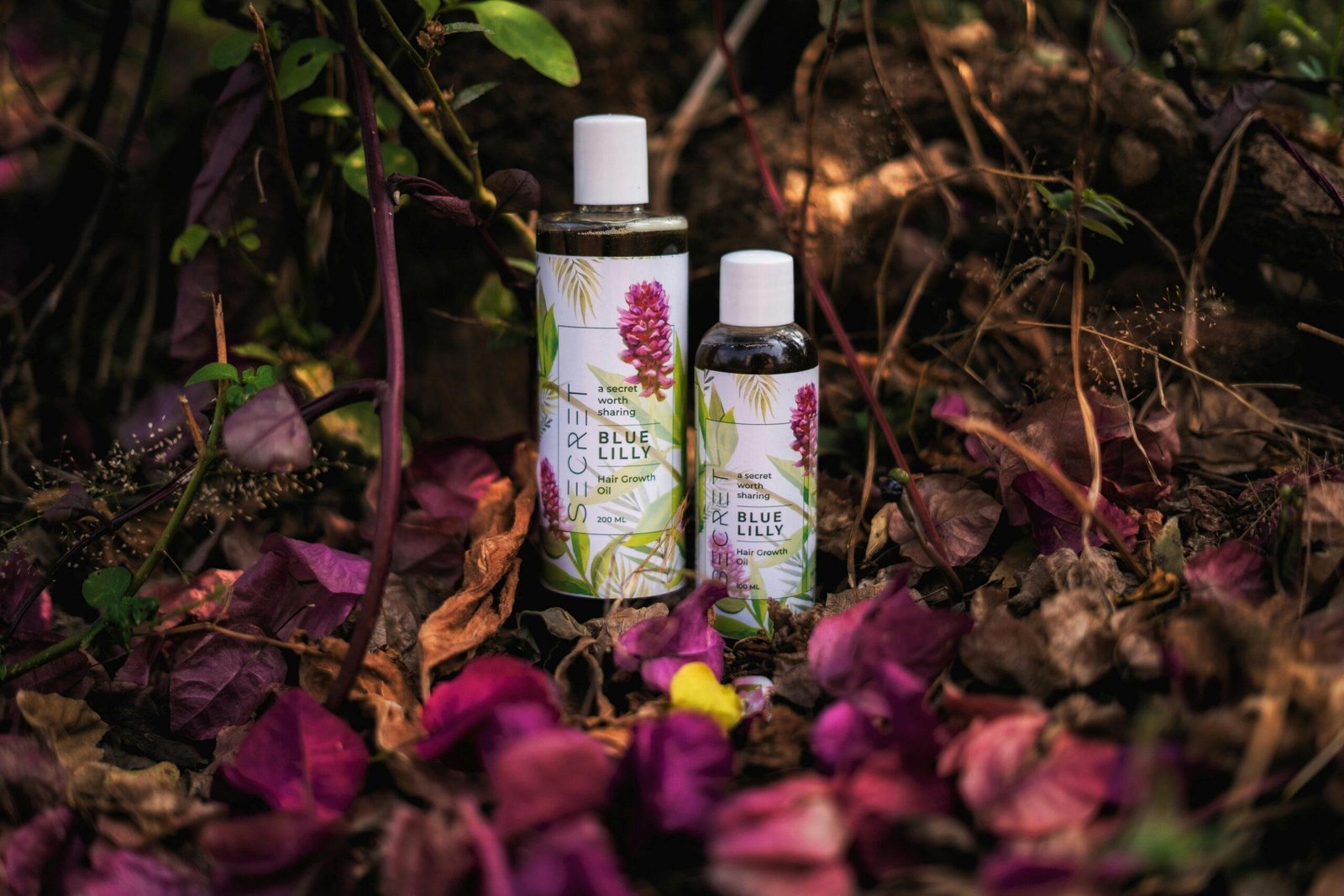
Ever stared at a bottle of hair oil, wondering if it’s worth the hype or just another beauty fad? Well, let me tell you—organic haircare oils are far from basic. They’re the unsung heroes in your quest for thicker, healthier, and shinier hair. And no, we’re not talking about slathering your strands in grandma’s cooking olive oil (although she might’ve been onto something). Today, we’ll uncover why organic oils deserve a spot in your beauty arsenal, how to use them, and the mistakes to avoid so that your tresses can thrive.
Table of Contents
- Why Organic Haircare Oils Matter
- Step-by-Step Guide to Using Haircare Oils
- Top Tips for Maximizing Benefits
- Real-Life Success Stories with Organic Oils
- Frequently Asked Questions About Haircare Oils
Key Takeaways
- Organic haircare oils offer natural nourishment without harsh chemicals.
- Different oils work best for specific hair concerns.
- Avoid common pitfalls like over-application or using low-quality products.
- Combining oils with other treatments can amplify results.
Why Organic Haircare Oils Matter: Spoiler Alert, It’s Not Just Hype
I once thought all oils were created equal until I accidentally left coconut oil on my scalp overnight—and woke up looking like an extra from *Grease*. Lesson learned: Technique matters. Beyond this rookie move, though, organic oils provide vitamins, antioxidants, and fatty acids essential for strong, hydrated hair. For example:
- Argan Oil: Packed with vitamin E, it fights frizz while locking in moisture.
- Jojoba Oil: Mimics your scalp’s natural sebum, promoting balance.
- Castor Oil: Rich in ricinoleic acid, it stimulates hair growth when used correctly.

But here’s the tea: Synthetic alternatives often contain sulfates and parabens that strip your hair of its natural goodness. By switching to organic options, you’re doing both your mane *and* Mother Earth a solid.
Step-by-Step Guide: How to Use Haircare Oils Effectively
Optimist You:* “This sounds simple enough!”
Grumpy You:* “Ugh, fine—but only if there’s coffee involved.”
- Choose the Right Oil: Match the oil to your needs. Frizzy locks? Go for argan. Dry scalp? Try tea tree or peppermint oil.
- Prep Your Hair: Apply oils to damp hair for better absorption.
- Focus on Key Areas: Concentrate on mid-lengths and ends instead of overwhelming your roots.
- Massage Gently: Stimulate blood flow by massaging your scalp with circular motions.
- Rinse or Leave In: Some oils need rinsing after 30 minutes; others can stay overnight. Check product instructions!
Top Tips for Getting the Most Out of Haircare Oils
Here’s the chef’s kiss moment: combining wisdom with wit. Follow these strategies to get salon-worthy results:
- Mix & Match Wisely: Pair complementary oils (like rosemary + castor) to target multiple issues.
- Don’t Overdo It: A little goes a long way. Start with a few drops and increase as needed.
- Heat It Up: Warm oils before application to open hair cuticles for deeper penetration.
- Test First: Do a patch test to ensure you’re not allergic to any ingredients.
Pro Tip: Never microwave oils directly unless you want a mini explosion—use warm water instead!

Real-Life Examples: Transformations Thanks to Organic Oils
Remember Lisa, who swore off oils because “they made her hair greasier”? After switching to pure rosemary oil diluted with almond oil, she saw noticeable thickness within three months. Or consider Jake, whose receding hairline found new life thanks to consistent castor oil massages twice weekly. These success stories prove consistency and quality make all the difference.
FAQs About Haircare Oils
Can anyone use organic haircare oils?
Yes! However, those with sensitive skin should always do a patch test first.
How soon will I see results?
Patience is key. Depending on your hair type, improvements may take 6–12 weeks.
Are synthetic versions just as effective?
Nope. Organic oils retain their full nutrient profile without additives or fillers.
What’s one mistake most people make?
Overloading their hair. Less truly is more when it comes to oil-based treatments.
Conclusion
Congrats—you now know the ins and outs of organic haircare oils! From their nourishing properties to practical tips for usage, you’re armed with the knowledge to transform your tresses. Remember, choosing high-quality oils, avoiding overuse, and pairing them strategically are keys to success.
Like a Tamagotchi, your hair demands daily TLC. Happy oiling, folks!