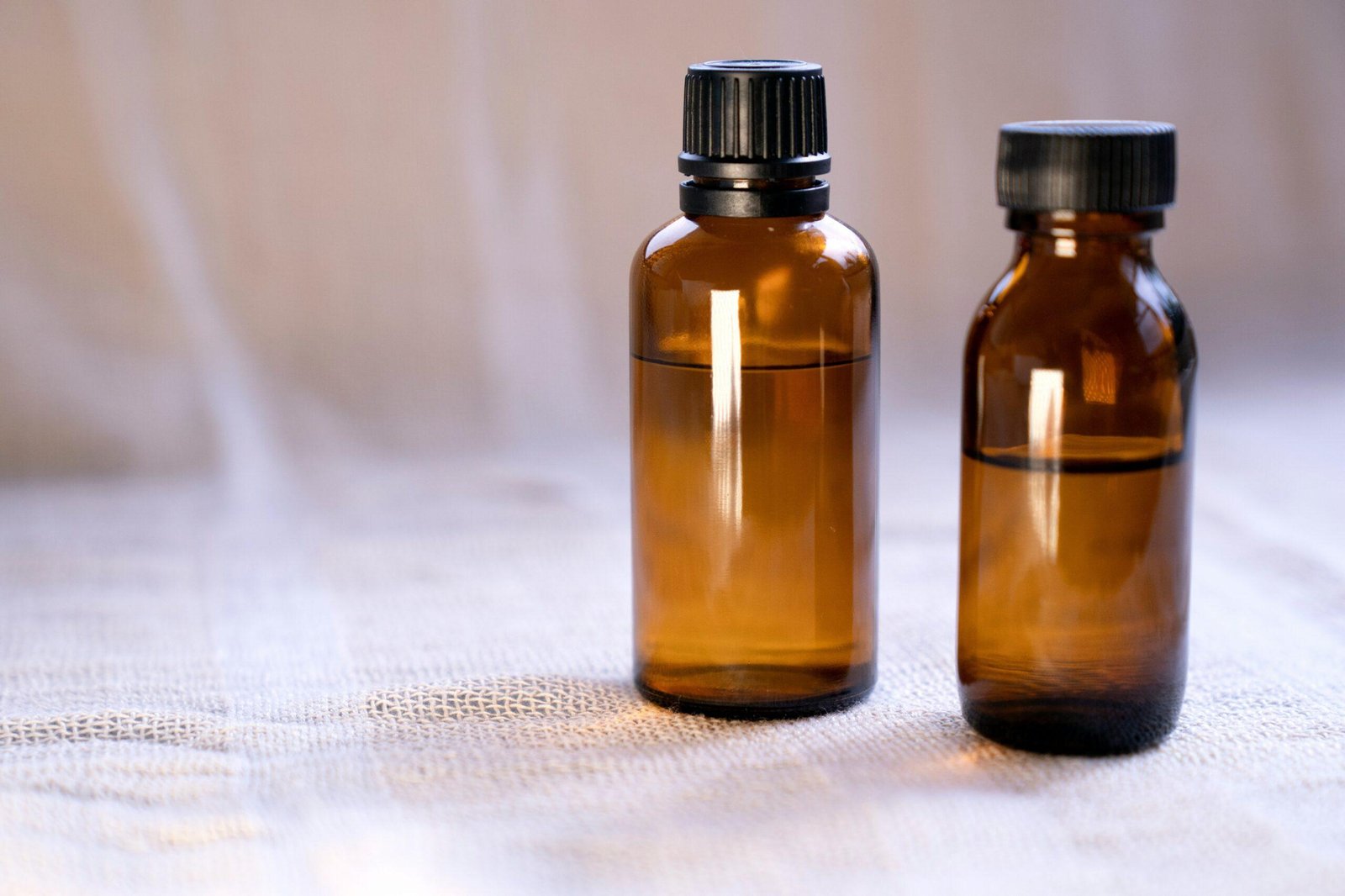
Ever stared at your skincare shelf, wondering why your skin still feels drier than a stale cracker? You’re not alone. Despite shelves groaning under creams and lotions, many of us overlook one of nature’s purest gifts: organic moisturizing oils.
I once spent $50 on a fancy cream, only to wake up with flaky skin that looked like I’d rolled in sandpaper. Spoiler: it didn’t end well. But guess what turned things around? A tiny bottle of rosehip oil. Today, we’ll dive into how moisturizing oils can transform your skin while staying kind to Mother Earth.
Table of Contents
- Key Takeaways
- Why Moisturizing Oils Are Better Than Creams
- How to Use Organic Moisturizing Oils Effectively
- The Best Natural Oils for Your Skin Type
- Common Mistakes When Using Moisturizing Oils
- Real Results from Real People
- FAQs About Organic Moisturizing Oils
- Conclusion
Key Takeaways
- Moisturizing oils penetrate deeper than creams, locking hydration without clogging pores.
- The right organic oil depends on your skin type—argan for dryness, jojoba for oily skin.
- Avoid over-application; less is more when using potent plant-based oils.
- Switching to natural oils reduces exposure to harmful chemicals found in synthetic products.
Why Are Moisturizing Oils Better Than Creams?
“Optimist You:” ‘Isn’t lotion just fine?’
“Grumpy Me:” ‘Sure, if you’re cool with mediocre results.’
Here’s the tea: water-based moisturizers often evaporate quickly, leaving only surface-level relief. On the flip side, moisturizing oils create a breathable barrier that seals hydration where it matters most—in your skin cells.
How to Use Organic Moisturizing Oils Effectively
Step 1: Cleanse Properly
Clean skin = happy skin. Always start by washing your face with a gentle cleanser before applying any product. Bonus points if you exfoliate once or twice a week!
Step 2: Apply Oil While Damp
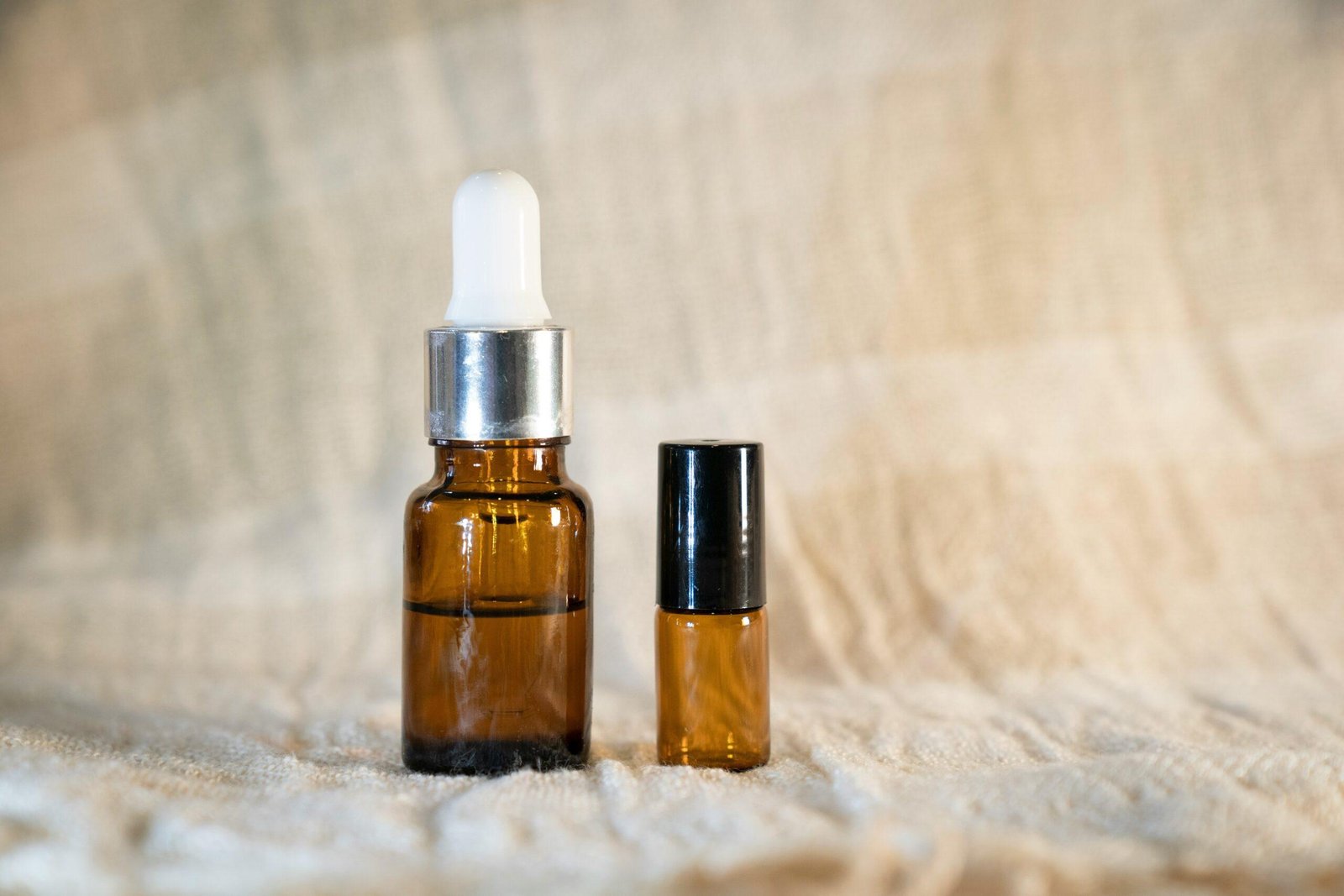
Dry skin loves a helping hand. After cleansing, pat your face lightly until damp—not soaking wet—and massage 2-3 drops of oil evenly across your face.
Step 3: Seal It In With Minimal Product
No need for layers upon layers. Let those nourishing droplets do their magic solo.
The Best Natural Oils for Your Skin Type
Choosing the wrong oil is like putting ketchup on a brownie (don’t ask how I know). Here’s what works best:
- Rosehip Oil: Rich in vitamin C, perfect for dull skin craving radiance.
- Jojoba Oil: Balances sebum production—ideal for acne-prone and combination skin.
- Argan Oil: Deep hydration powerhouse, recommended for parched winter skin.
- Tea Tree Oil: Known for its antibacterial properties but should be diluted before use.
Common Mistakes When Using Moisturizing Oils
Time for some brutal honesty: even great strategies fail if done wrong. Avoid these pitfalls:
- Overdoing It: Slathering too much oil will leave you shiny AF and possibly break out.
- Mixing Wrong Ingredients: Pairing citrus oils with retinol? Terrible idea unless you want irritated skin.
Rant Alert: Why are people still mixing essential oils directly onto sensitive skin?? That screams DIY disaster waiting to happen.
Real Results from Real People
Take Sarah, a busy mom who swapped her pharmacy cream for almond oil. Within weeks, she reported softer cheeks and zero irritation. Or Mike, whose shaving routine transformed after switching to argan oil—he swears his razor glides smoother now.

FAQs About Organic Moisturizing Oils
Are moisturizing oils safe for sensitive skin?
Yes, as long as they’re cold-pressed and free of additives. Patch test first!
Can I use them daily?
Absolutely, especially non-comedogenic ones like grapeseed or jojoba.
Do oils work better than serums?
Not always—it depends on your skin goals. Combine both for maximum benefit.
Conclusion
In conclusion, switching to organic moisturizing oils isn’t just trendy—it’s transformative. By hydrating deeply, respecting your unique skin type, and avoiding harsh synthetics, you embrace a sustainable glow-up worth every drop. So go ahead, treat yourself—your mirror will thank you.
Like a Tamagotchi, your skincare needs daily care to thrive. 🌱✨