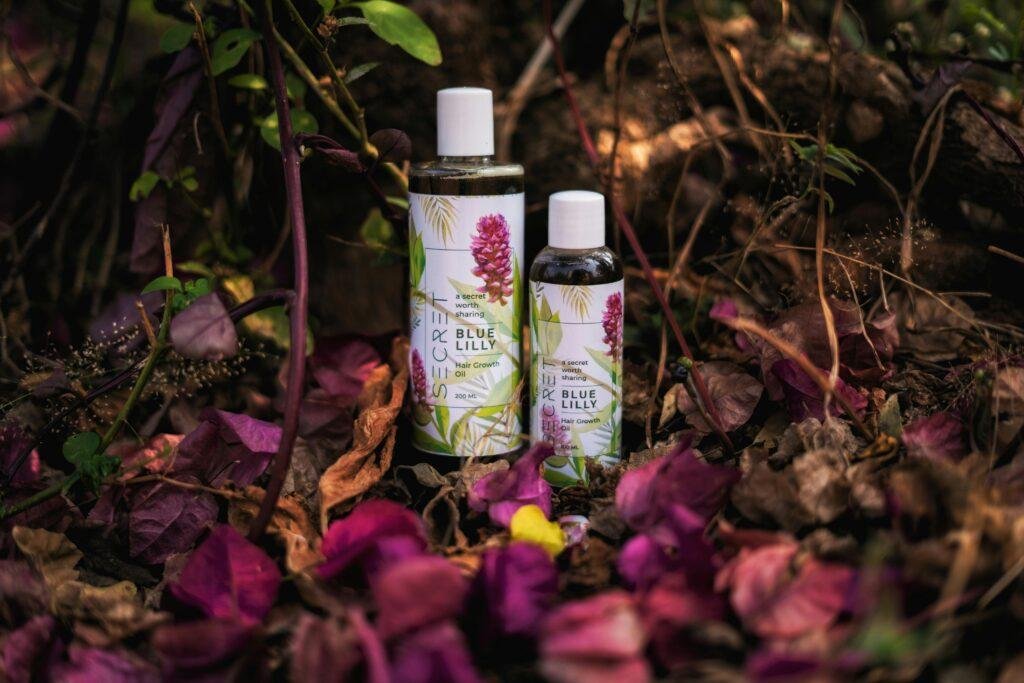
Have you ever looked at your kitchen cabinet and wondered if that bottle of olive oil could do more than dress your salad? Turns out, cooking oils are not just for culinary delights—they’re a game-changer in organic beauty routines! Yep, we’re diving into how these pantry staples can nourish your skin naturally. You’ll learn why they work, how to use them, and which ones belong on your vanity (and maybe back in your stir-fry).
Table of Contents
Key Takeaways
- Cooking oils like coconut, olive, and jojoba make excellent natural moisturizers.
- These oils are packed with vitamins and antioxidants crucial for healthy skin.
- They’re cost-effective and eco-friendly alternatives to synthetic skincare products.
- However, patch testing is essential to avoid potential allergic reactions.
The Problem with Conventional Beauty Products

Let’s talk about the elephant in the room—most commercial skincare products come loaded with parabens, sulfates, and artificial fragrances. “It’s fine,” said no one after breaking out from yet another mysterious ingredient list. According to Environmental Working Group (EWG), over 60% of skincare items contain potentially toxic substances. Ugh.
Grumpy Me: *Do I really need to decipher chemical formulas while moisturizing?*
Optimist Me: *Not anymore! Enter organic oils—the multitasking MVPs.*
How to Use Cooking Oils for Skincare Like a Pro
Think slathering olive oil all over your face sounds messy? It doesn’t have to be. Here’s a step-by-step guide:
Step 1: Pick the Right Oil
Opt for high-quality, cold-pressed oils free of additives. Coconut oil works wonders for dryness; olive oil soothes irritated skin, and sweet almond oil adds hydration without clogging pores.
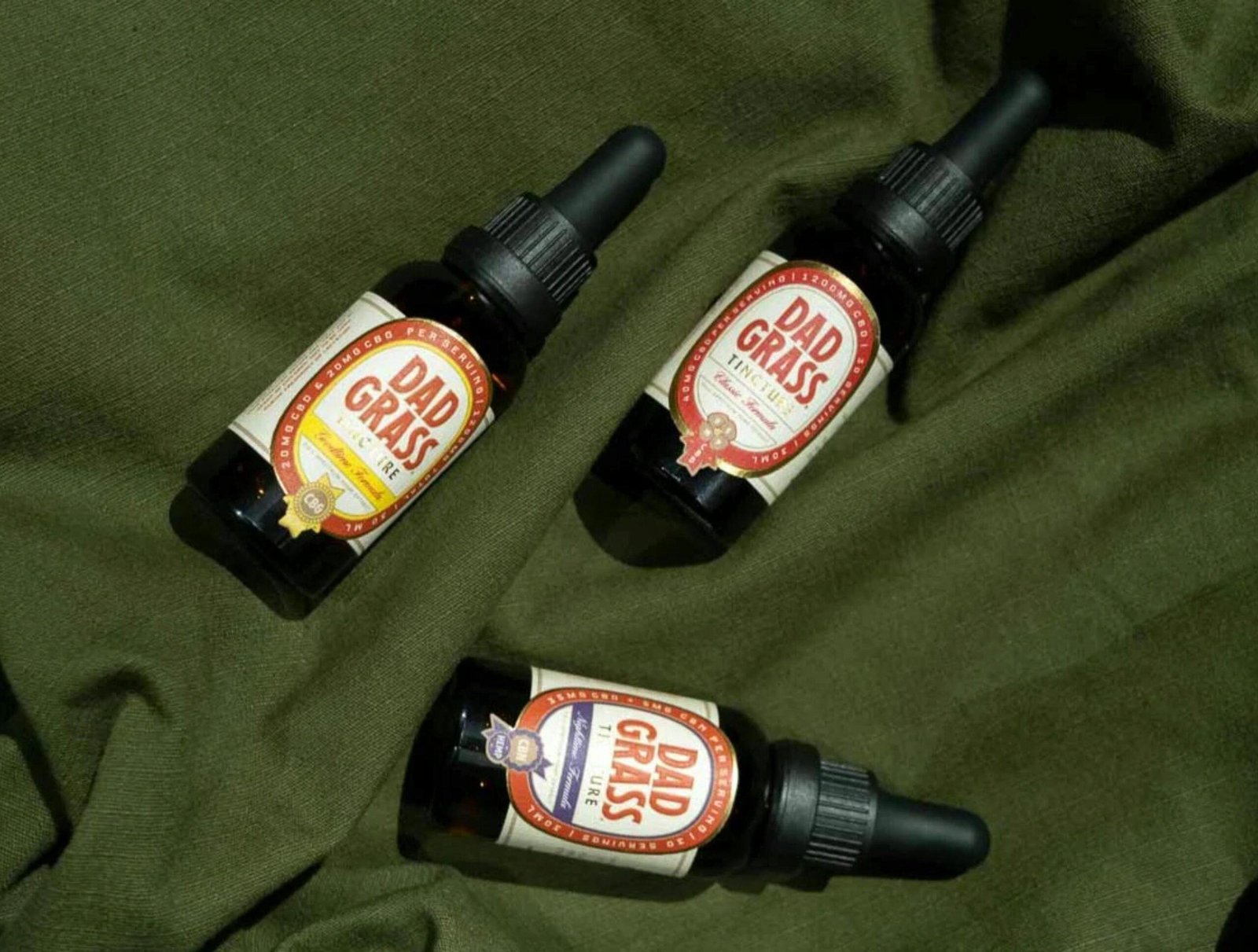
Step 2: Do a Patch Test First
No matter how “natural” something claims to be, always test it on a small area behind your ear or wrist before applying it on your face. Remember my embarrassing rash adventure with raw shea butter? #NeverAgain.
Step 3: Incorporate Into DIY Masks or Massages
Mix a tablespoon of honey with two tablespoons of olive oil for a hydrating mask. Massage coconut oil onto damp skin post-shower—it locks in moisture better than any cream.
Step 4: Store Properly
Heat and sunlight degrade oils faster than coffee goes stale on your counter. Keep them sealed tightly in cool, dark places.
Top Tips for Choosing & Using Organic Oils Safely
- Go Cold-Pressed: Avoid refined oils because they lose nutrients during processing.
- Avoid Overuse: A little goes a long way—too much oil might cause breakouts.
- Know Your Skin Type: For oily skin, lightweight oils like grapeseed work best; richer oils suit drier skin.
- Rant Alert: Don’t waste money on overpriced “skincare-grade” oils when pure, edible versions perform the same magic.

Real-Life Success Stories: Glow-Up Achieved!
Lisa, a busy mom of two, swapped her drugstore moisturizer for homemade coconut oil blends after noticing constant breakouts. Six months later—an undeniable glow-up. And Sarah, a fitness enthusiast, uses olive oil mixed with turmeric as her go-to cleanser. Her acne scars faded within weeks!
FAQs About Organic Oils in Skincare
Q1: Can I really use cooking oil directly on my face?
Yes! As long as it’s food-grade, non-refined, and suitable for your skin type, many oils double perfectly as skincare heroes.
Q2: What are some bad oils to avoid?
Stay away from hydrogenated vegetable oils or anything with added preservatives. They may clog pores or irritate sensitive skin.
Q3: Will this method save me money?
Absolutely. One jar of organic olive oil costs less than half of most expensive serums—and lasts twice as long.
Conclusion: Your Kitchen Just Got an Upgrade
Turns out, those cooking oils sitting in your pantry deserve a permanent spot on your vanity too. Natural, versatile, and budget-friendly—they’re the unsung heroes of organic beauty. So next time you’re whipping up dinner, remember: dessert’s great, but glowing skin is chef’s kiss!
“Like a Tamagotchi, your skincare needs love and care—but luckily, Mother Nature already stocked your shelves.”