Ever slathered something on your skin only to realize later you had no idea what was actually in it? Yeah, we’ve all been there. What if the answer to glowing skin was already sitting in your kitchen?
In this post, we’re diving deep into why coconut cooking oil is more than just a pantry staple—it’s an unsung hero for organic beauty enthusiasts. You’ll learn how it works, its benefits, tips to use it effectively, and even some quirky skincare fails (trust me, you’ll want to hear them). Plus, a little rant about overpriced “miracle” oils because, well, someone has to say it.
Table of Contents
- Why Coconut Cooking Oil Matters for Your Skin
- How to Use Coconut Cooking Oil Properly (Without Messing Up)
- Pro Tips for Maximizing Coconut Oil’s Benefits
- Real-Life Examples of Coconut Oil Success Stories
- FAQs About Coconut Cooking Oil in Skincare
Key Takeaways
- Coconut cooking oil doubles as a powerful organic moisturizer with antibacterial properties.
- Using unrefined, virgin coconut oil ensures maximum skin benefits without harmful additives.
- Overusing it can lead to clogged pores—balance is key!
Why Coconut Cooking Oil Matters for Your Skin
Let’s start with the obvious question: Why should anyone care about using coconut cooking oil for their face or body when there are fancy jars lining store shelves screaming “BUY ME”? Here’s the tea:
I once bought a $45 bottle of “organic” facial serum that smelled like burnt toast and left my skin drier than Arizona in July. Meanwhile, I already owned a jar of extra-virgin coconut oil that cost less than ten bucks. A quick experiment showed me which one actually worked better. Spoiler alert: It wasn’t the pricey serum.

Here’s the deal:
- Moisture Lock: Coconut oil acts as a natural emollient, trapping moisture in your skin.
- Antimicrobial Properties: Thanks to lauric acid, it fights acne-causing bacteria while being gentle on sensitive skin.
- Versatility: From removing makeup to treating dry elbows, coconut oil earns its multi-tool badge.
How to Use Coconut Cooking Oil Properly (Without Messing Up)
Optimist You: *’Just slather it on and let nature do its thing!’*
Grumpy Me: *’Whoa, slow down. Slathering blindly could give you greasy skin and clogged pores.’*
To avoid becoming a human grease trap, here’s a foolproof guide:
Step 1: Choose the Right Type of Coconut Oil
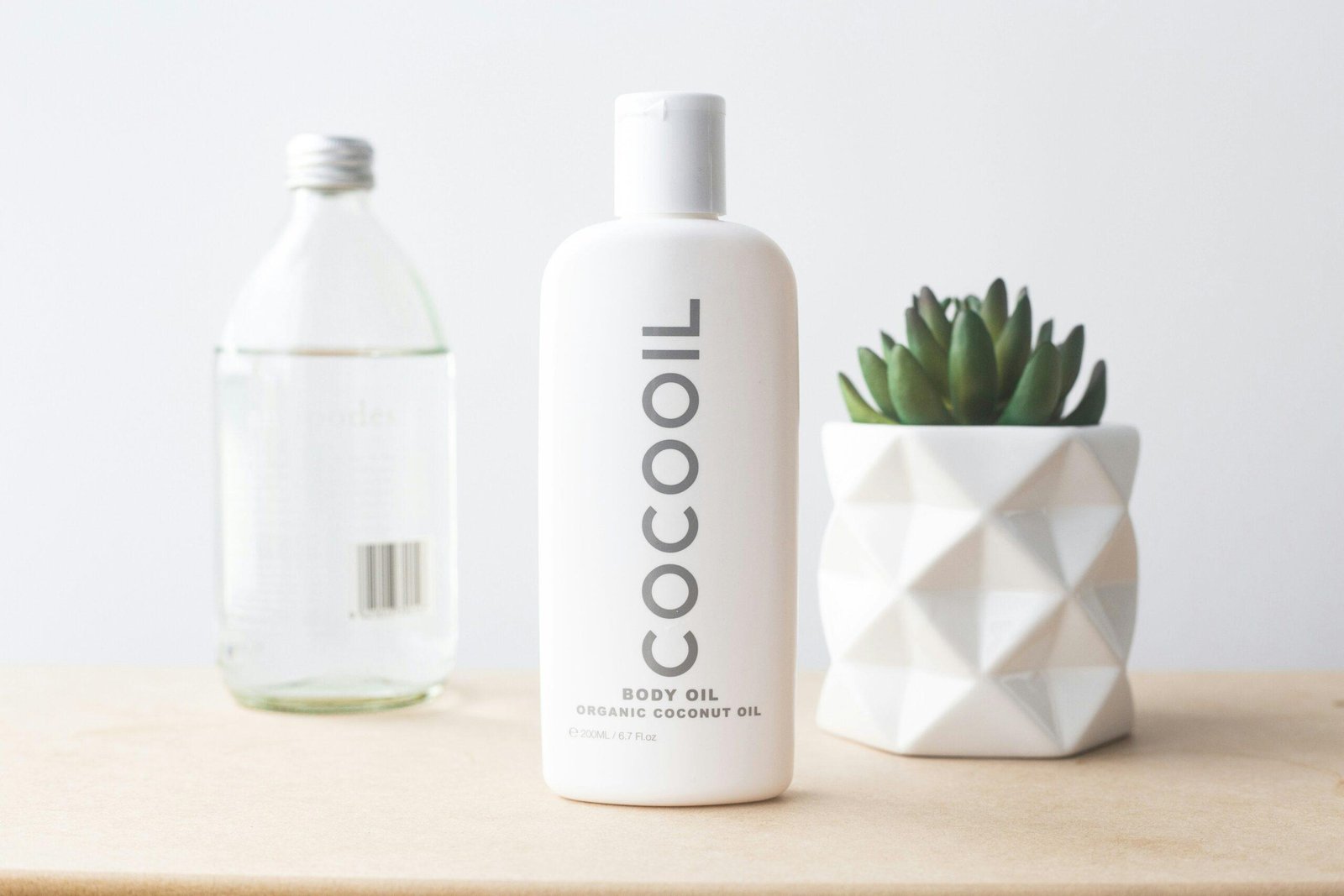
Not all coconut oils are created equal. Look for unrefined, cold-pressed virgin coconut oil. Refined versions might lack nutrients and contain weird chemicals from processing.
Step 2: Perform a Patch Test First
Especially if you have sensitive or oily-prone skin, test by applying a small amount behind your ear or wrist first. Wait 24 hours to check for irritation.
Step 3: Use Sparingly
A little truly goes a long way. Start with pea-sized amounts and warm it between your palms before pressing onto your skin.

Pro Tips for Maximizing Coconut Oil’s Benefits
- Mix It Up: Combine coconut oil with honey or sugar for DIY scrubs. The abrasiveness exfoliates dead skin cells while the oil nourishes underneath.
- Spot Treat: Dab a tiny bit directly onto blemishes overnight instead of smearing across your whole face.
- Terrific Terrible Tip Alert: Never microwave your coconut oil—it breaks down essential fatty acids. Just sit it out until it melts naturally at room temp.
Real-Life Examples of Coconut Oil Success Stories
Take Sarah, a skincare minimalist who swapped her entire vanity routine for coconut oil alone. Her secret? Consistent nightly massage into damp skin post-shower. After two weeks, she noticed softer texture and fewer breakouts.
Then there’s Jake, who used coconut oil to tame his unruly beard during winter months. By mixing it with peppermint essential oil, he not only avoided flakes but also rocked the scent of fresh pine trees. Win-win!

FAQs About Coconut Cooking Oil in Skincare
Is coconut cooking oil safe for all skin types?
Most people tolerate it well, but those with extremely oily or acne-prone skin may find it too heavy. Proceed cautiously.
Can I cook with the same oil I use for skincare?
Technically yes, but separate jars help maintain hygiene standards. Don’t dip fingers back and forth between uses!
Does purity really matter?
Yes! Virgin, unrefined options retain more beneficial compounds compared to highly processed alternatives.
P.S. If anyone tells you heating ruins coconut oil forever…roll your eyes hard. They’re oversimplifiers. Just don’t burn it!
Conclusion
There you go—the ultimate lowdown on why coconut cooking oil deserves a spot in both your kitchen and bathroom routines. Remember: simplicity meets effectiveness. Oh, and never trust expensive labels unless they deliver results worth bragging about.
Like a Tamagotchi, your skincare regimen needs daily love—and maybe just a dollop of coconut oil.