Have you ever stared at your skincare shelf wondering why none of it actually works? Spoiler alert: synthetic junk isn’t your skin’s BFF. That’s where essential oils come in—nature’s little bottles of magic that can turn your routine from “meh” to “chef’s kiss.” In this post, we’ll uncover how essential oils became the holy grail of organic beauty while walking you through their benefits, uses, and some laughably bad mistakes people make (including me).
You’ll learn:
- What makes essential oils so dang special.
- A step-by-step guide to using them safely.
- Hacks to sidestep rookie errors (like when I accidentally tried lavender oil on my eyebrows).
Table of Contents
- Key Takeaways
- The Problem with Skincare Today
- How to Use Essential Oils Like a Pro
- Best Practices for Safe Application
- Real-Life Glow-Ups Using Essential Oils
- Frequently Asked Questions About Essential Oils
Key Takeaways
- Essential oils are concentrated plant extracts prized for their natural properties.
- They must always be diluted before use due to high potency.
- Some popular options include tea tree, rosehip, and frankincense for various skin needs.
- Overuse or misuse can cause irritation, so tread carefully!
The Problem with Skincare Today: Chemical Chaos?

Let’s face it—the beauty industry loves slapping words like “natural” or “clean” on labels without much accountability. Meanwhile, our poor pores are clogged with parabens, sulfates, and unpronounceable ingredients longer than IRS forms. According to a 2023 study by Environmental Working Group (EWG), over 60% of skincare products still contain synthetic compounds linked to allergies and hormone disruption.
But here’s the twist: essential oils offer an all-natural alternative backed by centuries of traditional medicine. These power-packed elixirs aren’t just trendy—they’re legit. For instance, tea tree oil boasts antibacterial properties perfect for acne-prone skin, while chamomile soothes inflammation faster than your ex texts you after realizing they lost access to Netflix.
*Optimist You:* “This sounds amazing!”
*Grumpy Me:* “Yup, but only if you don’t act like Dr. Frankenstein mixing random oils willy-nilly.”
How to Use Essential Oils Safely (Without Becoming a Science Experiment)

If there’s one thing I’ve learned the hard way—it’s NEVER apply undiluted essential oil directly onto your skin. Trust me, smearing pure peppermint oil on a zit felt more like lighting my face on fire. Rookie move, I know. So let’s break down the right way to incorporate these gems into your beauty regimen:
Step 1: Choose Your Base Oil
Carrier oils like jojoba, coconut, or almond oil dilute essential oils and help them absorb better. Aim for a 2% solution ratio—that’s about 12 drops of essential oil per ounce of carrier oil.
Step 2: Patch Test First
Before slathering anything everywhere, dab a tiny amount behind your ear or wrist. Wait 24 hours to ensure no allergic reactions occur. Patience is key, fam.
Step 3: Apply Strategically
Target problem areas based on your goals. Tea tree oil fights blemishes, while rosehip oil hydrates dry patches. Just avoid sensitive zones like eyes and lips unless instructed otherwise by a professional.
Pro Tips for Rocking Essential Oils Like a Skincare Boss
Here are some actionable hacks to maximize results:
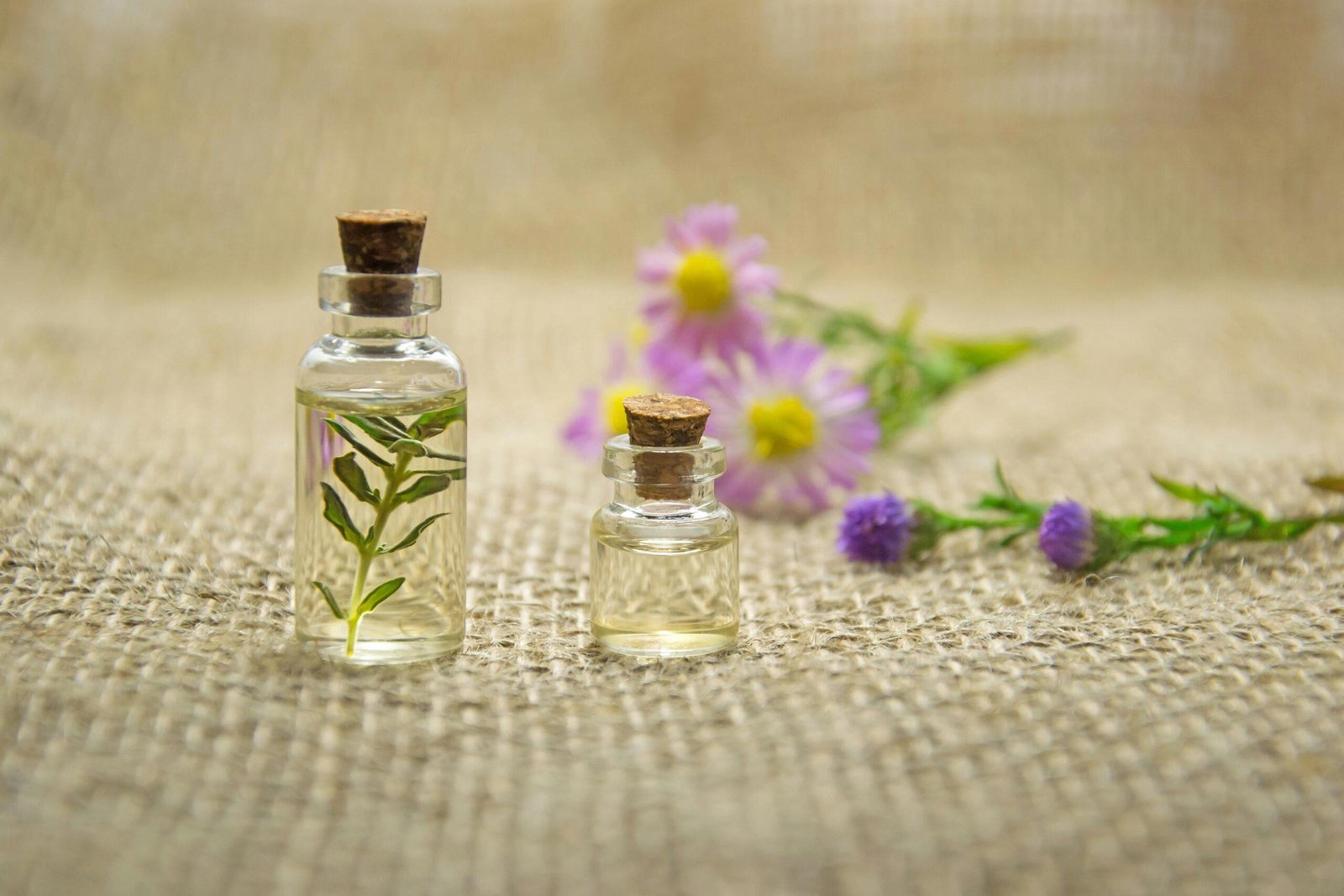
- Store Properly: Keep oils in dark glass bottles away from sunlight to maintain freshness.
- Mix Wisely: Combining incompatible oils (e.g., citrus + sun exposure) = recipe for disaster. Do your homework first!
- Don’t Overdo It: Essential oils are potent AF. Stick to recommended amounts; less truly is more.
- Avoid Terrible Advice: Ignore TikTok trends suggesting neat application—it’s literally asking for trouble.
Rant Alert: Can we talk about influencers promoting dangerous DIY recipes? Mixing lemon juice with baking soda as a “face peel”? Girl, bye. This kind of reckless behavior gives organic beauty a bad rep. Please consult experts instead of risking permanent damage!
Real-Life Glow-Ups Powered by Essential Oils

Skeptical? Meet Sarah, who swapped her $500 serum stash for lavender and geranium oils. After three months, she reported smoother texture, reduced redness, and dare I say… radiance? True story.
Another win? James, whose hormonal acne flared up post-pandemic stress. Enter tea tree oil mixed with jojoba twice daily. Voila—clear skin confidence restored.
Remember, consistency matters. Think marathon, not sprint.
FAQs About Essential Oils for Skin Care
- Can everyone use essential oils? Not necessarily. People with sensitive skin or allergies should proceed cautiously and consult dermatologists.
- Which oils work best for aging skin? Frankincense, sandalwood, and carrot seed oil are top contenders for anti-aging benefits.
- Are essential oils safe during pregnancy? Certain oils (like rosemary and clary sage) may pose risks. Always check with your doctor before use.
- Do they expire? Yes, most last 1–2 years once opened. Check expiration dates and storage instructions carefully.
Conclusion: Time to Embrace Nature’s Secret Weapons
Essential oils aren’t just another fad—they’re powerful tools rooted in science-backed tradition. By following safe practices and avoiding toxic shortcuts, you can harness their full potential for healthier, glowing skin. Don’t forget to patch test, dilute properly, and enjoy the journey toward cleaner beauty habits.
And hey, remember: Organic skincare doesn’t have to feel complicated. Treat yo’self like a Tamagotchi—daily care equals daily wins.
*Haiku Bonus:*
Oils whisper softly,
Nature heals what labs cannot,
Skin thanks thee deeply.*