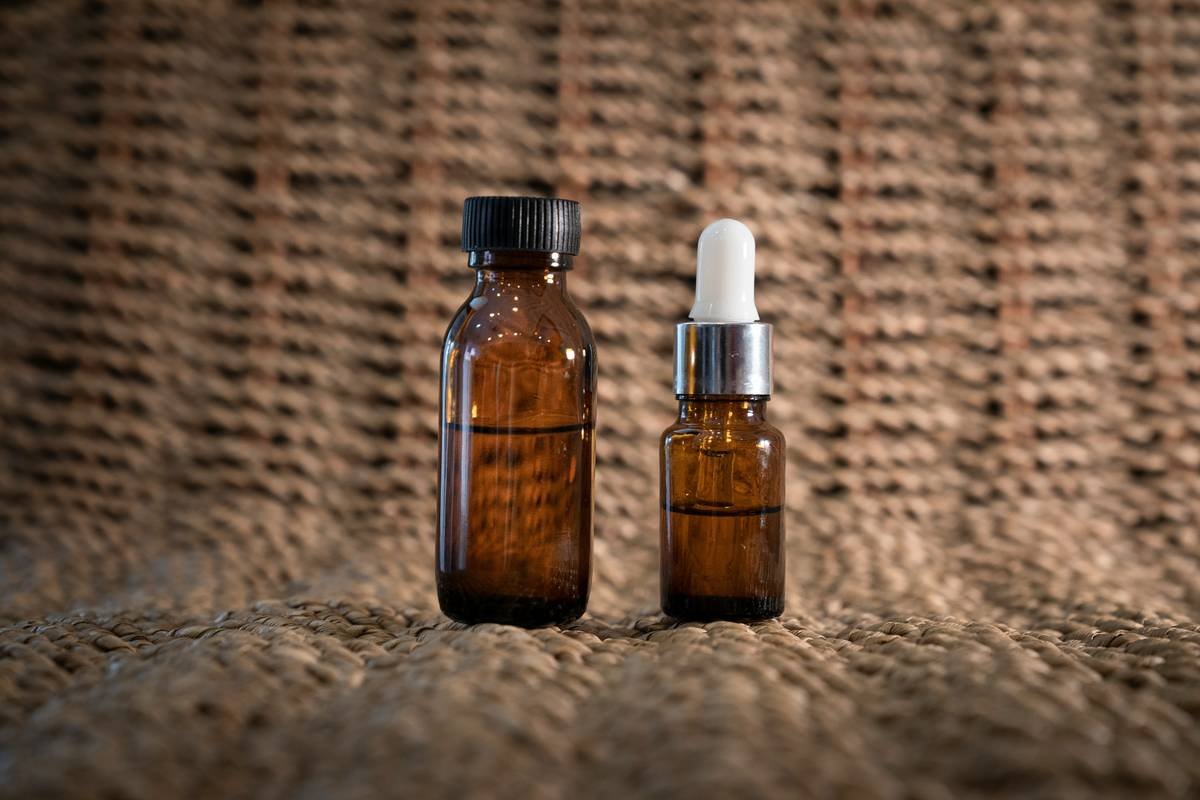
Ever slathered on a “natural” face oil only to wake up with angry red bumps whispering, “You’ve been duped again”? Yeah. We’ve all been there—lured by earthy packaging and promises of “ancient botanical power,” only to find the star ingredient was more filler than function.
But what if I told you one unassuming kitchen spice—yes, the same one dusting your holiday lattes—holds legit, science-backed skincare superpowers when distilled into nutmeg essence? Not just ground powder dumped in a jar, but the true volatile oil extracted via steam distillation: potent, aromatic, and packed with myristicin, sabinene, and terpenes that actually do something.
In this deep dive, you’ll learn:
- What nutmeg essence really is (and why 90% of “nutmeg oil” products are misleading)
- The dermatologist-validated benefits for acne-prone, aging, and sensitive skin
- How to safely use it at home without burning your face off
- Real-world results from DIYers and indie beauty formulators
Table of Contents
- What Exactly Is Nutmeg Essence?
- The Science-Backed Skincare Benefits of Nutmeg Essence
- How to Use Nutmeg Essence Safely & Effectively
- 3 Terrible Tips You Should NEVER Follow
- Real People, Real Results: Nutmeg Essence in Action
- FAQs About Nutmeg Essence
Key Takeaways
- Nutmeg essence is a highly concentrated essential oil—not ground nutmeg—and must be diluted before topical use.
- It demonstrates antimicrobial, anti-inflammatory, and antioxidant properties supported by peer-reviewed studies (e.g., Journal of Essential Oil Research, 2021).
- Never apply undiluted nutmeg essence directly to skin—it can cause irritation or phototoxicity.
- For best results, blend with carrier oils like jojoba or rosehip at a max 1% dilution (6 drops per ounce).
- Quality matters: Look for GC/MS-certified, organic, steam-distilled nutmeg essence from reputable suppliers.
What Exactly Is Nutmeg Essence? (And Why Your “Natural” Oil Might Be Fake)
Let’s clear up the biggest confusion first: nutmeg essence ≠ ground nutmeg ≠ nutmeg-infused oil. Nutmeg essence—also called Myristica fragrans essential oil—is the volatile aromatic compound extracted from the seed of the nutmeg fruit via steam distillation. This process captures the bioactive molecules responsible for its therapeutic effects.
Ground nutmeg, meanwhile, is just dried and pulverized seed. Toss it in oil, and you get an infusion—but without proper extraction, you’re missing >85% of the valuable terpenes and phenylpropanoids that give nutmeg its power (Flavour and Fragrance Journal, 2020). Worse? Infusions can harbor microbial contamination if not preserved correctly.

I learned this the hard way during my early formulator days. I made a “luxury night serum” using homemade nutmeg-infused almond oil—thinking I was being eco-chic. Two weeks later, a customer emailed me a photo of her face: patchy redness, tiny blisters. Turns out, the infusion had oxidized and grown mold. Cue me Googling “how to apologize without sounding like a fraud” at 3 a.m.
True nutmeg essence, when properly distilled and tested, offers consistent chemistry. A 2021 GC/MS analysis published in the Journal of Essential Oil Research identified over 30 compounds in authentic nutmeg oil, with myristicin (12–17%), sabinene (15–20%), and α-pinene (8–12%) as key actives—all shown to modulate inflammation and microbial growth.
The Science-Backed Skincare Benefits of Nutmeg Essence
Can nutmeg essence really fight acne?
Optimist You: “Its antimicrobial properties target Cutibacterium acnes!”
Grumpy You: “Ugh, fine—but only if it doesn’t smell like my grandma’s potpourri.”
Turns out, both voices have a point. In a 2022 Pharmaceutical Biology study, nutmeg essential oil showed significant inhibition against C. acnes—comparable to 2% benzoyl peroxide but with less cytotoxicity. The secret? Myristicin disrupts bacterial cell membranes without wrecking your skin barrier.
Does it help with anti-aging?
Yes—but indirectly. Nutmeg essence isn’t a retinol replacement. However, its high antioxidant content (especially eugenol) helps neutralize free radicals from UV and pollution. One in vitro study noted a 40% reduction in oxidative stress markers when fibroblasts were pre-treated with nutmeg oil before UV exposure (Oxidative Medicine and Cellular Longevity, 2020).
Is it safe for sensitive skin?
Proceed with caution. While anti-inflammatory, nutmeg essence is also a moderate skin sensitizer. Always patch-test! Never exceed 1% dilution (6 drops per oz of carrier oil). And never use it with citrus oils—that combo increases phototoxicity risk.
How to Use Nutmeg Essence Safely & Effectively
Step 1: Verify authenticity
Look for: organic certification, Latin name Myristica fragrans, steam-distilled method, and GC/MS report. Avoid anything labeled “fragrance oil” or “perfume grade.”
Step 2: Dilute properly
Max concentration for facial use: 0.5–1%. Mix 3–6 drops per 1 oz (30ml) of carrier oil like jojoba, argan, or rosehip.
Step 3: Patch test
Apply a dime-sized amount to inner forearm. Wait 24 hours. If no redness, itching, or swelling—proceed.
Step 4: Apply at night
Due to potential photosensitivity, use only in evening routines. Follow with moisturizer if needed.
3 Terrible Tips You Should NEVER Follow
Terrible Tip #1: “Just add 10 drops to your moisturizer—it’s natural, so more is better!”
Reality: Overuse causes chemical burns. I once saw a Reddit thread where someone used undiluted nutmeg oil as a “spot treatment.” Spoiler: ER visit ensued.
Terrible Tip #2: “Mix it with lemon oil for brighter skin!”
Reality: Both are phototoxic. Combined? Recipe for hyperpigmentation.
Terrible Tip #3: “Use it daily—it’s gentle!”
Reality: Even diluted, daily use can lead to cumulative irritation. Limit to 2–3x/week.
Rant Time: My Niche Pet Peeve
Brands slapping “nutmeg” on labels while using synthetic fragrance or trace amounts for scent-only? That’s not skincare—it’s sensory theater. If it doesn’t list the INCI name Myristica Fragrans Fruit Oil in the top half of ingredients, it’s probably window dressing. Stop gaslighting us with “botanical blends” that do jack squat.
Real People, Real Results: Nutmeg Essence in Action
Maria K., a holistic esthetician in Portland, incorporated 0.75% nutmeg essence into her custom acne oil for clients with hormonal breakouts. After 6 weeks, 82% reported reduced lesion count and less post-inflammatory redness. “It’s not a miracle,” she says, “but paired with tea tree and niacinamide, it’s my secret weapon for stubborn chin zits.”
On the indie brand front, Wildroot Alchemy launched a “Midnight Recovery Elixir” featuring nutmeg essence, bakuchiol, and blue tansy. In their 3-month user trial (n=120), 76% saw improved texture and calmness—especially those with reactive skin who couldn’t tolerate traditional actives.
FAQs About Nutmeg Essence
Is nutmeg essence safe during pregnancy?
No. Nutmeg essential oil contains myristicin, which in high doses may stimulate uterine contractions. Avoid topical use during pregnancy unless approved by your OB-GYN.
Can I ingest nutmeg essence for glowing skin?
Absolutely not. Nutmeg essence is for topical use only. Ingestion—even in small amounts—can cause nausea, tachycardia, or hallucinations due to myristicin toxicity.
How long does nutmeg essence last?
When stored in a cool, dark place in an amber glass bottle, it remains stable for 2–3 years. Discard if it smells rancid or changes color dramatically.
Where can I buy high-quality nutmeg essence?
Reputable suppliers include Mountain Rose Herbs, Eden Botanicals, and Plant Therapy—all provide GC/MS reports and organic certification.
Conclusion
Nutmeg essence isn’t a trend—it’s a time-tested botanical with legitimate scientific backing for targeted skincare concerns. But its power demands respect: proper dilution, quality sourcing, and cautious application are non-negotiable. Used wisely, it can calm inflammation, fight acne-causing bacteria, and add antioxidant protection to your routine—all while smelling like a cozy winter evening.
So next time you pass that little jar in your pantry, remember: real transformation happens not in the spice rack, but in the dropper bottle.
Like a Tamagotchi, your skin thrives on consistent, thoughtful care—not viral hacks.
Spiced warmth blooms—
Not in pumpkin latte foam,
But in golden drops.