
“Ever stared at that bottle of lavender oil wondering if it’s more than just a mood booster? Spoiler alert: your skin *loves* natural essential oils too!”
If you’re diving into the world of organic beauty, chances are you’ve heard whispers about natural essential oils. But what exactly makes them so magical for skincare? In this blog post, we’ll uncover the power of these plant-derived wonders and guide you through how to use them safely and effectively. Expect deep dives into their benefits, step-by-step application guides, pro tips, and even a cautionary tale or two (because nobody wants peppermint oil in their eyes).
Table of Contents
- Why Natural Essential Oils Are a Game-Changer
- How to Use Natural Essential Oils Safely
- 5 Tips for Maximizing Results
- Real-Life Glow-Ups: Success Stories
- FAQs About Natural Essential Oils
Key Takeaways
- Natural essential oils offer potent skincare benefits but require proper dilution.
- Popular options like tea tree and rosehip oil target acne, aging, and dullness.
- Always patch test before using new oils to avoid irritation.
- Quality matters—the best oils come from trusted organic sources.
Why Natural Essential Oils Are a Game-Changer
Pain Point Alert: Skincare aisles feel like walking into a chemistry lab. Synthetic fragrances? Check. Unpronounceable ingredients? Double-check. It’s no wonder people are flocking back to nature!
Natural essential oils aren’t some hippie fad—they’re backed by science. Extracted via steam distillation or cold pressing, these concentrated liquids retain the essence of plants without chemical meddling. Here’s why they’re worth your attention:
- Antioxidant Powerhouses: Combat free radicals with oils like frankincense and lemon oil.
- Balancing Act: Rose oil calms oily skin while jojoba mimics sebum production.
- Aromatherapy Bonus: The scent alone can reduce stress—hello, glow-from-within!
How to Use Natural Essential Oils Safely
Let’s get one thing straight: these babies are powerful. A single drop of oregano oil is enough to send your sinuses reeling—and not always pleasantly.
Confessional Fail: In my early organic oil days, I slathered undiluted peppermint oil on my face. It burned for hours. Lesson learned.
Step 1: Always Dilute First
Never apply natural essential oils directly to your skin unless guided otherwise. Mix them with carrier oils like coconut, almond, or jojoba oil.
Step 2: Perform a Patch Test
Apply a small amount of diluted oil to your inner forearm. Wait 24 hours—if no reaction occurs, you’re good to go.
Step 3: Start Small
Use 1–3 drops per treatment. “Optimist You” says, “A little goes a long way!” Meanwhile, “Grumpy You” mutters, “Ugh, fine—but only after moisturizer.”
5 Tips for Maximizing Results
- Know Your Skin Type: Tea tree works wonders for acne-prone complexions; rose geranium soothes sensitive types.
- Less Is More: Overusing oils can lead to irritation—not ideal.
- Combine Wisely: Lavender + chamomile = zen vibes and hydration goals.
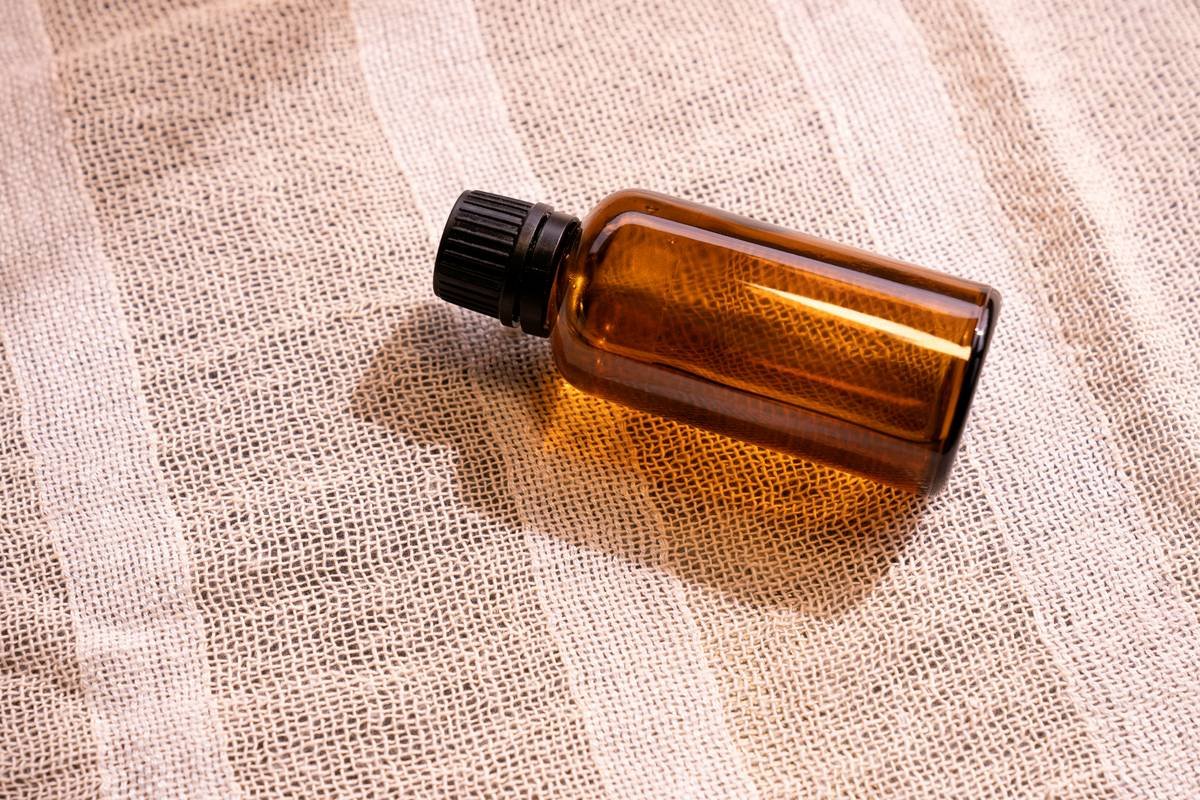
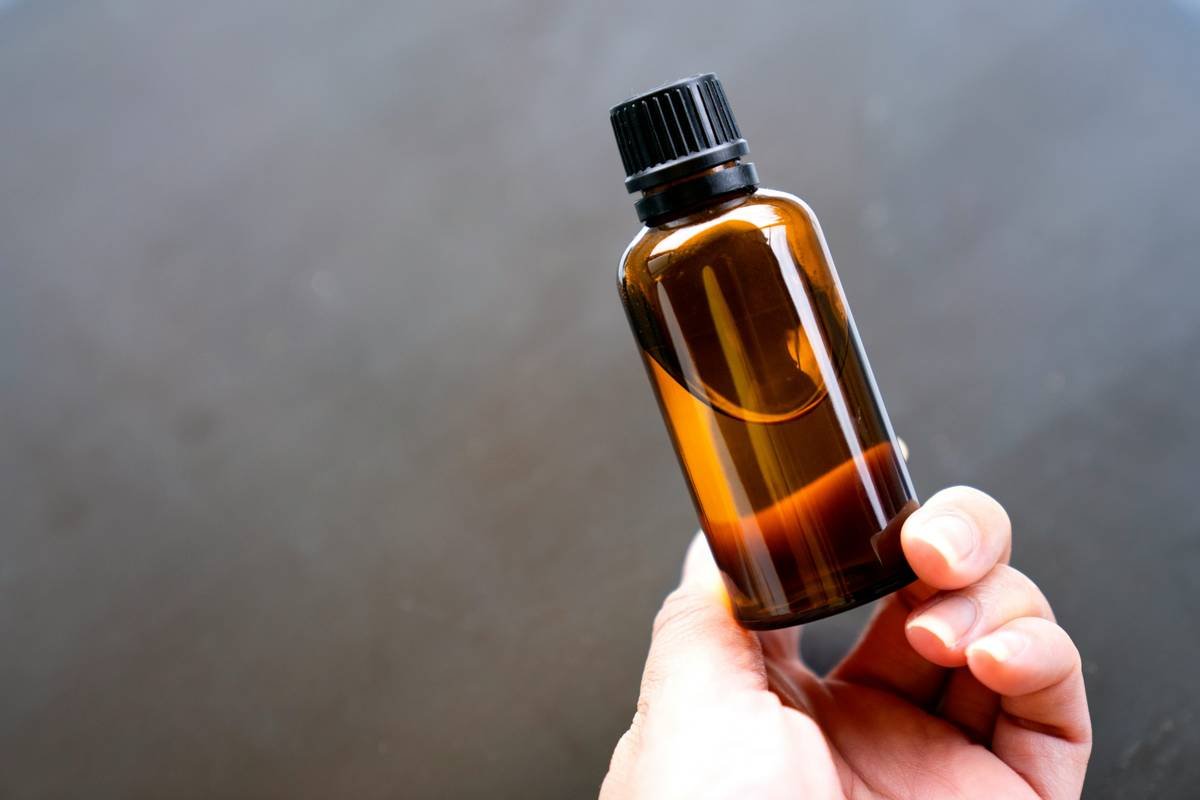
- Store Properly: Keep oils in dark glass bottles away from sunlight.
- Beware Fakes: Cheaper versions often contain synthetic additives. Invest wisely.
Terrible Tip Disclaimer: Don’t DIY a serum with random kitchen cabinet oils. Olive oil might taste great on salads, but it ain’t meant for your T-zone.
Real-Life Glow-Ups: Success Stories
Rosehip oil transformed Sarah J., an office worker battling persistent dry patches. She reported smoother texture within weeks of nightly application.
“I was skeptical at first,” she admits, “but now I have zero regrets. My skin feels dewy AF.”
FAQs About Natural Essential Oils
Can I use natural essential oils every day?
Yes, but moderation is key. Some oils, like tea tree, work well daily, while others, like citrus-based oils, may increase sun sensitivity.
Are natural essential oils safe for sensitive skin?
Generally yes, but always dilute and patch test first. Opt for gentle oils like chamomile or neroli.
Where should I store my oils?
In a cool, dry place, preferably in amber or cobalt blue bottles to protect against light degradation.
Conclusion
Natural essential oils aren’t just another passing trend—they’re here to stay, thanks to their incredible versatility and all-natural origins. By understanding how to use them safely and strategically, you can transform your skincare routine and embrace the organic beauty lifestyle fully.
Now, over to you! Will you be adding any natural essential oils to your regimen? Or are you sticking with traditional products? Either way, remember: consistency is queen when it comes to achieving radiant skin.
Like a Tamagotchi, your SEO needs daily care. And your skin deserves the same TLC 😉
Haiku Moment:
Oils whisper softly,
Nature’s touch heals skin anew,
Glow, shine, thrive naturally.