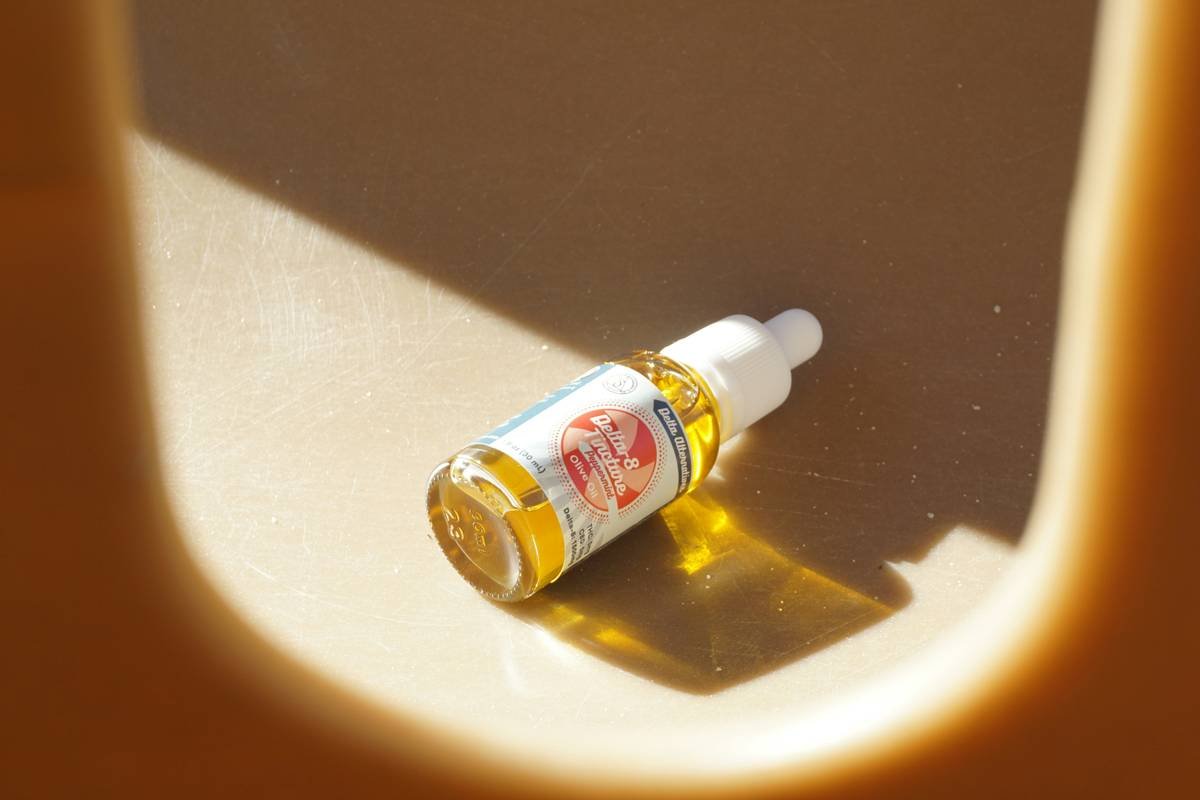
Ever looked at your kitchen cabinet and wondered, “Can cooking oils really double as skincare saviors?” Turns out, they absolutely can. But before you slather olive oil on your face or rub coconut oil onto dry elbows, let’s dive deep into how organic cooking oils are your unsung heroes in beauty routines.
This article will uncover the cooking oil benefits you never knew existed while sharing a mix of actionable steps, quirky tips, and real-world examples to help you glow naturally. You’ll learn why these kitchen staples are making waves in organic beauty circles—and how you can use them without looking like an oily mess.
Table of Contents
- Key Takeaways
- Why Cooking Oils Are More Than Just Pan-Friendly
- How to Incorporate Cooking Oils Into Your Skincare Rituals
- Top Tips & Best Practices for Using Organic Oils Effectively
- Case Studies: Real People Who Swear By Cooking Oil Magic
- Frequently Asked Questions About Cooking Oil Benefits
Key Takeaways
- Organic cooking oils provide natural hydration, nourishment, and anti-inflammatory properties.
- Certain oils like olive, coconut, and avocado can be used effectively in DIY skincare recipes.
- Always patch test new oils to avoid allergic reactions and ensure compatibility with your skin type.
- Sustainability is baked into using kitchen oils—less waste, less cost, more eco-friendly choices.
- There’s such a thing as “too much oil.” Avoid overdoing it or mixing incompatible ingredients.
Why Cooking Oils Are More Than Just Pan-Friendly
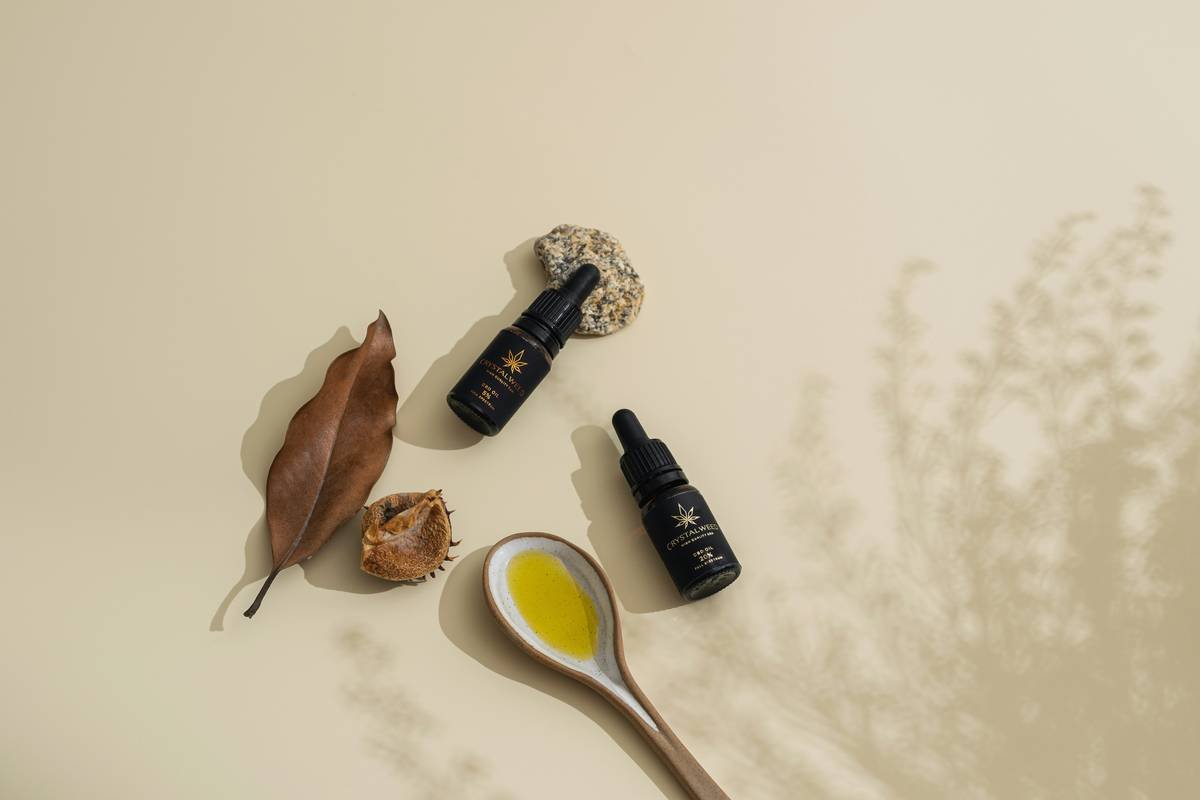
You’ve probably heard whispers about olive oil being good for your heart—but have you ever considered its potential to transform your skin? Organic cooking oils come loaded with antioxidants, vitamins, and fatty acids that not only cook up delicious meals but also nurture your largest organ: your skin.
“Optimist You:* ‘Let’s try this trendy oil hack!’ Grumpy You:* ‘Wait… I don’t want my pillow smelling like frying pan leftovers.'”
The truth is, many commercial skincare products contain harsh chemicals that strip your skin barrier faster than you can say “breakout.” Meanwhile, nature’s pantry—including oils from olives, avocados, and sunflowers—is packed with safe alternatives that work wonders. Here’s the kicker: brands charge $50+ for what amounts to glorified kitchen ingredients repackaged in chic bottles. Why not DIY smarter?
How to Incorporate Cooking Oils Into Your Skincare Rituals
Ready to swap your fancy serums for something simpler? Follow these easy steps:
Step 1: Choose the Right Oil
Different oils suit different skin types. For instance:
– Olive Oil: Great for dry skin due to its moisturizing oleic acid content.
– Coconut Oil: Ideal for antimicrobial needs (hello, acne-prone folks!).
– Grapeseed Oil: Perfect for oily skin thanks to its lightweight texture.
Step 2: Patch Test Before Committing
Don’t just dive headfirst into the trend pool. Apply a small amount behind your ear or wrist first. Wait 24 hours to rule out irritation.
Step 3: Mix & Match
Create simple blends tailored to your goals. Need brightening? Try lemon juice + olive oil. Looking for exfoliation? Sugar scrub + coconut oil = chef’s kiss.
Top Tips & Best Practices for Using Organic Oils Effectively
Tip #1: Start Small
If you’ve never experimented with oils before, start sparingly. A little goes a long way—you don’t need half a bottle splashed across your cheeks.
Tip #2: Beware Overwashing
While oils cleanse beautifully, pairing them with heavy chemical cleansers might lead to irritation. Stick to gentle soap options instead.
Terrible Tip Alert: Don’t Use Rancid Oil!
“It’s still edible,” my grandma once said after sniffing suspicious-smelling coconut oil in her closet. Gross. Always check expiration dates; rancid oil does zero favors for your complexion.
Tips Continued…
- Avoid applying oils directly before bed unless you love pillowcase stains.
- Look for cold-pressed or unrefined varieties—they retain maximum nutrients.
- Store oils away from heat and sunlight to preserve their potency.
Case Studies: Real People Who Swear By Cooking Oil Magic
Lisa M., a 29-year-old wellness blogger, swears by her nightly avocado oil facial ritual. “I used to buy expensive creams for eczema flare-ups. Now, pure avocado oil calms my skin overnight,” she says.
Then there’s Jake T., who discovered grapeseed oil during his battle against acne scars. “I mixed it with honey weekly as a mask. Six months later, those scars are barely visible!” he shares.

Frequently Asked Questions About Cooking Oil Benefits
Q: Can I use any type of cooking oil on my skin?
Nope! Opt for organic, non-GMO versions meant for consumption. Industrial oils may carry toxins harmful to skin health.
Q: Is it safe to leave cooking oil on overnight?
Yes, if you use light oils like jojoba or argan. Heavy ones like coconut could clog pores overnight if you have oily skin.
Q: Can cooking oil replace my moisturizer?
For some people, yes—but everyone’s skin behaves differently. Experiment cautiously.
Q: What’s the best oil for sensitive skin?
Rosehip seed oil often gets rave reviews because it’s gentle yet effective for redness and sensitivity.
Conclusion
Who knew your cupboard held untapped beauty treasures? With careful selection and mindful usage, cooking oil benefits extend far beyond the kitchen. Remember, consistency is key—even the most miraculous ingredient takes time to show results.
So go ahead—ditch the pricey potions and give organic oils a shot. Chef’s kiss awaits!
Random haiku moment: Sunflower blooms soft / Golden oil kisses skin / Nature heals quietly.