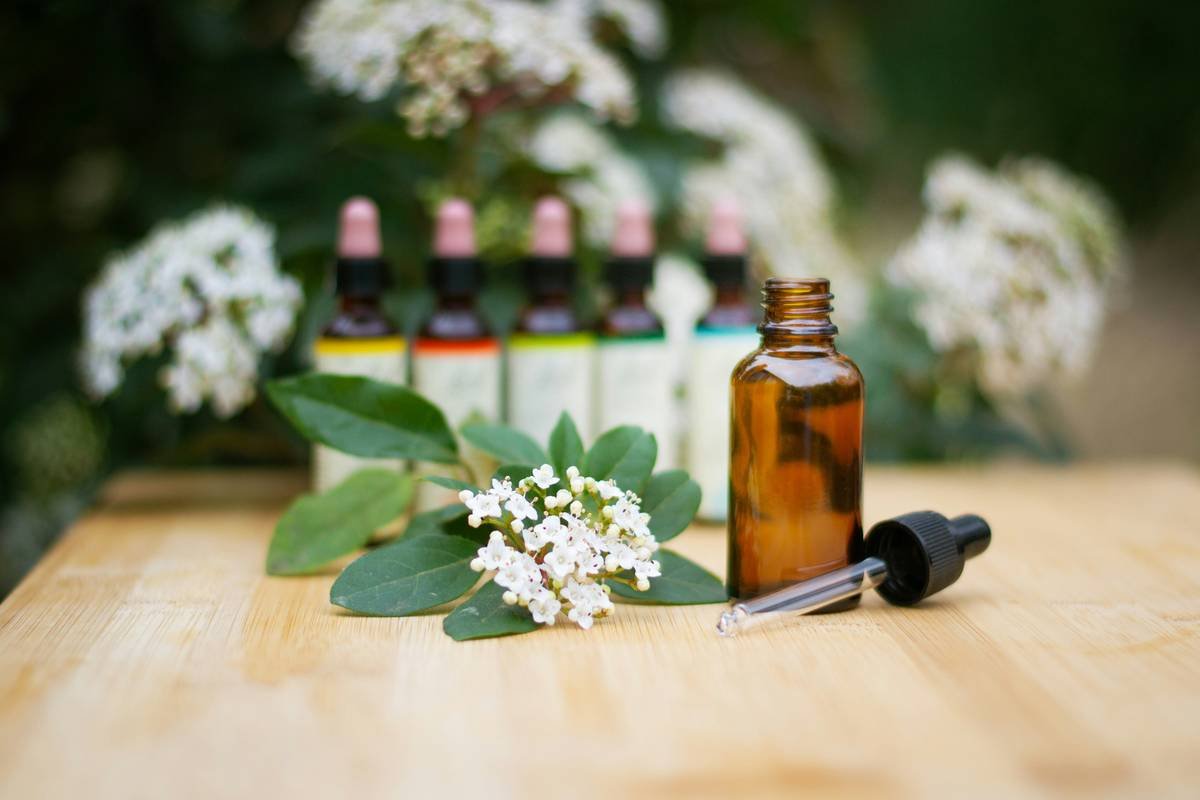
Ever stared at your skincare shelf, overwhelmed by labels like “paraben-free,” “organic,” and “natural”? We’ve all been there. But what if I told you that the real MVP of organic beauty isn’t some exotic serum—it’s natural flower extracts? These powerhouse ingredients aren’t just trendy; they’re transforming how we think about clean, effective skincare.
In this post, we’ll unpack why natural flower extracts are worth the hype, how to use them with organic oils for glowing skin, and (bonus!) a rant about greenwashing. By the end, you’ll know exactly how to harness these botanical wonders without falling for marketing fluff. Ready? Let’s dive in!
Navigating This Post: Jump Straight to What You Need
- Why Natural Flower Extracts Matter in Organic Beauty
- How to Use Natural Flower Extracts with Organic Oils
- Tips for Picking Quality Products
- Real-Life Success Stories with Flower Power
- FAQs About Natural Flower Extracts
Key Takeaways:
- Natural flower extracts pack potent antioxidants and vitamins perfect for organic oil blends.
- Pairing them with carrier oils like jojoba or rosehip boosts absorption and effectiveness.
- Fake claims abound! Always check certifications when buying products labeled “natural.”
- DIY recipes using flower extracts can save money and reduce waste.
Why Natural Flower Extracts Matter in Organic Beauty
Here’s the tea: not long ago, I tried making my own DIY face oil blend because #PinterestInspo. Instead of glowing skin, I ended up looking like an oil slick. Why? Because I didn’t understand which ingredients worked together—or why natural flower extracts were so crucial.
Facts first: natural flower extracts contain concentrated amounts of plant-based actives like flavonoids, terpenes, and polyphenols. These compounds fight free radicals, lock in moisture, and even calm irritated skin. Think of them as tiny superheroes inside every dropper of your favorite organic oil.
Rant alert: The worst part? Brands slap buzzwords like “botanical” and “clean” on their bottles without any regulation. So while you might think you’re getting pure chamomile or calendula goodness, it could just be synthetic fragrance disguised as nature therapy. *Chef’s kiss* for disappointment.
Optimist You: “But it’s easy to spot good products!”
Grumpy Me: “Ha. Have fun navigating ingredient lists longer than your last breakup text.”
How to Use Natural Flower Extracts with Organic Oils
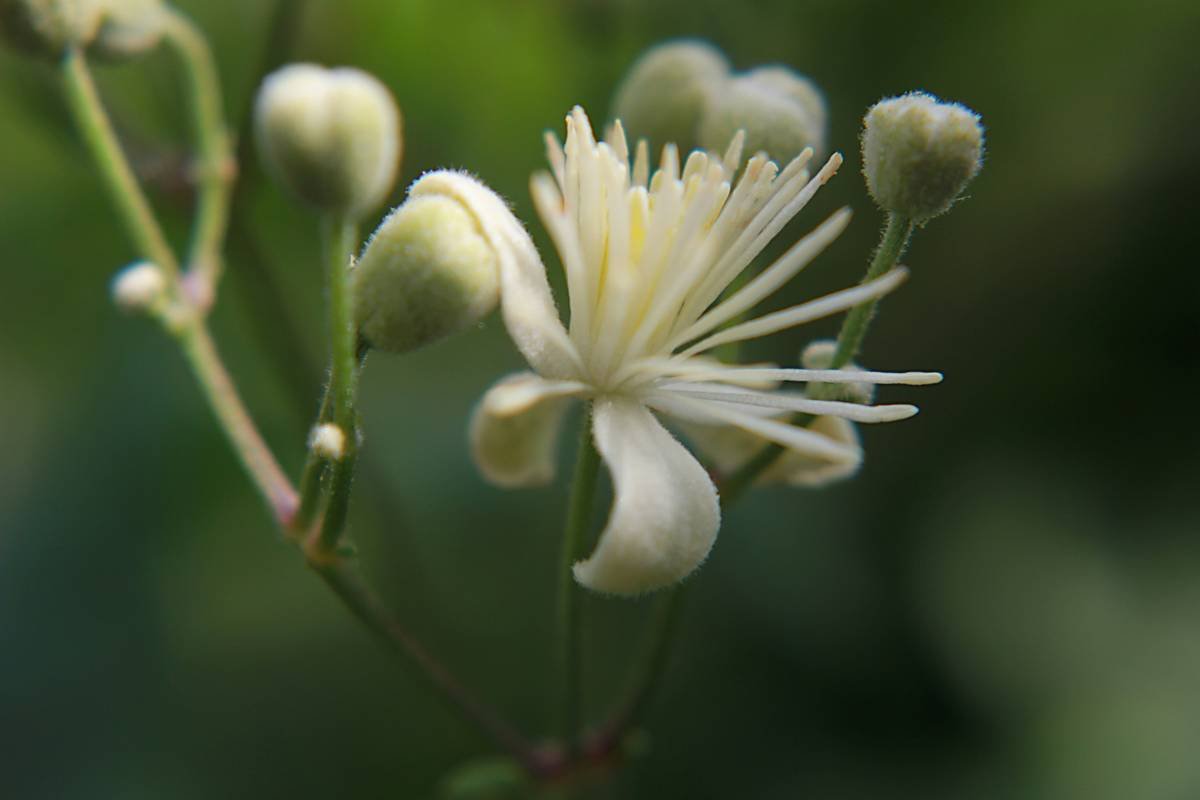
Now that we know why natural flower extracts rock, let’s talk action. Here’s a step-by-step guide to incorporating them into your routine:
Step 1: Choose Your Base Oil
Pick a carrier oil that suits your skin type. Jojoba is great for oily skin, almond oil works wonders for dryness, and argan oil is universally loved.
Step 2: Select Your Extract
Popular options include lavender for soothing, rose for hydration, and calendula for healing inflammation. Match the benefits to your needs.
Step 3: Mix It Up
Combine one teaspoon of your base oil with two drops of natural flower extract. Never overdo it—less is more!
Step 4: Patch Test Like a Pro
Apply a small amount behind your ear. Wait 24 hours to ensure no allergic reactions occur before slathering it everywhere.
Note: Do NOT skip patch testing unless you enjoy turning your skin into an experimental canvas (*spoiler*: not cute).
Tips for Picking Quality Products
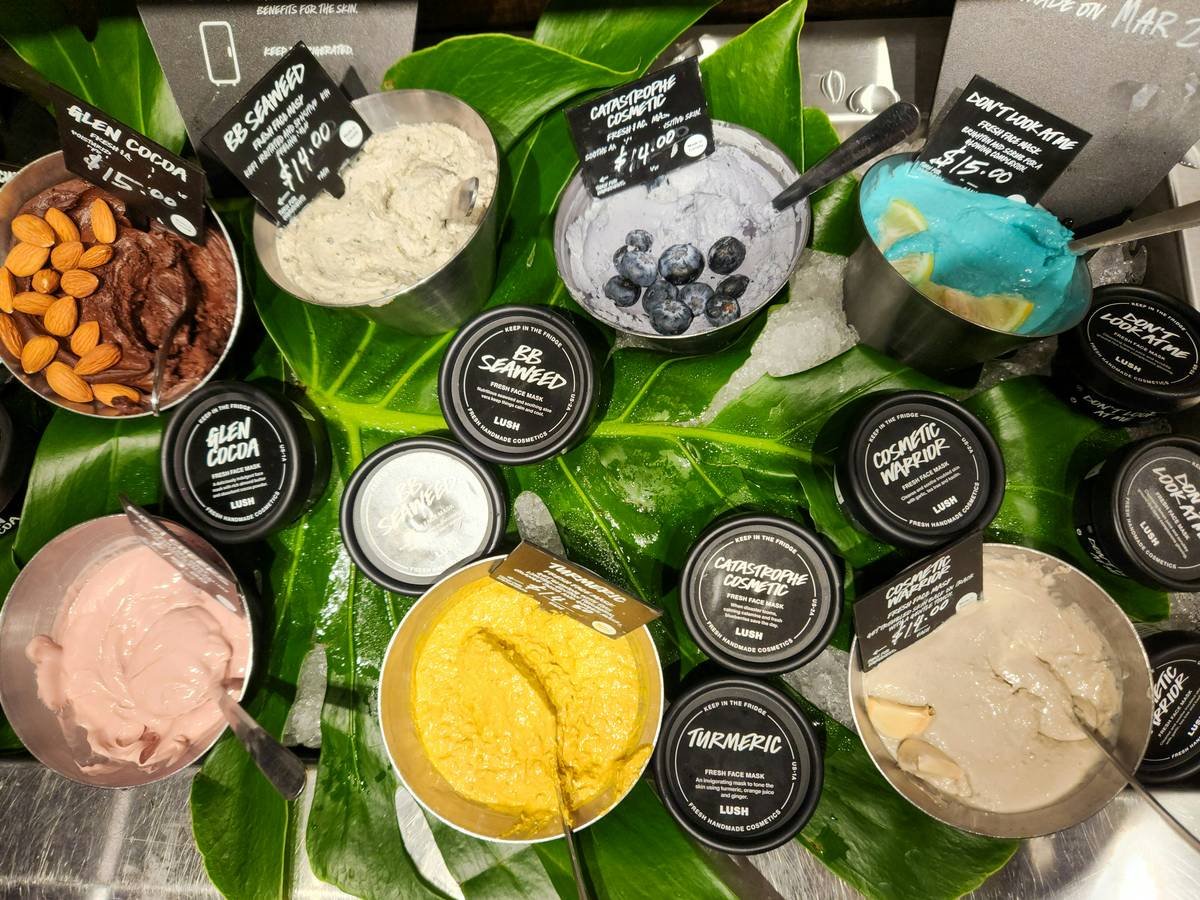
1. Look for Certifications
Words mean nothing without proof. Seek out USDA Organic, COSMOS Natural, or Ecocert seals.
2. Avoid Fragrance Overload
If the ingredient list says “fragrance,” it’s likely synthetic—not natural flower extract magic.
3. Check Packaging
Opt for dark glass bottles to protect the potency of those precious extracts from sunlight damage. Clear plastic? Hard pass.
4. DIY Isn’t Always Better
Sure, DIY sounds fun, but improper storage or mixing ratios can lead to spoiled concoctions. Proceed with caution.
Real-Life Success Stories with Flower Power
Take Sarah, a 35-year-old graphic designer who battled persistent redness for years. She swapped chemical serums for a mix of calendula extract and jojoba oil—and voilà! Her skin transformed within weeks.
Or consider Lisa, whose sensitive scalp rejected every commercial conditioner until she stumbled upon chamomile-infused argan oil. Now her hair shines brighter than Instagram filters allow.
Proof point: A study published in Journal of Cosmetic Dermatology found that participants using lavender extract showed significant improvement in acne scars compared to placebo groups. Just sayin’.
FAQs About Natural Flower Extracts
Q: Are natural flower extracts suitable for sensitive skin?
Absolutely! Many are hypoallergenic, but always patch test first to avoid surprises.
Q: Can I mix multiple extracts in one blend?
Yes—you can layer different extracts for combined benefits, but stick to low concentrations to prevent irritation.
Q: How do I store homemade blends?
Keep them in a cool, dark place away from direct sunlight. Glass dropper bottles work best.
Final Thoughts: Harness the Power of Natural Flower Extracts
So there you have it—natural flower extracts aren’t just another fleeting trend; they’re scientifically-backed powerhouses ready to elevate your organic oil game. From choosing quality products to crafting your own blends, you now hold the keys to radiant, glowing skin.
Oh, and here’s a little something for nostalgia lovers: Remember Tamagotchis? They needed daily care to thrive. Same goes for your skin—it deserves love, consistency, and ingredients that truly work.
Catch you next time—and don’t forget to smell the roses. 🌸
Petals in hand,
Oils whisper softly,
Glow grows anew.