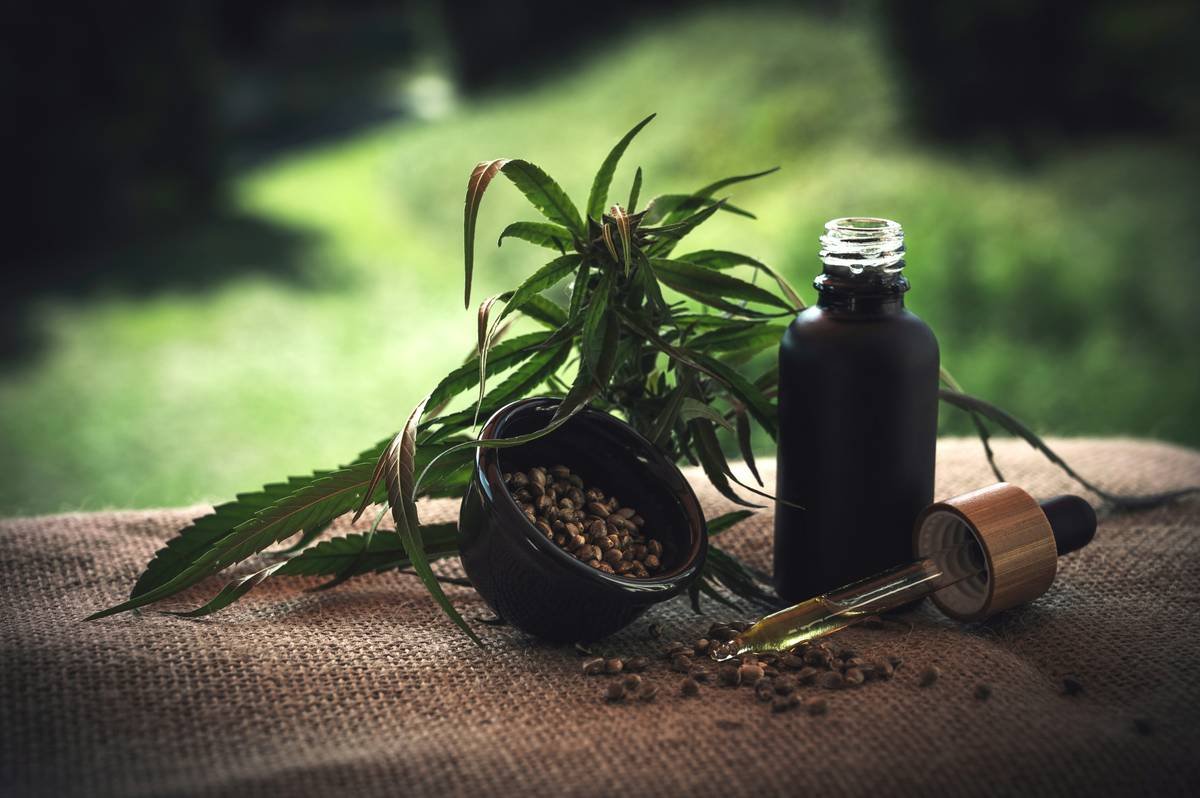
Ever stared at the endless rows of skincare products and thought, “Which one is actually safe for my skin *and* effective?” Yeah, us too. The truth is, many conventional beauty products come packed with synthetic chemicals that might cause more harm than good. But what if the secret to glowing skin has been hiding in plain sight? Enter herbal antioxidants—nature’s powerhouse ingredients harnessed through organic oils.
In this article, we’ll dive deep into why herbal antioxidants in organic oils are revolutionizing the beauty industry. You’ll learn about their benefits, how to incorporate them into your routine, tips for selecting quality products, real-life success stories, and answer FAQs like a pro. Let’s glow naturally!
Table of Contents
- Introduction: Why Herbal Antioxidants?
- Key Takeaways
- The Problem with Conventional Beauty
- Step-by-Step Guide to Using Organic Oils
- Tips & Best Practices
- Real-Life Examples
- Frequently Asked Questions
- Conclusion
Key Takeaways
- Herbal antioxidants combat oxidative stress, reducing signs of aging naturally.
- Organic oils are free from harmful additives, making them safer for long-term use.
- Achieve radiant skin by choosing high-quality, cold-pressed oils rich in vitamins A, C, and E.
- Incorporate herbal antioxidant-infused skincare routines step-by-step for maximum effectiveness.
The Problem with Conventional Beauty Products
“I once bought an expensive moisturizer filled with promises but ended up breaking out worse than ever.” Sound familiar? Conventional beauty products often contain parabens, sulfates, and other synthetics that can irritate sensitive skin. And while they claim instant results, these effects tend to vanish faster than your morning coffee.
Meanwhile, our environment bombards us daily with pollutants, UV rays, and toxins that accelerate skin damage. Without protection from powerful antioxidants, premature wrinkles, dullness, and discoloration settle in quicker than you’d think.
“Optimist You:” ‘Surely there’s a better way…’
Grumpy You: ‘Ugh, fine—but only if it doesn’t require turning my bathroom into a science lab.’ Spoiler alert: It doesn’t.
Step-by-Step Guide to Using Organic Oils

Step 1: Identify Your Skin Type
No two faces are alike, so start here. Whether oily, dry, combination, or sensitive, understanding your skin type helps match the right oil to your needs.
Step 2: Research Herbal Antioxidant-Rich Oils
Look for oils bursting with vitamins and phytonutrients. Rosehip seed oil (rich in vitamin C), argan oil (packed with vitamin E), and jojoba oil (anti-inflammatory) are fantastic options. Bonus points if they’re certified organic and cold-pressed—the Gold Standard of extraction.
Step 3: Start Small
Patch test first. Dab a tiny amount on your wrist and wait 24 hours before slathering it all over your face. “Because nobody needs a reaction louder than their Monday morning alarm.”
Step 4: Incorporate Into Your Routine
Add a few drops of organic oil after cleansing and toning. Gently massage in upward motions for absorption. Follow with sunscreen during the day—it’s SPF o’clock always!
Tips & Best Practices
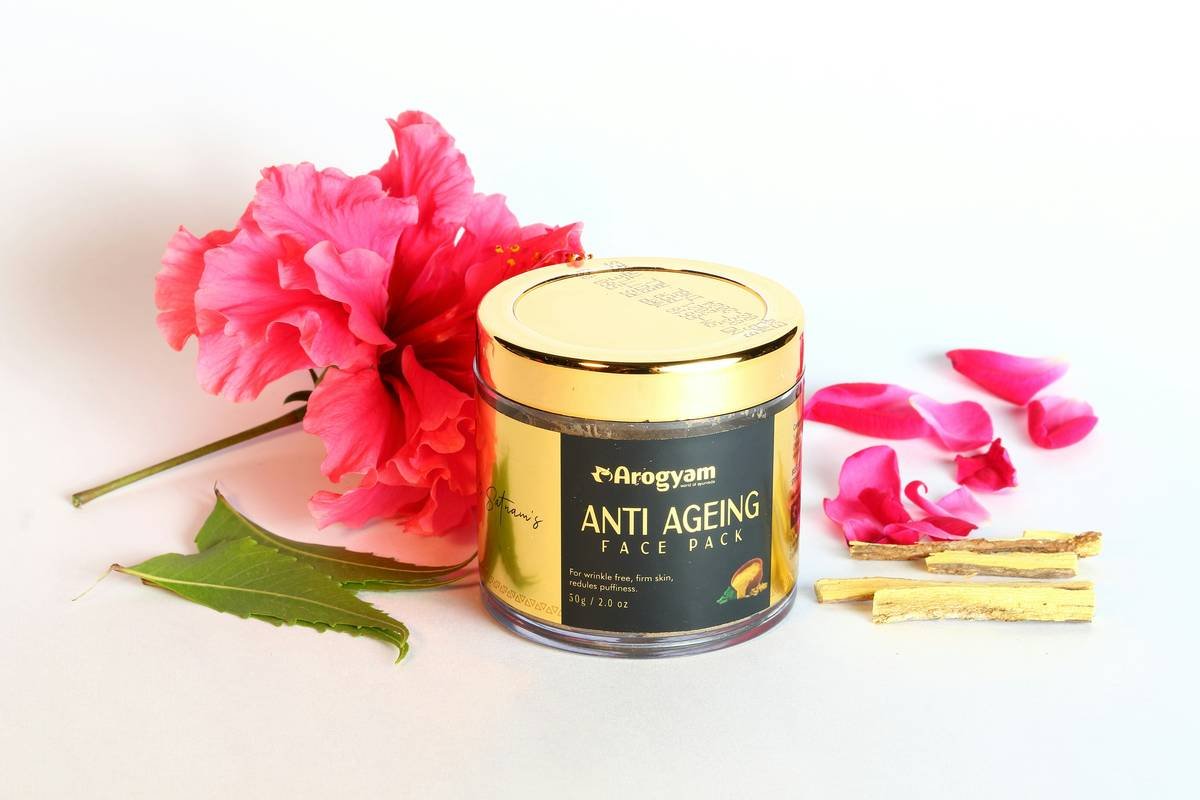
- Beware of Marketing Hype: Just because something says “natural” doesn’t mean it’s organic or toxin-free. Look for certifications like USDA Organic or COSMOS.
- DIY Doesn’t Always Mean Safe: While DIY masks sound fun, some combinations can be irritating. For example, mixing lemon juice directly onto skin = recipe for disaster.
- Pamper Your Scalp Too: Herbal antioxidant-rich oils aren’t just for facials. Massage them into your scalp to promote healthy hair growth and reduce dandruff.
Real-Life Examples
Amy, a busy mom from Portland, swapped her drugstore serums for rosehip seed oil infused with herbal antioxidants. Within six weeks, her stubborn dark spots faded significantly, leaving room for her glowing confidence. Another case? Sarah, a skincare enthusiast, combined argan oil with frankincense essential oil for nighttime hydration—and now swears it erased five years off her complexion.
Stats back this up: Studies show that plant-derived antioxidants reduce inflammation and repair environmental damage far more effectively than synthetic alternatives.
Frequently Asked Questions
Are Herbal Antioxidants Better Than Synthetic Ones?
Absolutely! Not only do they protect against free radicals, but they also nourish the skin with additional nutrients. Plus, they work harmoniously with your body’s chemistry.
Can I Use Multiple Oils at Once?
Yes, layering oils tailored to different concerns works wonders. For instance, pair hydrating argan oil with clarifying tea tree oil for balanced skin. Just go easy—less is more!
Do Herbal Antioxidants Work for Acne-Prone Skin?
Totally! Oils like grapeseed and neem have antibacterial properties, tackling breakouts without stripping moisture.
Conclusion
Your journey to radiant, healthy skin begins with embracing the power of herbal antioxidants found in organic oils. Swap harsh chemicals for nature’s gentle touch, follow our guide, sprinkle in some expert tips, and watch your luminosity soar. Now get out there and glow responsibly!
Before you leave, enjoy this little haiku:
Seeds turn into oil,
Nature holds the true secret,
Glow bright, earth-born light.