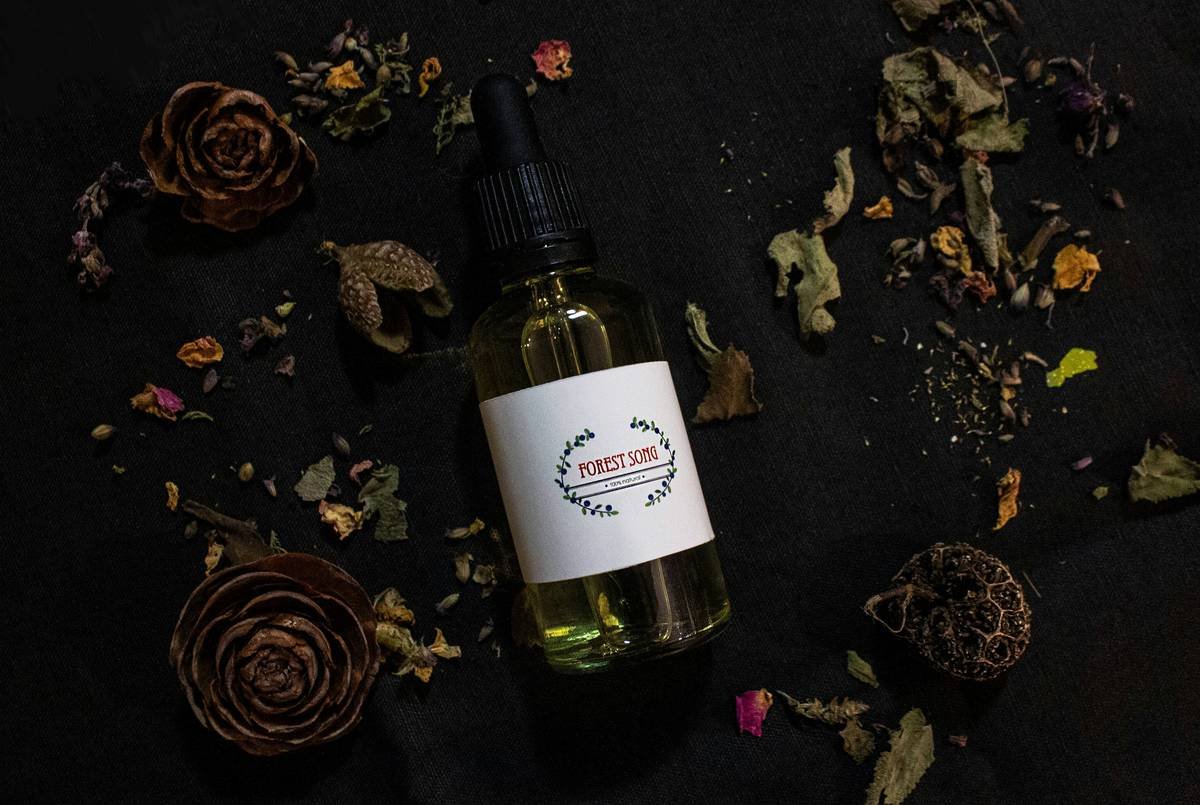
Ever slathered on a moisturizer only to realize it feels greasier than last night’s pizza? Or worse, found yourself breaking out from an oil marketed as “all-natural”? Yeah, we’ve all been there. So what if I told you there’s an unsung hero in the world of organic oils—organic sunflower oil—that could transform your skincare routine without any drama?
In this post, we’ll dive deep into why organic sunflower oil is the next big thing in natural beauty. You’ll discover its benefits, how to use it effectively, and even some brutal honesty about when NOT to trust the hype.
Table of Contents
- Key Takeaways
- Why Organic Sunflower Oil Deserves Your Attention
- How to Use Organic Sunflower Oil in Your Routine
- Tips & Best Practices for Using This Golden Elixir
- Real-Life Success Stories with Organic Sunflower Oil
- Frequently Asked Questions About Organic Sunflower Oil
- Conclusion
Key Takeaways
- Organic sunflower oil is rich in vitamin E and essential fatty acids, making it ideal for hydration and skin repair.
- It can be used as a standalone moisturizer, makeup remover, or carrier oil for other ingredients.
- While safe for most skin types, patch tests are crucial to avoid potential allergic reactions.
- Pure, cold-pressed varieties ensure maximum nutrient retention compared to refined versions.
Why Organic Sunflower Oil Deserves Your Attention
“But wait,” says Skeptical You, “isn’t all oil the same?” Oh sweet summer child, no. Not remotely.
Let me tell you a story: A couple years back, I was *so* convinced olive oil would solve my dry skin woes that I drenched myself in it before bed. Spoiler alert—it didn’t work, and I spent half the night feeling like a greasy chicken nugget. Lesson learned? Just because something claims to hydrate doesn’t mean it will—especially not without clogging pores.
Enter organic sunflower oil: The silky-smooth champion of lightweight moisture. Unlike heavier oils like coconut or olive, sunflower oil absorbs quickly, leaving no residue behind. Plus, it’s packed with antioxidants and nutrients like Vitamin E, linoleic acid, and omega-6 fatty acids. Translation? This stuff isn’t just sitting pretty—it’s working hard to soothe irritation, combat aging, and boost overall skin health.
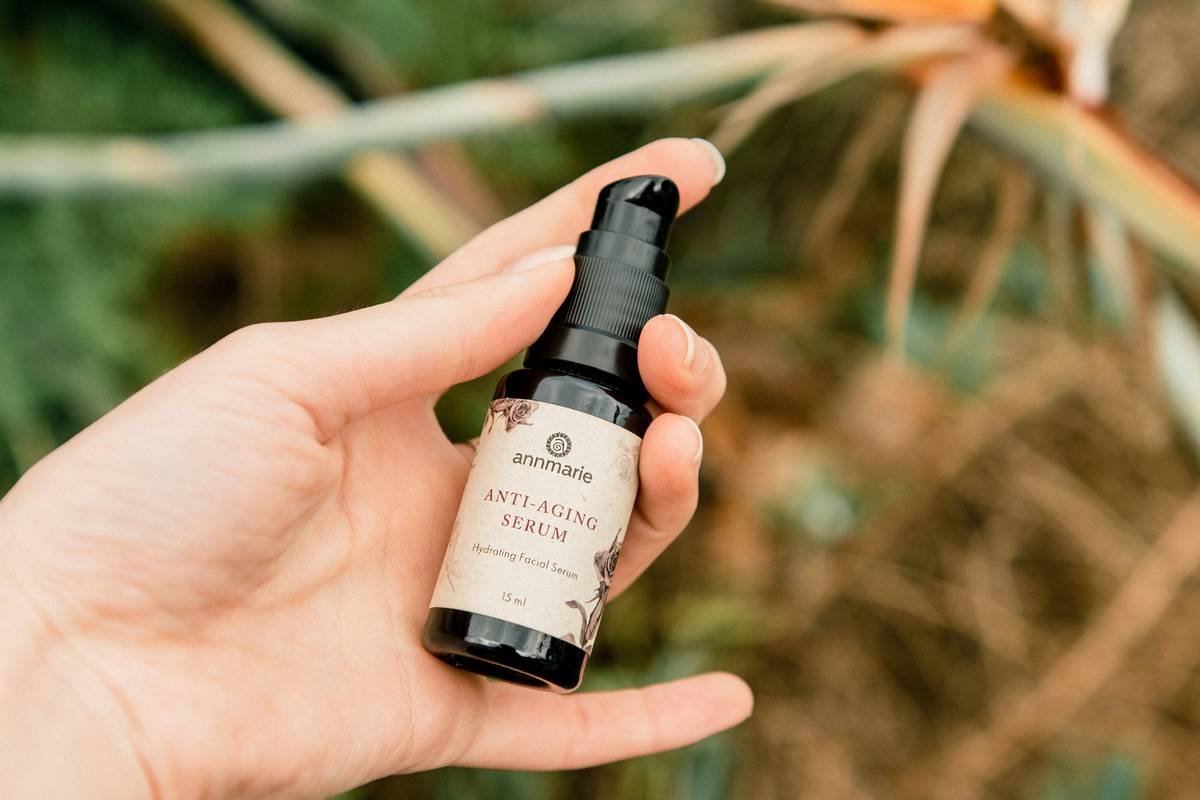
And let’s not overlook the organic factor. Conventional sunflower oil may contain pesticides and additives that undermine its natural goodness. Opting for certified organic ensures purity—and peace of mind.
Optimist You: “This sounds too good to be true!”
Grumpy Me: “Fine, but don’t expect miracles overnight. Good skincare takes effort.”
How to Use Organic Sunflower Oil in Your Routine
Alright, now that you’re sold on organic sunflower oil (or at least intrigued), here’s how to incorporate it into your regimen:
As a Moisturizer
- Cleanse your face thoroughly.
- Apply 2-3 drops of organic sunflower oil directly onto damp skin.
- Gently massage using circular motions until absorbed.
- Follow up with sunscreen during the day.
As a Makeup Remover
- Place a few drops on a cotton pad.
- Dab gently over makeup-laden areas (eyes, lips, etc.).
- Rinse afterward to remove any residue.
As a Carrier Oil for Essential Oils
Sunflower oil makes an excellent base for blending with essential oils like lavender or tea tree for targeted treatments. Just mix a few drops of each and apply sparingly.
Pro Tip: Always start small. Using too much oil can feel counterproductive.
Tips & Best Practices for Using This Golden Elixir
- Patch Test First. No matter how pure the oil, always test it on a small area of skin first to rule out allergies.
- Stick to Cold-Pressed Varieties. Refining processes strip away many of the beneficial compounds, so stick to cold-pressed for maximum potency.
- Avoid Overuse. Yes, it’s great—but moderation is key. Too much oil might disrupt your skin barrier.
Now, for the rant section:
Listen up, people. Stop falling for flashy packaging and empty promises. Just because an oil bottle screams “NATURAL” across the front doesn’t make it trustworthy. Always check for certifications and ingredient lists. And whatever you do, DO NOT buy anything labeled “fragrance.” That’s code for synthetic nasties hiding in plain sight.
Real-Life Success Stories with Organic Sunflower Oil
Tina from Wisconsin swears by organic sunflower oil for her eczema-prone skin. She uses it daily and noticed a significant reduction in redness within weeks. Similarly, Maria, a mom of two, replaced her expensive serums with this humble oil—and hasn’t looked back since.

For those who prefer numbers, studies show that regular application increases skin hydration levels by up to 40%. Chef’s kiss.
Frequently Asked Questions About Organic Sunflower Oil
Is organic sunflower oil comedogenic?
Nope! With a rating of 0-2 on the comedogenic scale, it’s unlikely to clog pores or cause acne.
Can I cook with organic sunflower oil?
Technically yes, but keep separate bottles for cooking vs. skincare to avoid cross-contamination.
Does it have a shelf life?
Typically, around 12 months if stored properly in a cool, dark place.
Conclusion
If there’s one thing to take away today, it’s this: organic sunflower oil isn’t just another fad—it’s science-backed skincare gold. Whether you need extra hydration, want to simplify your routine, or are looking for an affordable alternative to pricey products, this oil delivers.
So grab a bottle already! And remember—your skin deserves better than the greasy messes of yesteryear.
Sunshine in a drop,
Skin drinks deep, blooms anew.
Nature’s gift shines bright.