Have you ever looked in the mirror, only to see dull, irritated, or damaged skin staring back at you? Yeah, me too. And trust me—I’ve tried everything from drugstore moisturizers to DIY avocado masks (spoiler alert: they’re messy and not miracle workers). But here’s the good news: skin repair oils might just be your holy grail.
In this post, we’ll dive deep into why organic oils are a game-changer for skincare, how to choose the right ones, and actionable tips for using them effectively. You’ll also get real-world examples, plus a few rant-worthy truths about overpriced beauty products. Let’s go!
Table of Contents
- Key Takeaways
- Why Your Skin Needs Repair—and Why Oils Work Wonders
- Step-by-Step Guide to Using Skin Repair Oils
- Tips for Getting the Most Out of Organic Skin Repair Oils
- Real-Life Success Stories with Skin Repair Oils
- Frequently Asked Questions About Skin Repair Oils
Key Takeaways
- Organic skin repair oils provide concentrated hydration without synthetic additives.
- Oils like rosehip, argan, and jojoba can target specific skin concerns such as scars, dryness, and inflammation.
- Proper application techniques are crucial—go light, layer it, and always patch-test!
- Some oils may clog pores if misused, so tread carefully based on your skin type.
Why Your Skin Needs Repair—and Why Oils Work Wonders
Here’s the ugly truth: Our skin is constantly under attack. Pollution, UV rays, harsh cleansers, and even stress wreak havoc on our complexion. The result? Dullness, redness, breakouts, and fine lines staring us down faster than we’d like to admit.
I once spent $80 on a “miracle” serum promising plump, radiant skin. Spoiler: It dried out my face instead. That’s when I turned to organic skin repair oils. Why do they work? Because these little bottles of liquid gold mimic your skin’s natural sebum—the oil it produces to stay healthy. When you give your skin what it naturally craves, magic happens.
Step-by-Step Guide to Using Skin Repair Oils
Step 1: Choose the Right Oil for Your Skin Type
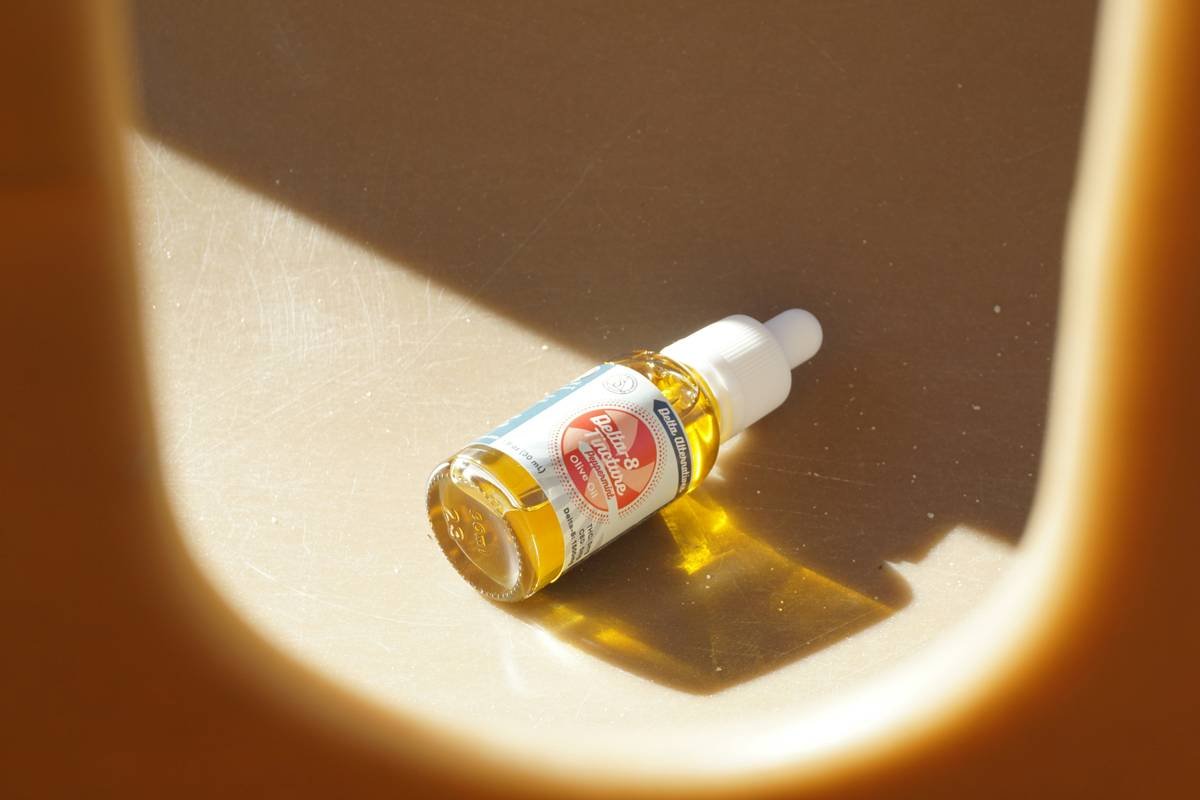
Not all oils are created equal. Here’s a quick cheat sheet:
- Rosehip Oil: Great for anti-aging and hyperpigmentation.
- Argan Oil: Perfect for hydration and smoothing dry patches.
- Tea Tree Oil: Ideal for acne-prone skin (but dilute it first!).
Step 2: Cleanse Before Applying
Don’t skip this step! A clean canvas ensures better absorption. Use a gentle, sulfate-free cleanser that doesn’t strip your skin.
Step 3: Apply Sparingly
Less is more. Start with one or two drops and warm them between your palms before pressing onto your face. Rubbing vigorously will irritate your skin—not ideal.
Step 4: Layer Smartly
If you’re using other products like serums or moisturizers, apply thinner formulas first followed by thicker ones like oils. Think water → serum → oil.
Tips for Getting the Most Out of Organic Skin Repair Oils
- Patch Test: Even natural oils can irritate sensitive skin. Try a small amount behind your ear before going full-face.
- Mix with Other Products: Add a drop of oil to your foundation or moisturizer for an extra glow boost.
- Avoid Overuse: Grumpy You: “More isn’t merrier.” Stick to once daily unless directed otherwise.
- Store Properly: Opt for glass bottles kept away from sunlight to preserve the oil’s quality.
Real-Life Success Stories with Skin Repair Oils
Tired of reading fluff? Here’s proof that skin repair oils deliver:
- Case Study #1: After years of battling stubborn acne scars, Sarah switched to organic rosehip oil. Within six weeks, her dark spots had significantly faded.
- Case Study #2: Mark, who struggled with eczema flare-ups, found relief after applying evening primrose oil nightly. His itching reduced by 70% in just a month.
Frequently Asked Questions About Skin Repair Oils
Are skin repair oils comedogenic?
Some oils, like coconut oil, can clog pores. Always check the comedogenic rating before buying.
Can I use multiple oils together?
Yes, but start with one to observe how your skin reacts. Mixing too many can lead to irritation.
How long does it take to see results?
Patience is key! Most people notice improvements in 2–6 weeks, depending on their concern.
Conclusion
Skin repair oils aren’t just another passing trend—they’re backed by science and centuries of tradition. From choosing the right oil to using it wisely, you now have the tools to transform your skincare routine. So, Optimist You says, “Give these natural wonders a shot!” Meanwhile, Grumpy You replies, “But don’t expect miracles overnight.” Fair enough.
Like a Tamagotchi, your SEO needs daily care.