
Ever wondered why your skincare routine feels incomplete even after layering ten serums? The answer might be simpler than you think—your skin craves healthy fats. But before you reach for the nearest moisturizer, hear us out: organic oils are where it’s at. Yes, these elixirs of nature pack a punch when it comes to nourishing your skin the right way.
In this post, we’ll dive into why healthy fats matter in your beauty regimen, how organic oils reign supreme, and actionable steps to incorporate them into your daily routine (plus some brutally honest insider tips). Ready?
Table of Contents:
Key Takeaways
- Healthy fats from organic oils hydrate, repair, and protect your skin naturally.
- Using pure organic oils can help avoid harmful chemicals found in synthetic products.
- You don’t have to break the bank; simple practices yield big results.
Why Should You Care About Healthy Fats?

Let me share a personal fail here. I once lathered on every “non-greasy” lotion claiming to fix my dry patches. It backfired spectacularly, leaving me with more irritation than relief. What I didn’t know was that my skin wasn’t craving water—it needed lipids. These essential fatty acids act as building blocks, forming a natural barrier against pollution and locking in moisture.
According to experts at WebMD, healthy fats like omega-3s reduce inflammation and keep your complexion glowing. Enter organic oils—packed with antioxidants, vitamins E & A, and those oh-so-coveted lipids.
How to Use Organic Oils for Maximum Glow
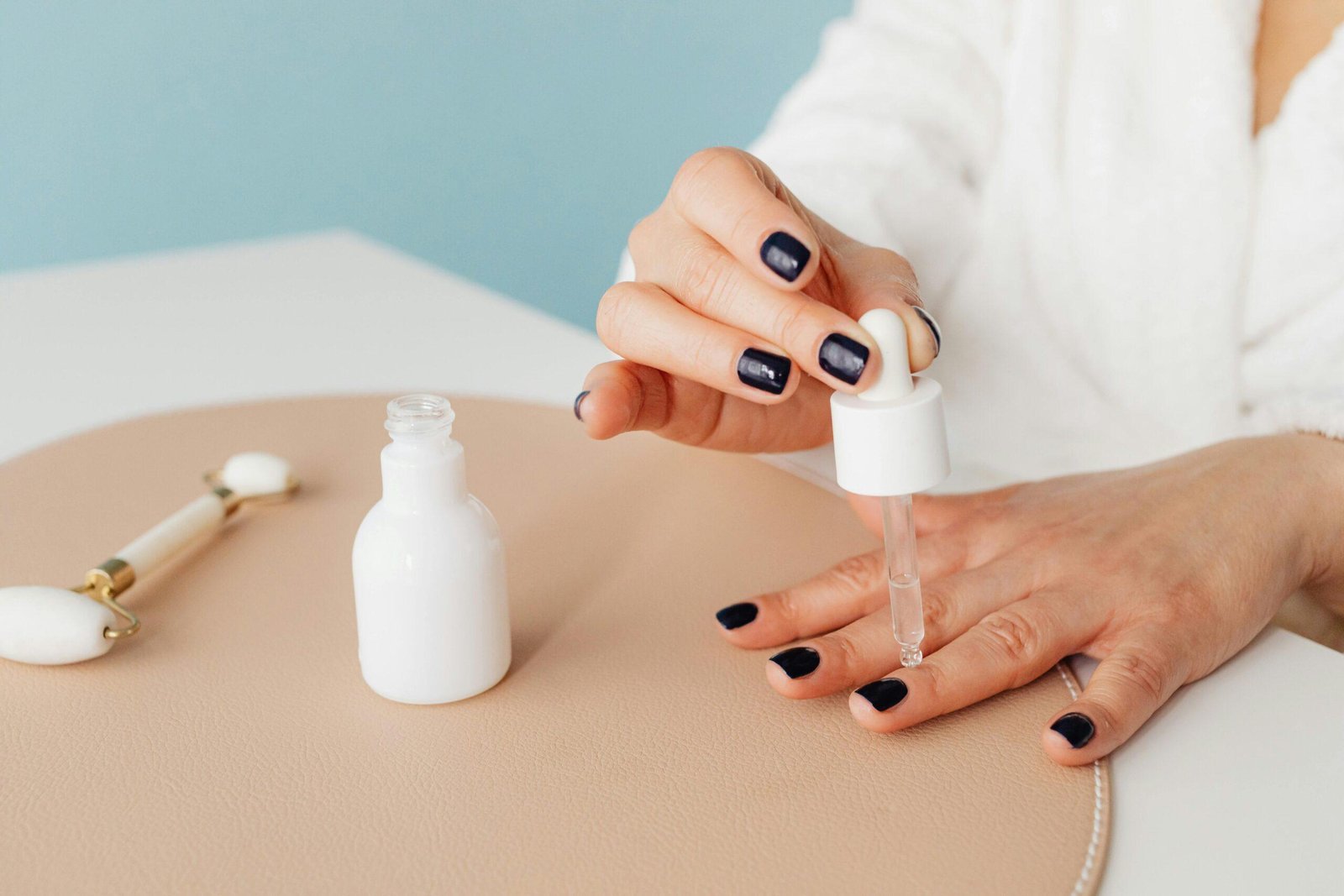
Step 1: Choose Wisely
Not all oils are created equal. Look for cold-pressed, unrefined options like rosehip seed oil or argan oil. They retain their full nutrient profile without added preservatives.
Step 2: Spot Test Before Committing
Optimist You: “This will rejuvenate my skin!”
Grumpy Me: “First, dab it behind your ear to check if you’re allergic.”
Step 3: Apply After Cleansing
Seriously, timing matters. Once your face is clean but still damp, massage two drops onto target areas.
Step 4: Mix Into Other Products (Optional)
If heavy creams feel too much, mix a drop of jojoba oil into your moisturizer for an instant upgrade.
5 Tips to Get the Most Out of Organic Oils
- Know Your Skin Type: For oily skin, grapeseed oil works wonders due to its light texture (Healthline backs this up).
- Store Properly: Keep oils away from sunlight to preserve potency.
- DIY Masks: Blend coconut oil with turmeric for a soothing mask.
- Avoid Overdoing It: One or two drops go a long way. Don’t drown yourself!
- Pet Peeve Alert: Avoid oils labeled “fragrance-free” if they contain synthetic additives. That’s just sneaky marketing.
Real Talk: A Success Story

Jamie, a former skeptic, shares her journey: “After switching to marula oil during winter, my eczema calmed down within weeks. No steroids, no weird side effects—just healthy fats doing their thing.” Her tip? Start small and be consistent.
FAQs About Using Organic Oils
Q: Can I use cooking oils on my skin?
Absolutely not. Cooking oils aren’t refined for topical application and could clog pores.
Q: Will organic oils make my skin greasy?
Nope, lighter oils absorb quickly. Pro tip: Press rather than rub.
Q: Are organic oils safe for sensitive skin?
Mostly yes, but always do a patch test first. Even natural ingredients can irritate!
Conclusion
So there you go—the truth about healthy fats and why organic oils deserve a spot in your skincare arsenal. Whether you’re battling dryness, dullness, or sensitivity, these golden wonders deliver serious benefits.
To recap:
- Healthy fats maintain skin elasticity and hydration.
- Organic oils provide natural nourishment free from toxins.
- The key lies in choosing wisely and starting slow.
And remember, consistency is queen in the world of skincare. Now go glow naturally!
*Cue throwback vibes*: Like your retro Tamagotchi, healthy fats need tender loving care to thrive.