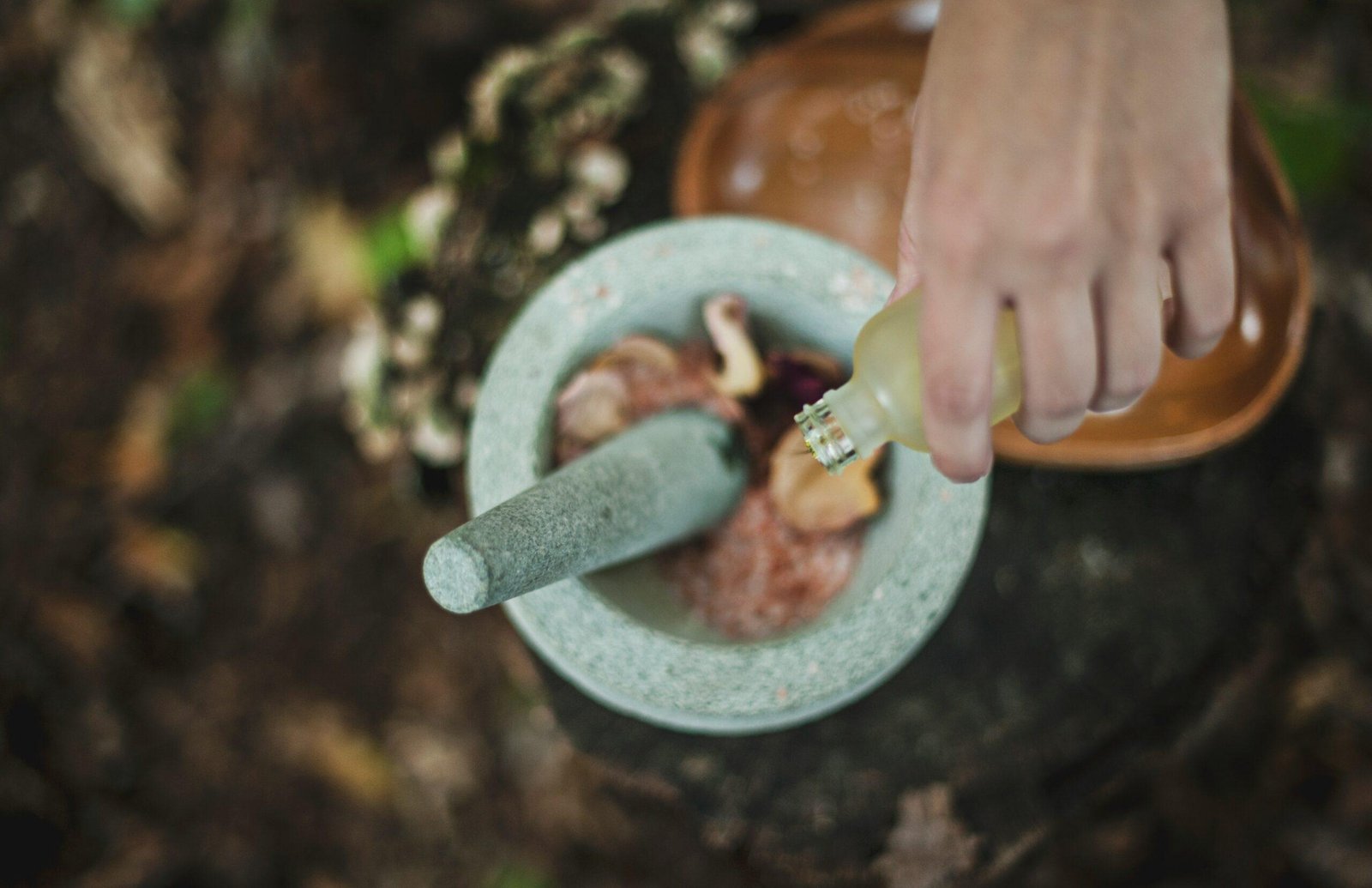
Have you ever stared at a shelf full of skincare products and wondered, “What’s REALLY making my skin glow?” Spoiler alert: it’s probably herbal extracts. Yes, those tiny, unassuming ingredients are behind some of the biggest transformations in organic and natural beauty routines.
If you’re curious about how herbal extracts can take your skincare game to the next level—or why they’re showing up everywhere in organic oils—stick around. By the end of this post, you’ll discover why these plant-powered wonders might just be your skin’s new BFF. Plus, we’ll cover:
- What exactly herbal extracts are (and no, they’re not the same as essential oils).
- How to use them safely in your routine.
- Real-life success stories (spoiler: glowing results ahead).
Table of Contents
- Key Takeaways on Herbal Extracts
- Why Herbal Extracts Matter in Organic Beauty
- Step-by-Step Guide: Using Herbal Extracts Safely
- Best Practices for Incorporating Herbal Extracts Into Your Regimen
- Success Stories: The Glow-Up Powered by Herbal Extracts
- FAQs About Herbal Extracts
Key Takeaways on Herbal Extracts
- Herbal extracts are concentrated plant compounds known for their potent antioxidant, anti-inflammatory, and hydrating properties.
- They work especially well when paired with organic oils like jojoba, argan, or rosehip oil.
- Using too much or applying improperly can irritate sensitive skin—so follow best practices!
Why Herbal Extracts Matter in Organic Beauty
Let me confess something embarrassing—I once tried mixing lemon juice directly onto my face because someone online said it was “natural.” (Spoiler: Don’t do that unless you want redness stronger than a summer sunburn.) Lesson learned: not all-natural equals good-for-your-skin. And that brings us to herbal extracts.
Unlike random kitchen experiments gone wrong, herbal extracts are carefully crafted from plants using methods like steam distillation or cold-pressing. This ensures only the beneficial parts of the plant make it into the final product. Think chamomile for soothing irritated skin or calendula for calming inflammation—it’s science-backed magic bottled up neatly.

Optimist You:
“So adding herbal extracts means I’ll wake up looking like a dewy angel, right?”
Grumpy Me:
“Eh, maybe. But only if you patch-test first AND use them consistently!”
Step-by-Step Guide: Using Herbal Extracts Safely
Ready to incorporate herbal extracts into your regimen? Here’s how:
Step 1: Choose the Right Carrier Oil
Most herbal extracts come highly concentrated, so blend them with gentle carrier oils like coconut or almond oil. Trust me; slapping pure extract straight on your skin is asking for trouble.
Step 2: Patch Test Like It’s Your Job
Before going full-face, test a small amount behind your ear or wrist. Wait 24 hours—no irritation? You’re golden.
Step 3: Start Small
A little goes a long way. A drop or two mixed with carrier oil should suffice. Pro tip: Keep a notebook tracking what combinations work best for your skin type.
Best Practices for Incorporating Herbal Extracts Into Your Regimen
- Know Your Skin Type: If you’re oily-prone, opt for lighter oils like grapeseed combined with green tea extract.
- Use Overnight: Many people see better results applying treatments at night since our skin regenerates while we sleep.
- Layer Wisely: Apply serums BEFORE moisturizers, folks. Otherwise, absorption = fail city.
Success Stories: The Glow-Up Powered by Herbal Extracts
Take Sarah, a busy mom who switched her entire routine to include organic oils infused with lavender and tea tree extracts. Within weeks, her acne cleared, and she even stopped needing concealer under her eyes. Or Emily, whose dry winter skin finally felt hydrated after introducing calendula-infused almond oil nightly.

FAQs About Herbal Extracts
Are herbal extracts safe for sensitive skin?
In most cases, yes—but always start slow and patch-test. If irritation occurs, stop using immediately.
Can I DIY herbal extracts?
Technically, yes, but leave this one to the pros unless you’re confident in your chemistry skills. Bad math could lead to ineffective (or harmful) concoctions.
Do they expire?
Yes, so check expiration dates. Most last around six months once opened, but refrigeration may extend that slightly.
Rant Corner: Marketing Shenanigans Ruin Everything
Okay, real talk: companies love throwing around terms like “herbal” without actually clarifying what percentage of herbs they’re using. One product I picked up claimed to contain witch hazel extract… until I read fine print revealing it had ONE DROP per bottle. Grrr.
Conclusion
Herbal extracts aren’t just another overhyped ingredient—they’re the unsung heroes transforming organic beauty routines worldwide. By understanding how to choose, apply, and integrate them safely, you can unlock their full potential for healthier, happier skin. So go ahead—dabble responsibly!
And remember…
Skin glows bright,
Herbs hold the key,
Nature's gift—just let it bee. 🐝✨
Like a Tamagotchi, your skincare needs daily care—and herbal extracts are here to help.