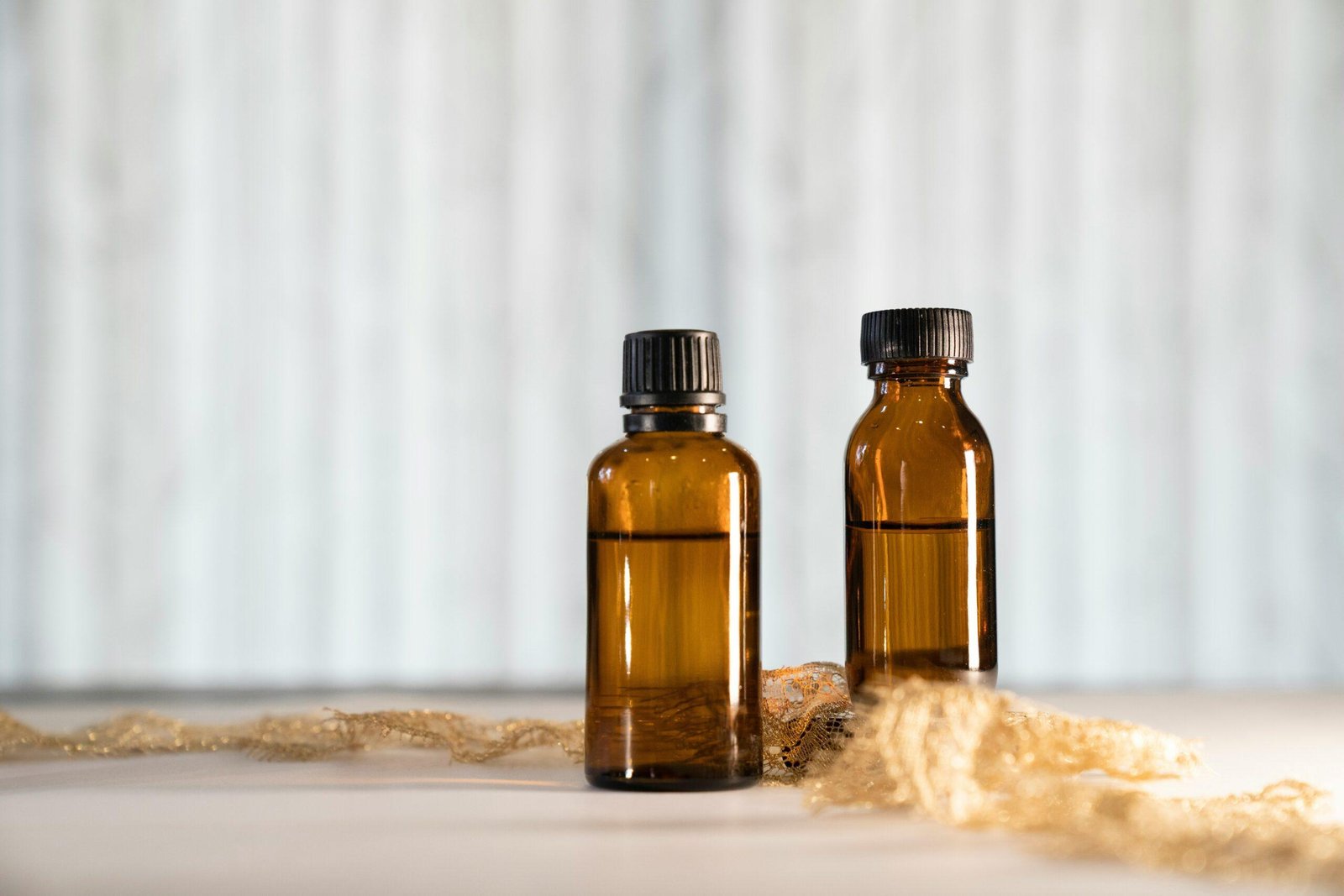
“Why does my skin feel like a desert when I’m using products labeled ‘hydrating’?” If you’ve ever muttered this under your breath after yet another disappointing skincare product, know that you’re not alone. The beauty world can be overwhelming—especially when you’re trying to go natural without sacrificing results.
Good news? There’s a simple, plant-based solution sitting right under your nose: essential oils for skin. These tiny bottles of botanical power are taking the organic beauty world by storm. From soothing irritated skin to delivering deep hydration, essential oils might just be the secret weapon your skincare routine is missing.
In this blog post, we’ll uncover why essential oils for skin work, how to use them safely, and even provide tips to avoid common mistakes most beginners make. Ready to glow naturally? Let’s dive in!
Table of Contents
- Key Takeaways
- The Problem with Conventional Skincare
- How to Safely Use Essential Oils for Skin
- Best Practices for Incorporating Essential Oils
- Success Stories from Real Users
- FAQs About Essential Oils for Skin
- Conclusion
Key Takeaways
- Essential oils are packed with antioxidants and anti-inflammatory properties that benefit various skin types.
- Always dilute essential oils with carrier oils before applying them directly on the skin.
- Patch test new oils to prevent allergic reactions or irritation.
- Overusing essential oils can lead to irritation—less is more.
Why Your Skincare Shelf Needs a Natural Upgrade
I once bought an expensive face lotion promising “radiant skin”… only to find out it contained synthetic fragrances that left me breaking out worse than my high school years. Yeah, cringe-worthy. So many mainstream skincare products claim to be natural but sneak in questionable chemicals that irritate sensitive skin.
This is where organic oils shine. Here’s why they matter:
- No Synthetic Additives: Pure essential oils don’t have artificial dyes or harmful preservatives.
- Multipurpose Benefits: A single oil can moisturize, soothe redness, and balance oil production.
- Sustainable & Eco-Friendly: Many brands ethically source their ingredients, supporting sustainable farming practices.
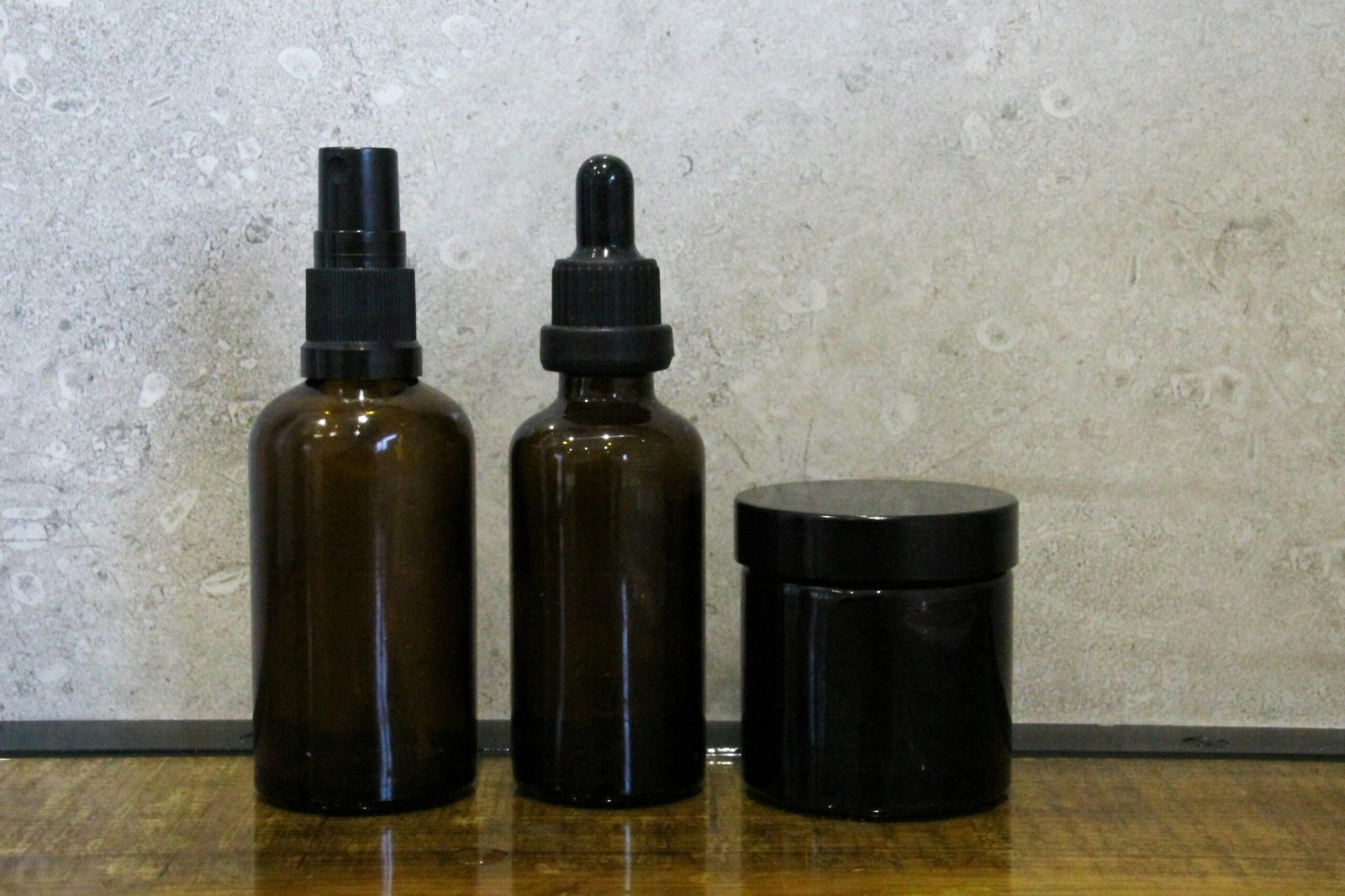
Pro Tip: When shopping, look for USDA Certified Organic labels to ensure purity.
How to Safely Use Essential Oils for Skin
Okay, let’s get real for a second. While essential oils sound amazing (and trust me, they are), slapping lavender oil straight onto your face is about as effective—and smart—as eating raw cookie dough. Spoiler alert: You’ll regret it later.
Here’s how to avoid turning your skin into a hot mess:
Step 1: Choose the Right Carrier Oil
Carrier oils like jojoba, almond, or coconut oil dilute essential oils while nourishing your skin. They act as the “delivery system” so essential oils do their job without causing irritation.
Step 2: Dilution Ratios Matter
Aim for these ratios:
- Face: 1-2 drops of essential oil per teaspoon of carrier oil.
- Body: 5-7 drops per tablespoon of carrier oil.
Step 3: Always Patch Test First
Optimist You:* “These oils smell so divine—they *have* to work!”
Grumpy You:* “Hold up, patch tester.”*
Apply a small amount behind your ear or wrist, wait 24 hours, and check for redness or itchiness before going full-face.
BEST TIPS AND TRICKS FOR USING ESSENTIAL OILS SAFELY
If I had one terrible tip to share, it’d be this:
Terrifically Terrible Tip:
Don’t skip dilution because “it smells mild enough.” Nope, nope, NOPE. Some oils, like tea tree or oregano, might seem gentle but still pack a potent punch and will burn if used undiluted.
Now, here are some legit best practices:
- Know Your Skin Type: Tea tree oil for acne-prone skin; rosehip or chamomile oil for sensitive skin.
- Less Is More: Overapplication leads to sensitivity—not fun during daylight hours.
- Mix It Up: Combine oils like frankincense (anti-aging) and geranium (balancing) for ultra-customized care.
Real Results: Meet Sarah and Her Glow-Up Story
Sarah, a busy mom juggling work-life chaos, discovered essential oils after struggling with hormonal breakouts every month. Enter tea tree oil mixed with sweet almond oil—an affordable miracle duo! After weeks of consistent use, her complexion cleared up noticeably. No wonder she calls herself #TeaTreeGlowQueen now.

Frequently Asked Questions About Essential Oils for Skin
Q: Can essential oils help with aging?
Absolutely! Frankincense and neroli oils are rich in antioxidants, helping reduce fine lines and wrinkles over time.
Q: How long does it take to see results?
You may notice immediate hydration benefits, but long-term changes usually appear around 4-6 weeks of regular use.
Q: Are there any oils to avoid?
Certain oils like cinnamon bark or clove can cause severe irritation if improperly applied. Stick to beginner-friendly options like lavender or chamomile.
Final Thoughts
Naturally glowing skin doesn’t need a $50 serum covered in unpronounceable ingredients—it needs essentials… literally! With proper care and usage, essential oils for skin can become your ultimate go-to in creating a personalized, chemical-free beauty regimen.
Remember, consistency and patience are key—even the best oils won’t transform overnight. But stick with it? Chef’s kiss for sure.
P.S. Like a Tamagotchi, your skincare deserves daily attention and love. Feed it right!