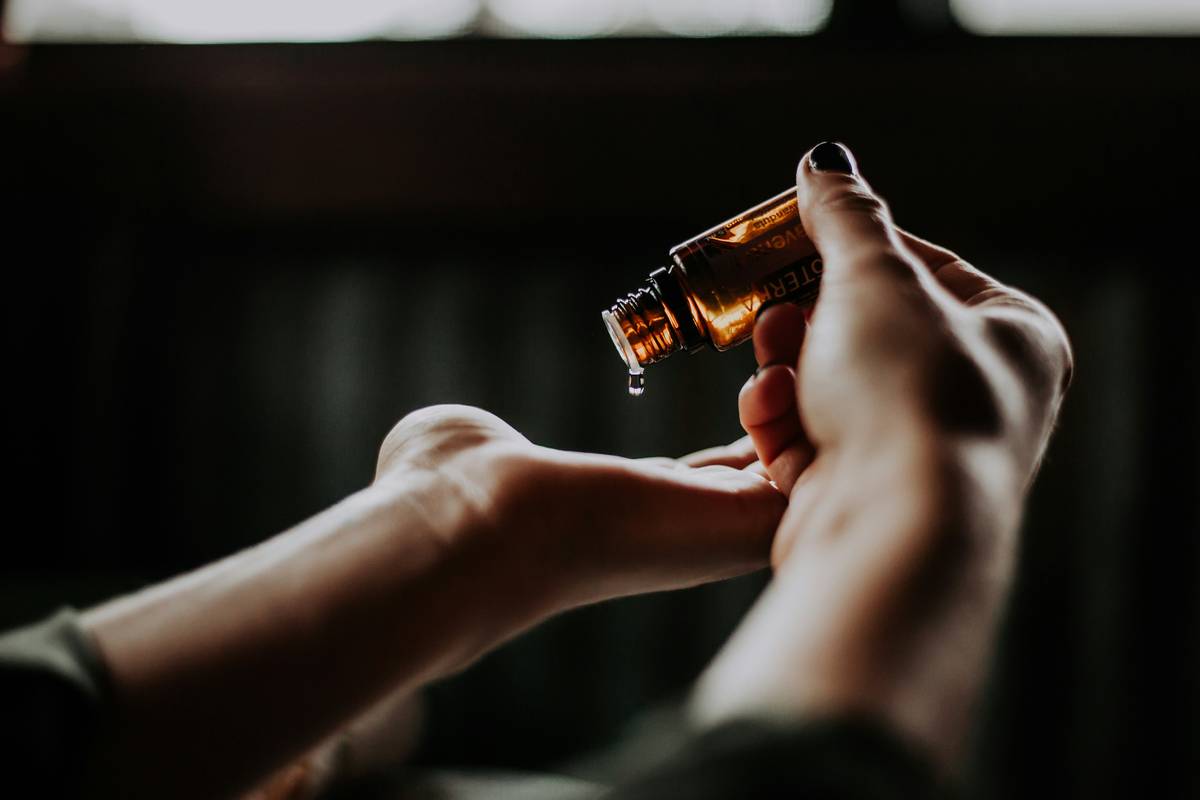
Dry, irritated, or dull skin? You’ve slathered on serums, cycled through “clean” moisturizers, maybe even tried DIY concoctions that left your face greasy or inflamed. The market’s flooded with products claiming “natural” benefits—but few deliver real nourishment. Here’s the fix: organic oil for skin used the right way. Not as a trendy add-on, but as a foundational layer your barrier actually recognizes.
Conventional Skincare Is Starving Your Skin Barrier
Most commercial moisturizers rely on silicones, synthetic emulsifiers, and mineral oils—they sit *on* your skin, not *in* it. They create a temporary illusion of hydration while suffocating pores and disrupting lipid balance.
And “natural” labels? Often meaningless. A product can be 95% water and still boast “aloe vera” in fine print. Real nourishment requires bioavailable lipids—exactly what cold-pressed, unrefined organic oils offer.
But—and this is critical—not all oils behave the same. Slathering on coconut oil (comedogenic rating: 4) might soothe your elbows but trigger chin acne. You need precision, not just purity.
How to Choose and Use organic oil for skin Like a Dermatologist
Pick oils based on skin type, extraction method, and fatty acid profile—not Instagram hype.
Oils for Sensitive or Reactive Skin
Go for high linoleic acid content: think evening primrose or grapeseed oil. They calm inflammation without clogging pores. Always patch-test first—yes, even if it’s “natural.”
Oils for Mature or Dry Skin
Seek oleic acid-rich oils like avocado or marula. They mimic sebum, reinforcing your lipid barrier over time. Apply to damp skin—this traps water beneath the oil layer, doubling hydration.
Oils for Oily or Acne-Prone Skin
Counterintuitive but true: stripping oil worsens breakouts. Lightweight, non-comedogenic options like jojoba (technically a wax ester) regulate sebum production. Use 2–3 drops post-cleansing, pre-serum.

| Oil Type | Best For | Comedogenic Rating | Average Cost (per oz) |
|---|---|---|---|
| Jojoba Oil | Oily, acne-prone | 2 | $8–$12 |
| Rosehip Seed Oil | Scarring, aging | 1 | $10–$16 |
| Argan Oil | Dry, sensitive | 0 | $12–$20 |
| Coconut Oil (Unrefined) | Body only (not face!) | 4 | $5–$9 |

The Supplier Secret They Don’t Want You to Know
Here’s what no brand will tell you: “Organic” certification doesn’t guarantee freshness. Many bulk suppliers store oils for 12+ months before bottling—exposing them to light and oxygen that degrade antioxidants and essential fatty acids.
Real potency hinges on turnaround time. Ask small-batch brands: “When was this oil pressed?” If they can’t give you a harvest date within 6 months, walk away. Oxidized oils don’t just lose efficacy—they become pro-inflammatory.
I once tested two “organic rosehip oils” side-by-side: one pressed 3 weeks prior, another sitting in a warehouse for 11 months. The fresh batch reduced redness in 5 days. The old one? Caused micro-breakouts. The math is simple: organic + fresh = functional.
Frequently Asked Questions
Can I use organic oil for skin if I have acne?
Yes—if you choose non-comedogenic oils like jojoba or squalane. Avoid coconut and wheat germ oil. Start with 2 drops nightly after cleansing.
Should I apply organic oil before or after moisturizer?
After water-based serums, before heavier creams. On damp skin, it seals in hydration. For oily types, it can replace moisturizer entirely.
How long does organic oil for skin last once opened?
Most unrefined oils oxidize within 6–12 months. Store in dark glass, away from heat. Toss if it smells rancid (like old nuts or crayons).