Most “natural” skincare routines are clogged with overhyped oils that do little more than sit on your skin. You’ve tried jojoba. You’ve slathered on rosehip. Yet your pores still look congested, your T-zone shiny by noon, and your barrier… well, it’s fragile. The problem isn’t your commitment—it’s your ingredient list. Enter hazelnut skincare: lightweight, non-comedogenic, and packed with antioxidants most brands ignore because it’s too cheap to markup.
Why mainstream natural oils keep failing sensitive and oily skin types
Jojoba mimics sebum—great in theory. But for acne-prone or combination skin, it often backfires by signaling your skin to produce even more oil. Argan oil? Luxurious, yes—but heavy. It sits like a greasy veil rather than absorbing. And don’t get me started on coconut oil masquerading as “natural” while clogging pores faster than you can say comedogenic.
Hazelnut oil sidesteps all this. Cold-pressed from roasted nuts, it’s high in oleic and linoleic acids—ideal for balancing sebum without suffocating the skin. Yet most big brands skip it. Why? Margins. Hazelnut oil costs less than $15 per liter wholesale. Hard to spin that into a $68 “luxury elixir.”
Your step-by-step guide to using hazelnut skincare effectively
Choose cold-pressed, unrefined oil only
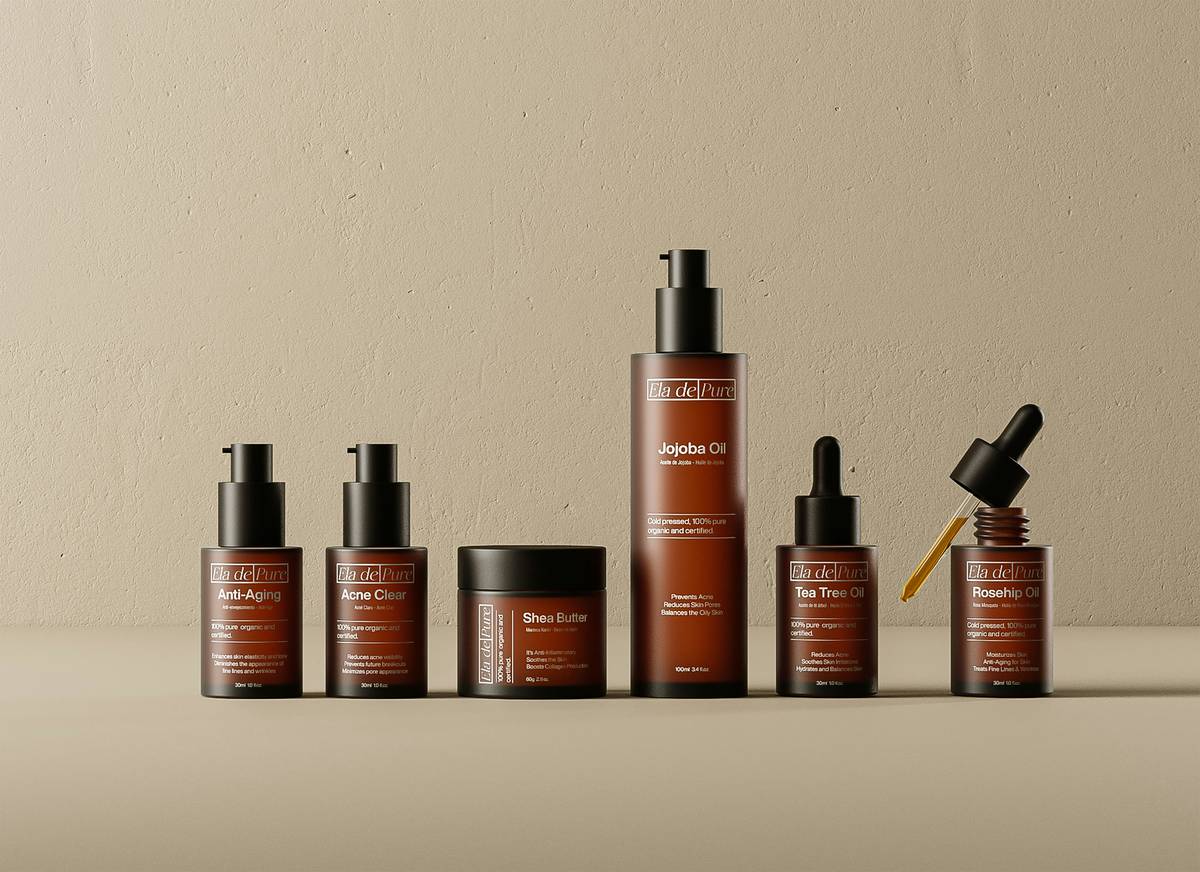
Refined versions lose their vitamin E and phytosterols during processing. Look for dark glass bottles and a faint nutty aroma—never odorless. That means it’s been stripped.
Apply to damp skin for barrier repair
Never layer pure oil on dry skin. Mist first. Then press 3–4 drops of hazelnut oil into your cheeks and forehead. Its light texture absorbs in under 60 seconds—no greasy residue.
Blend with actives for enhanced delivery
Hazelnut oil’s molecular structure carries water-soluble ingredients deeper. Mix one drop with your vitamin C serum or niacinamide toner. The result? Better penetration, fewer irritants sitting on the surface.
| Oil Type | Comedogenic Rating | Absorption Speed | Best For |
|---|---|---|---|
| Hazelnut oil | 2 | Fast (under 1 min) | Oily, combination, acne-prone |
| Jojoba oil | 2 | Moderate | Normal to dry |
| Coconut oil | 4 | Slow | Dry body skin only |
| Argan oil | 0 | Slow to moderate | Dry, mature skin |

The industry secret: hazelnut oil stabilizes formulations naturally
Here’s what formulators won’t tell you: hazelnut oil extends shelf life. Its natural tocopherols act as preservatives—reducing reliance on synthetic parabens or phenoxyethanol. Small indie labs use it to keep products fresh for 12+ months without refrigeration. Big beauty avoids it because stable, long-lasting natural oils undermine their “buy new every 3 months” revenue model. Think about it: if your $40 serum lasted a year, would you repurchase as often?
And yes—it works synergistically with green tea extract and bakuchiol. A combo few advertise, but quietly appears in clinical trials for reducing redness in rosacea. The math is simple: fewer irritants + better stability = calmer skin.
Frequently Asked Questions
Is hazelnut skincare safe for acne-prone skin?
Yes. With a comedogenic rating of 2 and fast absorption, it rarely clogs pores—unlike heavier oils. Patch test first if you’re allergy-prone.
Can I use hazelnut oil around my eyes?
Absolutely. Its anti-inflammatory properties soothe puffiness. Use half a drop, gently patted with ring finger.
Does hazelnut skincare expire quickly?
No. Thanks to natural antioxidants, it lasts 12–18 months when stored in a cool, dark place—longer than most plant oils.