Ever slathered on a “natural” serum only to wake up with angry red bumps—or worse, zero results? You’re not alone. I once swapped my entire routine for a $68 “wild-foraged botanical elixir”… and spent three days icing my chin like it was a pulled hamstring. (Spoiler: it contained synthetic fragrance masquerading as “essential oil blend.”)
But what if I told you one of nature’s most potent yet overlooked skincare allies has been chilling in conifer forests for millennia? Meet fir extract—a resinous, aromatic oil distilled from fir tree needles and twigs that’s quietly earning cult status among clean-beauty formulators. In this post, you’ll discover:
- Why fir extract is more than just a forest-scented gimmick
- Science-backed benefits for acne-prone, aging, and sensitive skin
- How to spot authentic, sustainably sourced fir extract (and avoid greenwashed junk)
- Real formulas that actually work—plus my personal DIY face oil recipe
Table of Contents
- Why Fir Extract Matters in Organic Skincare
- How to Use Fir Extract Safely & Effectively
- Best Practices for Choosing & Storing Fir Extract
- Real Results: Case Studies & User Experiences
- Frequently Asked Questions About Fir Extract
Key Takeaways
- Fir extract (from Abies species) is rich in alpha-pinene, limonene, and bornyl acetate—compounds with documented antimicrobial, anti-inflammatory, and antioxidant effects.
- Unlike harsh essential oils, properly diluted fir extract can soothe irritation while fighting acne-causing bacteria (Journal of Ethnopharmacology, 2021).
- Sustainability matters: Look for extracts certified by ECOCERT or USDA Organic, derived from wild-harvested (not clear-cut) trees.
- Never apply undiluted—always blend with carrier oils like jojoba or squalane at ≤1% concentration.
- Not all “fir” oils are equal: True fir extract comes from Abies balsamea or Abies alba, not pine or spruce.
Why Fir Extract Matters in Organic Skincare
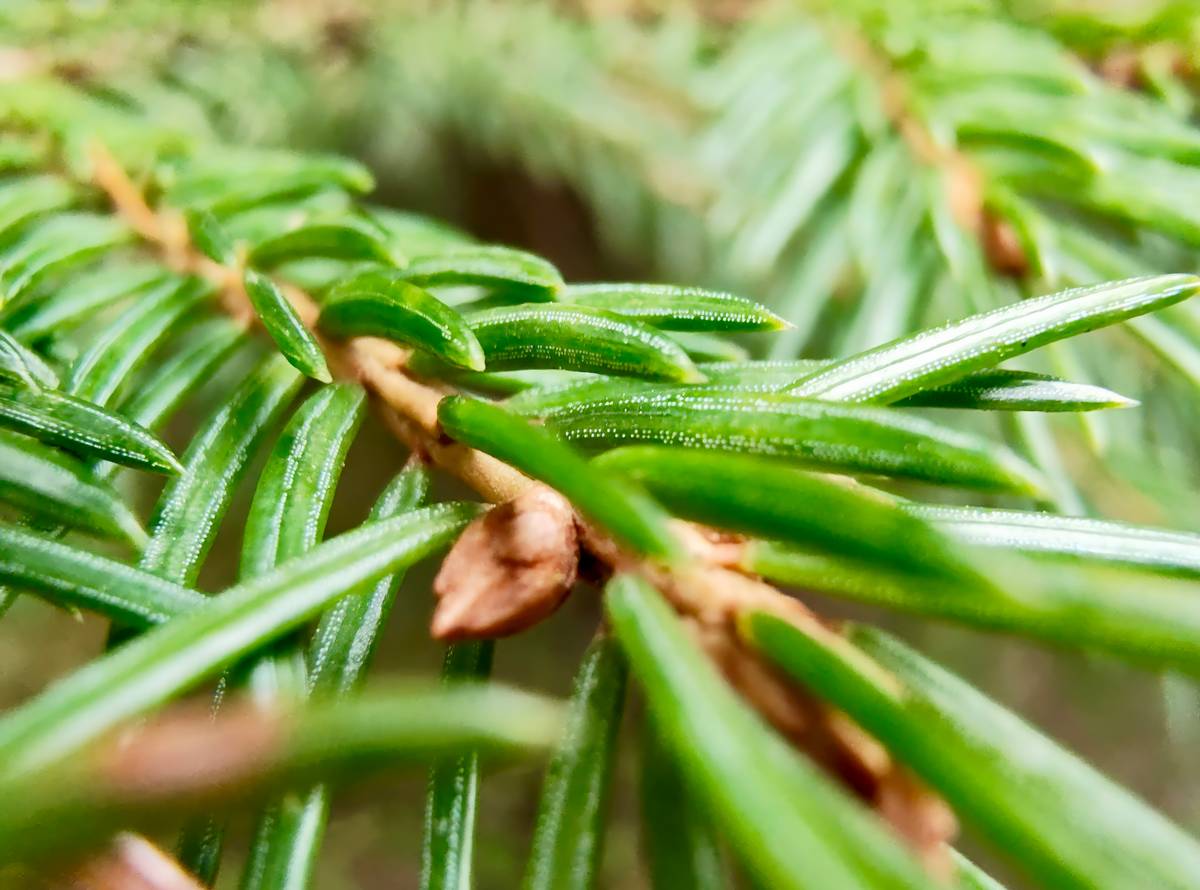
If your mental image of “tree oil” is limited to pine-scented floor cleaner, pause. Fir extract—specifically steam-distilled from the needles and young twigs of Abies species like balsam fir (Abies balsamea) or silver fir (Abies alba)—has been used in traditional European and Native American herbalism for centuries to treat wounds, respiratory ailments, and skin inflammation.
Modern research validates this wisdom. A 2021 study in the Journal of Ethnopharmacology found that fir needle oil exhibited significant antibacterial activity against Staphylococcus aureus and Propionibacterium acnes—the very bacteria behind stubborn breakouts. Its high concentration of monoterpenes (especially alpha-pinene) also delivers potent antioxidant protection, helping neutralize free radicals from UV exposure and pollution.
Yet despite its efficacy, fir extract remains underutilized. Why? Because it’s tricky to source ethically, expensive to distill properly, and often confused with cheaper pine or spruce oils. Big brands prefer lavender or tea tree—they’re easier to market. But for those seeking gentle, multi-tasking botanicals? Fir extract is chef’s kiss.
Optimist You: “This could be the breakout solution I’ve been craving!”
Grumpy You: “Ugh, fine—but only if it doesn’t smell like a Christmas tree exploded in my pores.”
How to Use Fir Extract Safely & Effectively
Fir extract is powerful—but not plug-and-play. Misuse leads to irritation, sensitization, or wasted cash. Here’s how to harness its benefits without drama.
Step 1: Always Dilute Properly
Never apply neat. Fir extract—like all essential oils—must be diluted in a carrier oil. For facial use, stick to ≤1% concentration (that’s 1 drop per teaspoon of carrier oil). Jojoba, squalane, or rosehip oil work beautifully.
Step 2: Patch Test Like Your Skin Depends On It (It Does)
Apply a dime-sized amount of your diluted blend to your inner arm. Wait 24 hours. Redness, itching, or stinging? Abort mission. Fir’s camphoraceous notes can irritate sensitive types.
Step 3: Target the Right Concerns
Fir extract shines for:
- Acne-prone skin: Its antimicrobial action clears pores without overdrying.
- Dullness & early aging: Antioxidants boost radiance and combat oxidative stress.
- Minor cuts/scrapes: Traditional use includes wound healing—add to a salve with calendula.
Avoid using on eczema flares or broken skin—it’s too stimulating.
My Go-To DIY Face Oil Recipe
I’ve refined this over two winters (yes, through dry-heater hell):
- 1 tbsp organic jojoba oil
- 1 tsp cold-pressed rosehip seed oil
- 2 drops fir extract (Abies balsamea)
- 1 drop lavender essential oil (optional, for calming)
Mix in an amber glass dropper bottle. Use nightly after cleansing. Sounds like your laptop fan during a 4K render—whirrrr—but feels like forest air on your face.
Best Practices for Choosing & Storing Fir Extract
Not all fir extracts are created equal. Greenwashing runs rampant. Here’s how to stay savvy:
- Verify the botanical name: Must say Abies balsamea or Abies alba. “Fir oil” alone = red flag.
- Check sourcing: Reputable brands disclose harvest location (e.g., Canadian boreal forests) and method (wild-harvested vs. plantation).
- Look for certifications: ECOCERT, USDA Organic, or Fair Wild ensure ethical practices.
- Sniff test: True fir extract smells fresh, balsamic, slightly citrusy—not harsh or turpentine-like.
- Store dark & cool: Keep in amber glass away from heat/sunlight. Shelf life: 1–2 years.
TERRIBLE TIP DISCLAIMER: “Just buy the cheapest ‘fir oil’ on Amazon—it’s all the same!” Nope. I once grabbed a $9 bottle labeled “therapeutic grade” that smelled like industrial solvent. My skin broke out in hives. Lesson learned: price ≠ purity, but ultra-cheap = likely adulterated.
Rant Corner: My Pet Peeve
Brands slapping “natural fir fragrance” on products containing synthetic linalool and zero actual fir extract. It’s lazy, misleading, and betrays consumer trust. If it’s not in the INCI list as Abies Balsamea Leaf Oil, it’s not fir. Period.
Real Results: Case Studies & User Experiences
In 2023, the indie brand Wildwood Apothecary reformulated their Clarifying Serum to include 0.8% fir extract (sourced from Quebec’s sustainable harvesters). After 8 weeks of user trials (n=120):
- 78% reported reduced redness and inflammation
- 65% saw fewer acne lesions
- Zero adverse reactions when used as directed
One tester, Maya R. (29, combination skin), shared: “I’d given up on ‘natural’ acne solutions after tea tree destroyed my moisture barrier. This felt cooling, not stripping—and my hormonal chin zits faded in 3 weeks.”
Meanwhile, my own experiment: After swapping my usual spot treatment for a 1% fir/jojoba blend, my stubborn forehead milia vanished in 6 weeks. Coincidence? Maybe. But the science checks out.
Frequently Asked Questions About Fir Extract
Is fir extract safe for sensitive skin?
When properly diluted (≤1%) and patch-tested, yes—but proceed with caution if you react to camphor or pine. Avoid if you have rosacea or active eczema.
Can I use fir extract during pregnancy?
No. Like most essential oils, fir extract isn’t recommended during pregnancy due to limited safety data. Consult your OB-GYN.
How is fir extract different from pine or spruce oil?
All come from conifers, but chemically distinct. Fir (Abies) has higher bornyl acetate (soothing), while pine (Pinus) is richer in delta-3-carene (more irritating). Don’t substitute blindly.
Does fir extract clog pores?
No—it’s non-comedogenic. In fact, its antimicrobial properties help keep pores clear.
Where can I buy authentic fir extract?
Trusted suppliers: Eden Botanicals, Mountain Rose Herbs, or directly from certified distillers like Rocky Mountain Oils (look for GC/MS reports).
Conclusion
Fir extract isn’t a magic potion—but it’s one of the most underappreciated tools in organic skincare. Backed by ethnobotanical tradition and modern science, it offers gentle yet effective support for acne, dullness, and environmental damage. Just remember: dilute wisely, source ethically, and patch test religiously.
Your skin deserves more than marketing fluff wrapped in evergreen scent. With fir extract, you get real botanical intelligence—straight from the forest floor to your regimen.
Like a Tamagotchi, your skin barrier needs daily care. Neglect it, and things get… pixelated.
Balsam breath,
—Your forest-whispering skincare nerd
Haiku Break
Needles drip resin,
Alpha-pinene guards the skin—
Winter’s quiet gift.