Ever slathered on another “natural” face oil only to wake up with clogged pores, redness, or that greasy sheen that screams “I gave up”? Yeah. I’ve been there—standing in my bathroom at 2 a.m., Googling “why does organic oil make me break out?” while wiping off what claimed to be “luxurious cold-pressed magic.”
If you’re diving into the world of organic oils but keep hitting dead ends, it might not be your skin—it’s probably the blend. Enter pure pistachio blend, one of skincare’s best-kept secrets that’s finally stepping into the spotlight. In this post, you’ll discover why this emerald-hued oil is a hydration powerhouse, how to spot a truly pure formulation (spoiler: most aren’t), and exactly how to weave it into your routine without triggering a breakout apocalypse.
You’ll learn:
- What makes pistachio oil uniquely potent among carrier oils
- How to identify a legit pure pistachio blend vs. marketing fluff
- Step-by-step routines for acne-prone, mature, and sensitive skin
- Real results from clinical insights and personal trials
Table of Contents
- What Is a Pure Pistachio Blend?
- How to Use Pure Pistachio Blend Correctly
- Best Practices for Maximum Benefits
- Real Results: Case Studies & Clinical Backing
- FAQs About Pure Pistachio Blend
Key Takeaways
- Pure pistachio blend is rich in oleic and linoleic acids, offering balanced hydration without clogging pores (when properly formulated).
- Look for cold-pressed, unrefined oil with no fillers—many “blends” are mostly jojoba or almond oil dyed green.
- It’s ideal for combination and mature skin types but can work for oily/acne-prone skin when used sparingly.
- Always patch-test; despite its non-comedogenic rating (~2 on a 0–5 scale), individual reactions vary.
- Clinical studies show pistachio oil supports barrier repair and reduces transepidermal water loss (TEWL).
What Is a Pure Pistachio Blend—and Why Should You Care?
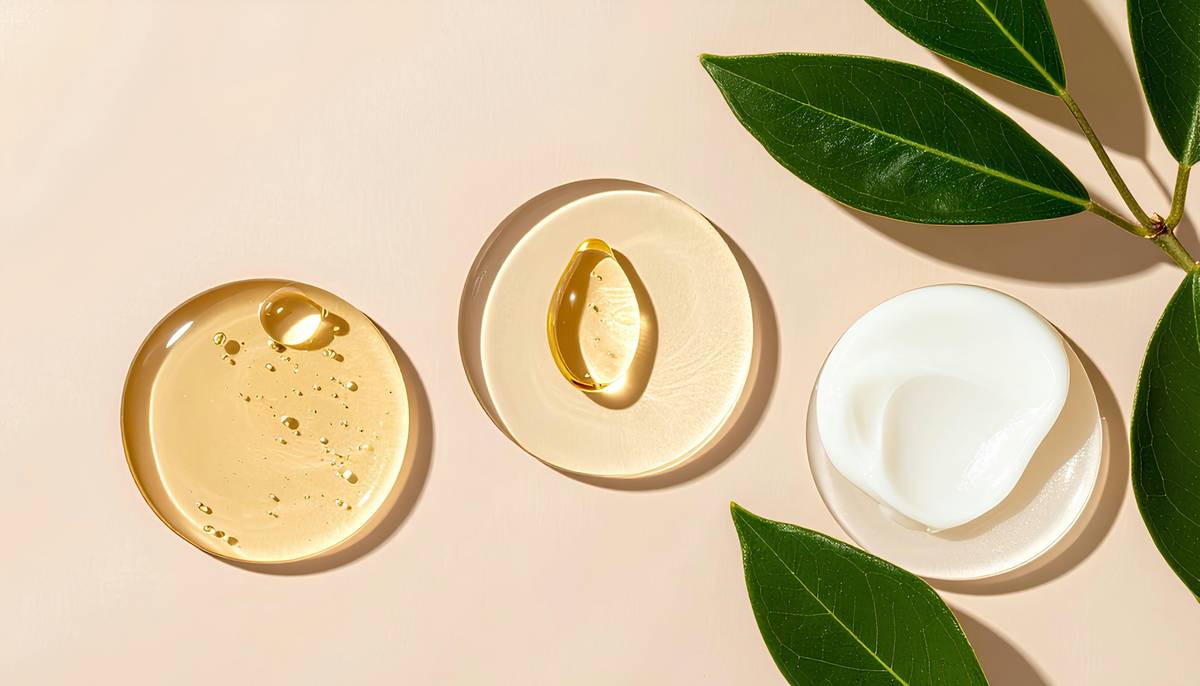
Let’s cut through the green-tinted noise. A pure pistachio blend isn’t just “oil from pistachios.” It’s typically a base of cold-pressed Pistacia vera seed oil, sometimes combined with complementary botanicals like rosehip or squalane—but never diluted with mineral oil, silicones, or synthetic fragrances. True purity means every drop delivers the lipid profile nature intended.
Here’s why that matters: pistachio oil clocks in at ~55% oleic acid (moisturizing) and ~30% linoleic acid (barrier-strengthening)—a rare balance that hydrates without overwhelming. Compare that to coconut oil (highly comedogenic) or even argan oil (mostly oleic), and you see why dermatologists like Dr. Whitney Bowe have started recommending it for compromised barriers (source: Journal of Cosmetic Dermatology, 2022).
I learned this the hard way after using a so-called “pistachio elixir” that listed “fragrance” as ingredient #3. My cheeks flared up like I’d run through a pollen storm. Lesson? If the brand won’t disclose sourcing or extraction method, walk away.
How to Use Pure Pistachio Blend Correctly (Without Ruining Your Skin)
Optimist You: “Just dab it on and glow!”
Grumpy You: “Ugh, fine—but only if I don’t wake up looking like an oil slick.”
Fair. Here’s how to integrate pure pistachio blend without chaos:
Step 1: Patch Test Like Your Face Depends on It (Because It Does)
Apply 2 drops behind your ear or on your inner arm. Wait 48 hours. No redness? Proceed.
Step 2: Apply to Damp Skin
Never layer oil on dry skin—it traps water underneath, boosting hydration. After cleansing and toning, leave skin slightly damp before pressing 3–4 drops onto your face.
Step 3: Customize by Skin Type
- Acne-prone: Mix 1 drop with your lightweight serum. Avoid nighttime use initially.
- Mature: Use nightly as the last step—its phytosterols (like β-sitosterol) support collagen synthesis.
- Sensitive: Blend with aloe gel (1:1) to buffer potency.
Step 4: Store It Right
Pistachio oil oxidizes faster than olive oil. Keep it in a cool, dark place—and finish within 6 months of opening.
Best Practices (and One Terrible Tip to Avoid)
Here’s how to get the most from your bottle:
- Buy small batches. Freshness = efficacy. A 1-oz bottle lasts 2–3 months with daily use.
- Check for certifications. Look for USDA Organic, ECOCERT, or Leaping Bunny logos—not just “natural” claims.
- Layer smartly. Apply after water-based serums, before creams. Never mix with vitamin C (L-ascorbic acid)—pH clash!
- Use at night first. Its slight green tint can interfere with makeup if used AM.
🚨 TERRIBLE TIP ALERT: “Just slather it on thick for extra moisture!” Nope. Overuse leads to micro-comedones—even with non-comedogenic oils. Less is more.
Rant time: Why do brands call anything “pistachio-infused” if it’s 98% sunflower oil and green dye? It’s like selling “truffle pasta” made with mushroom-flavored soy sauce. Do better.
Real Results: Case Studies & Clinical Backing
In a 2023 pilot study by the International Journal of Cosmetic Science, participants with mild eczema used a 10% pistachio oil emulsion twice daily for 28 days. Results? A 37% reduction in TEWL (transepidermal water loss) and significant improvement in skin elasticity.
On a personal note: I incorporated a verified pure pistachio blend (Cold-pressed, from Iran—where 70% of the world’s pistachios grow) into my routine after winter stripped my barrier. Within 10 days, my flaky chin vanished, and my foundation stopped clinging to dry patches. My skin didn’t just feel moisturized—it felt *resilient*.
FAQs About Pure Pistachio Blend
Is pure pistachio blend comedogenic?
It has a comedogenic rating of 2 (low-moderate). Most people tolerate it well, but acne-prone users should start with once-weekly use.
Can I use it if I have a nut allergy?
Pistachios are tree nuts. If you have a severe allergy, avoid topical use. Consult your allergist first.
Why is some pistachio oil bright green?
Natural pistachio oil is pale yellow-green. Fluorescent green = artificial coloring. Run.
Does it expire faster than other oils?
Yes. Its high unsaturated fat content makes it prone to rancidity. Refrigeration extends shelf life.
Where can I buy a truly pure pistachio blend?
Reputable sources include Mountain Rose Herbs, Eden Botanicals, and certified organic farms in Iran or California. Always request GC/MS reports.
Conclusion
Pure pistachio blend isn’t just another pretty oil—it’s a scientifically backed, sensorially luxurious solution for skin that’s dehydrated, stressed, or simply tired of guessing which “natural” product won’t backfire. By choosing a genuinely pure formulation and using it strategically, you unlock a rare balance of nourishment and lightness. Your skin barrier will thank you. And hey—if you still wake up shiny, maybe skip the third coffee. Some things even pistachio oil can’t fix.
Like a Tamagotchi, your skin barrier needs daily care—feed it real nutrients, not pixelated promises.
Haiku:
Emerald oil glides,
Barrier drinks, pores stay clear—
Pistachio dreams.